Parallel Worlds in the EU #devchallenge
This is a submission for the 2026 WeCoded Challenge: Frontend Art Live experience: https://codepen.io/editor/southy404/pen/019d10f4-ca7f-79b6-b36e-145496c7d2ba This is an interactive, scroll-driven experience that visualizes how two identical careers slowly diverge over time. Both individuals start
southy404
This is a submission for the 2026 WeCoded Challenge: Frontend Art
Show us your Art
This is an interactive, scroll-driven experience that visualizes how two identical careers slowly diverge over time.
Both individuals start with:
- the same education
- the same skills
- the same ambition
The only variable that changes is gender.
As you scroll, small differences compound into large outcomes - in salary, promotion speed, and visibility.
At any moment, you can toggle "Remove Bias" and watch both paths instantly align again.
Inspiration
When I thought about gender equity in tech, I didn’t want to create a static illustration.
I wanted to show something more uncomfortable:
That inequality doesn’t always appear as a single dramatic moment - it emerges slowly, through accumulation.
The concept behind Parallel Worlds is simple:
- no single event explains the gap
- but every small difference contributes to it
The "glass ceiling" is not just one barrier.
It’s a system of subtle frictions:
- slightly lower starting offers
- delayed promotions
- different feedback language
- fewer high-visibility opportunities
Individually, these seem small.
Together, they reshape entire careers.
That’s why the project includes an interactive "Remove Bias" toggle.
When activated, the system removes these frictions - and suddenly:
The trajectories become identical again.
The message is simple:
The difference was never talent.
Data & Context
This piece is grounded in real-world data from the EU:
- 11.1% average gender pay gap in the EU (Eurostat, 2024)
- 19.5% women among ICT specialists
- 35.3% women in management roles
- 81 women for every 100 men promoted to first-level management (McKinsey)
The goal wasn’t to simulate reality perfectly,
but to translate these patterns into something you can feel visually.
My Code
This project is built as a lightweight frontend experience:
- HTML
- CSS
- JavaScript
- scroll-based storytelling
- dynamic career simulation
- real-time bias toggle
- glass-shatter interaction
Code + Demo:
https://codepen.io/editor/southy404/pen/019d10f4-ca7f-79b6-b36e-145496c7d2ba
Final Thought
Most people don’t experience inequality as a single obvious barrier.
They experience it as:
a series of small differences that never quite feel big enough to question - until the outcome is impossible to ignore.
This project tries to make that invisible process visible.
If you made it to the end:
Try toggling bias on and off one more time.
That contrast is the entire point.
Found this useful? Share it!
Read the Full Story
Continue reading on Dev.to
Related Stories
Majority Element
about 2 hours ago
Building a SQL Tokenizer and Formatter From Scratch — Supporting 6 Dialects
about 2 hours ago
Markdown Knowledge Graph for Humans and Agents
about 2 hours ago
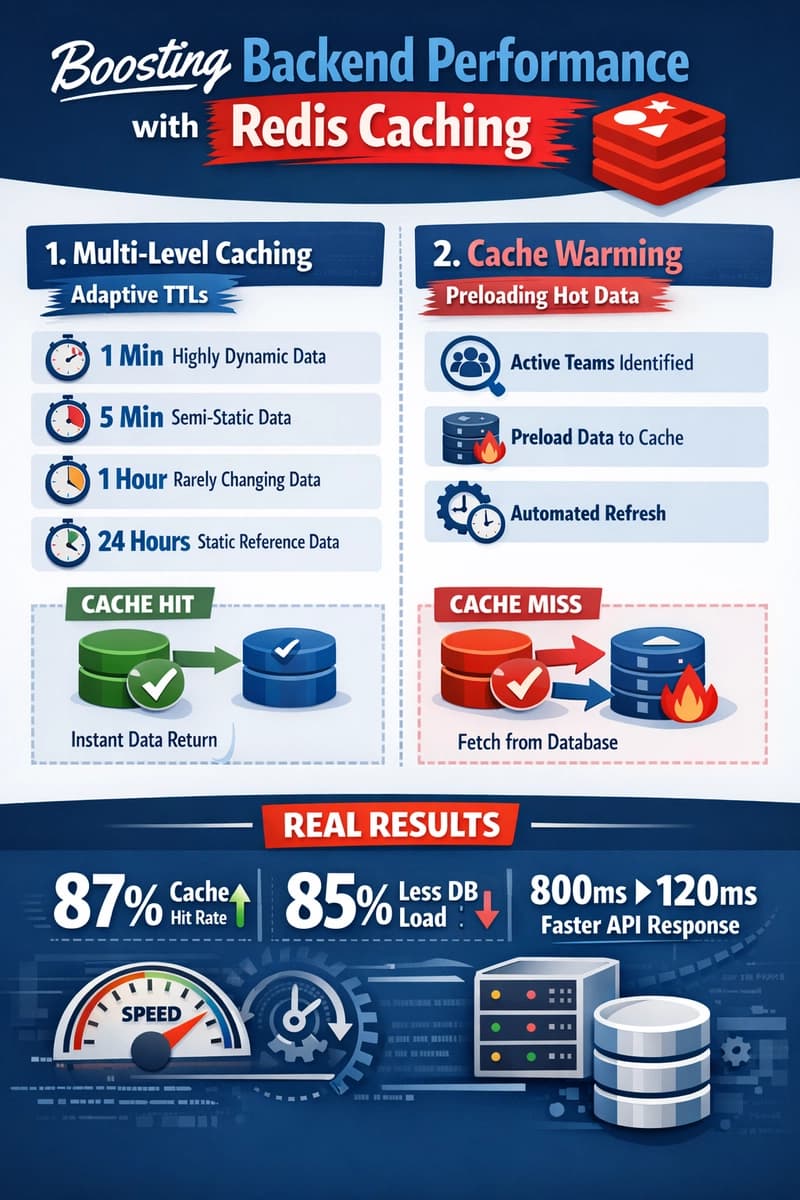
Moving Beyond Disk: How Redis Supercharges Your App Performance
about 2 hours ago