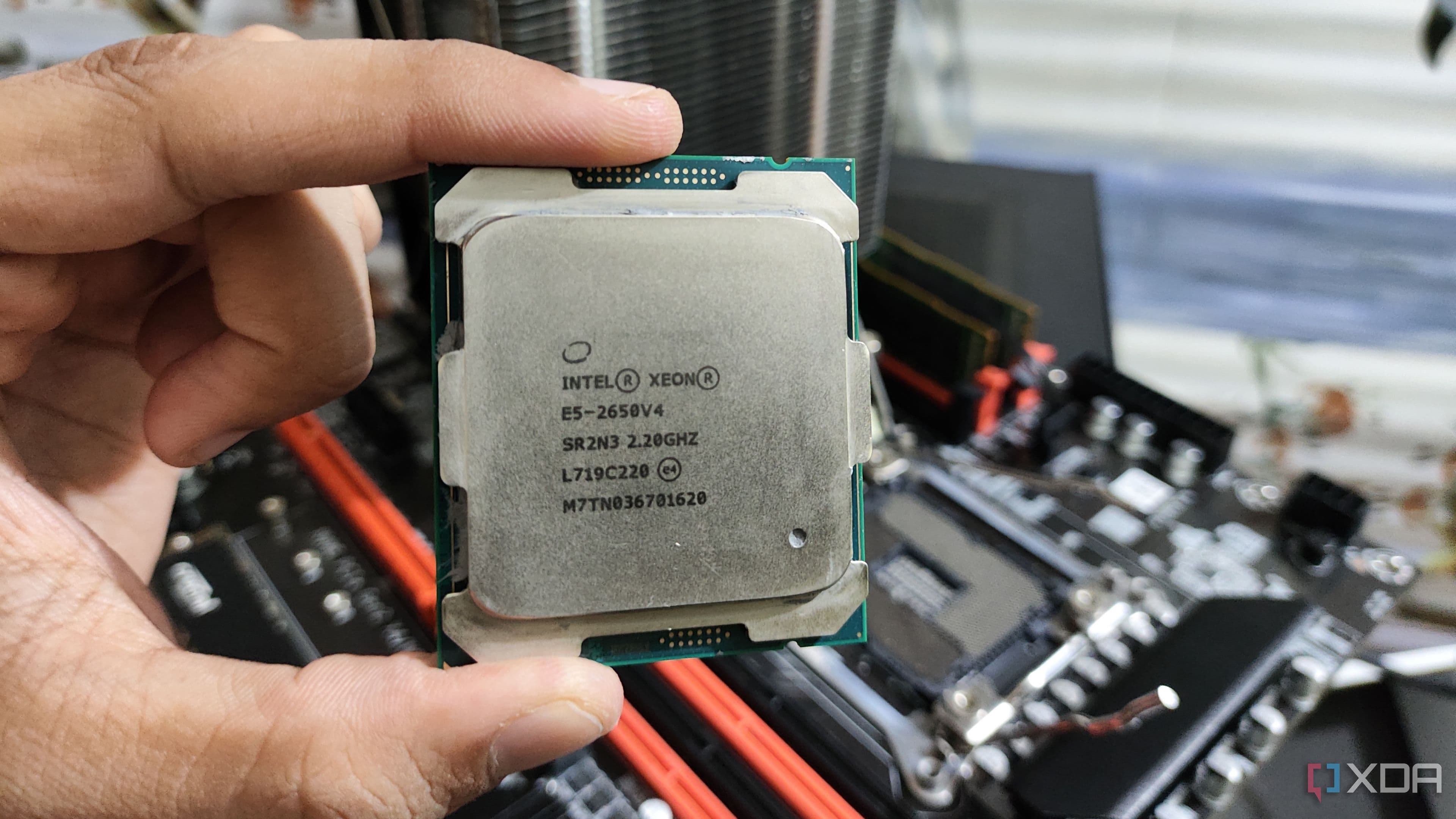
Intel expects third-quarter revenue between $15.8 billion and $16.8 billion, compared with analysts' average estimate of $15.1 billion, according to data compiled by LSEG. Adjusted profit is expected to be 38 cents per share, compared with analyst estimates of 27 cents.
Key Insights
10 editorial insights.
Intel's stock has experienced a significant uptick as it forecasts third-quarter revenues between $15.8 billion and $16.8 billion, exceeding analysts' expectations. This surge underscores the growing demand for AI-driven semiconductor solutions, an essential component in various technology applications. The implications of this growth extend beyond financial markets, signaling a shift in the tech landscape that could redefine industry standards.
Intel's anticipated revenue growth is largely attributed to its advancements in AI chip technology. The company has been investing heavily in developing specialized processors, such as the Gaudi AI chip, which is optimized for machine learning workloads. These chips leverage enhanced architectures and manufacturing processes that enable higher performance while maintaining energy efficiency. With the AI sector requiring increasingly powerful hardware, Intel’s innovations position it favorably within the competitive landscape of semiconductor manufacturing.
The broader technology industry is witnessing a fierce race among major players, including AMD and NVIDIA, to capture the burgeoning AI market. NVIDIA, in particular, has set the benchmark with its GPU offerings, while AMD strives to enhance its capabilities. Industry analysts are noting a 20% year-over-year growth in AI chip sales, reflecting a robust demand that Intel aims to capitalize on. This competitive landscape is forcing companies to innovate rapidly, making AI capabilities a focal point of product development.
In the context of India’s tech ecosystem, companies like Wipro and Infosys are increasingly integrating AI into their service offerings, which may drive demand for Intel’s chips. Local startups focusing on AI solutions, especially in fintech and healthcare, will also benefit from Intel’s advancements. As Indian developers seek high-performance computing options for their AI projects, the influx of Intel’s chips could enhance the capabilities of local innovations, fostering a more vibrant tech community.
Key Highlights
- Intel projects Q3 revenue to exceed $15.8 billion, surpassing estimates.
- New Gaudi AI chips are designed for enhanced machine learning performance.
- AI chip sales expected to grow by 20% year-over-year in 2023.
- Startups in India stand to benefit from access to advanced AI semiconductor technology.
- Future developments may include further AI chip releases in upcoming quarters.
Real-World Impact
The immediate effects of Intel's projected revenue growth are particularly relevant for roles in semiconductor design, AI development, and cloud computing. Industries relying on high-performance computing, such as automotive, healthcare, and finance, will find increased opportunities as they adopt Intel's latest technologies. Developers and engineers will need to be prepared to leverage advanced AI capabilities to stay competitive in their respective fields.
Why This Matters
This development reflects a significant shift in the semiconductor industry towards AI-centric solutions. For CTOs and developers, the emphasis on AI integration should drive strategic decisions regarding hardware investments and project development. As AI becomes increasingly central to tech infrastructures, adapting to these changes will be critical for maintaining competitive advantage in the marketplace.
Looking ahead, the next key area to monitor will be Intel's upcoming announcements regarding new AI chip releases, which could further impact market dynamics. Stakeholders in the tech sector should prepare for rapid advancements and shifts in consumer demands as AI continues to evolve.
Deep Analysis
Multi-Source Intelligence
Found this useful? Share it!