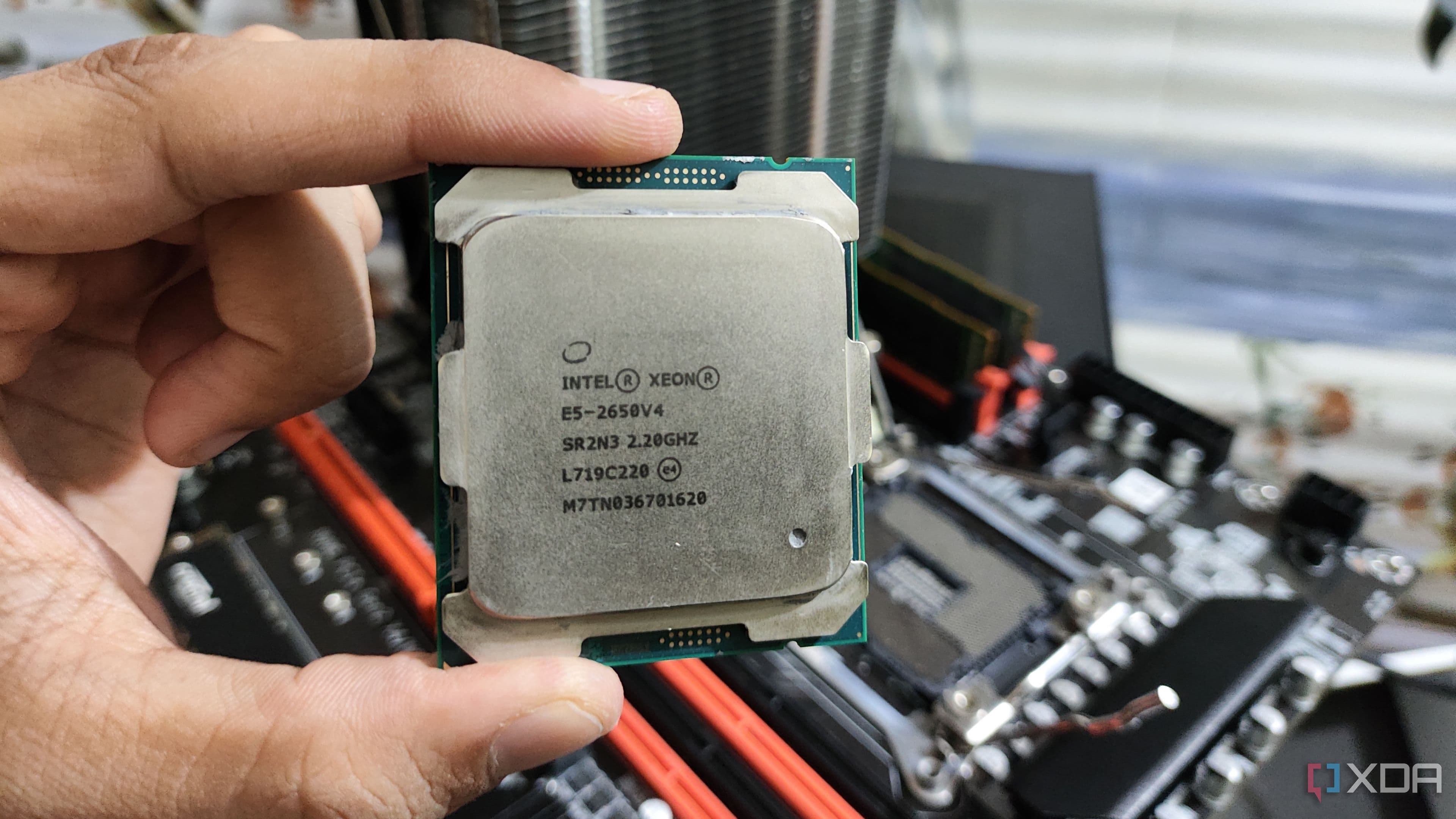
The move highlights a broader consequence of the AI boom: demand has spread beyond AI accelerators to memory, networking gear and server processors, giving suppliers greater leverage to seek long-term purchase deals.
Key Insights
10 editorial insights.
The Indian server market faces a critical juncture as Intel and AMD secure substantial contracts with Chinese firms, exacerbating existing supply chain pressures. This development not only emphasizes the escalating demand for advanced server technologies fueled by the AI boom but also underlines shifting market dynamics that could reshape the competitive landscape in India.
At the core of this situation is the surge in demand for AI-driven technologies, which has extended beyond just accelerators to encompass memory modules, networking equipment, and server processors. Intel and AMD are capitalizing on this trend, offering high-performance processors designed for AI workloads. These processors leverage advanced architectures, such as Intel's Xeon Scalable and AMD's EPYC series, which deliver superior performance and efficiency, making them attractive to enterprises looking for robust AI solutions.
The broader tech industry is witnessing a shift as companies race to enhance their AI capabilities. Market data indicates a growing preference for long-term contracts among suppliers, allowing them to secure stable revenue streams amidst fierce competition. This trend is particularly evident in Asia, where firms are investing heavily in AI infrastructure, and both Intel and AMD are positioning themselves to dominate this burgeoning market.
Within the Indian tech ecosystem, this development poses challenges for local server manufacturers and startups. Companies like Wipro, HCL Technologies, and others that rely on server technology must now contend with increased pressure from foreign competitors. The potential for a supply chain bottleneck could hinder India's ability to scale its own AI initiatives, affecting sectors such as fintech, healthcare, and e-commerce, which are increasingly reliant on robust server infrastructure.
Key Highlights
- Intel and AMD secure substantial contracts with Chinese companies
- Intel Xeon and AMD EPYC processors designed for AI workloads
- Long-term contracts indicate a 20% increase in supplier leverage
- Global tech firms, particularly in Asia, stand to benefit most
- Expect a shift in server procurement strategies over the next 12 months
Real-World Impact
The immediate effects of these contracts are likely to impact roles in server manufacturing and procurement within India. Companies may face difficulties in sourcing cutting-edge technology, leading to potential delays in product rollouts. Meanwhile, sectors dependent on server technology, like cloud services and AI startups, might experience disruptions in their operations, affecting overall growth trajectories.
Why This Matters
This situation signifies a larger shift in the global tech landscape, where AI demands are reshaping market dynamics. CTOs and developers in India should reassess their supply chain strategies and consider diversifying their vendor bases to mitigate risks. Additionally, fostering partnerships with local and international tech firms could enhance their competitive edge amidst these changes.
As the server market evolves, keeping an eye on how local players adapt to these challenges will be crucial. The next significant development to watch will be how Indian companies innovate or pivot in response to the competitive pressures from Intel and AMD.
Deep Analysis
Multi-Source Intelligence
Found this useful? Share it!