Golang vs JavaScript
Golang Experience in Comparison to JavaScript: A Practical Perspective Language Philosophy and Design Golang was designed with simplicity, performance, and concurrency in mind. Its syntax is minimalistic, avoiding unnecessary abstractions and enforcing a strict structure. The language encourages cla
Charles Otugeh
Golang Experience in Comparison to JavaScript: A Practical Perspective
In the modern software landscape, developers often find themselves choosing between multiple programming languages depending on the problem they want to solve. Two popular choices Golang (Go) and JavaScript (JS) offer very different development experiences. While both are powerful in their own right, they differ significantly in philosophy, performance, ecosystem, and use cases. This article explores what it feels like to work with Golang compared to JavaScript from a practical, developer-focused perspective.
- Language Philosophy and Design
Golang was designed with simplicity, performance, and concurrency in mind. Its syntax is minimalistic, avoiding unnecessary abstractions and enforcing a strict structure. The language encourages clarity over cleverness, making codebases easier to read and maintain.
JavaScript, on the other hand, is highly flexible and dynamic. Originally built for the browser, it has evolved into a multi-paradigm language supporting functional, object-oriented, and event-driven programming. This flexibility is powerful, but can also lead to inconsistency across projects.
Experience takeaway:
Go feels disciplined and predictable.
JavaScript feels expressive but sometimes chaotic.
- Performance and Efficiency
Performance is one of Golang’s strongest advantages. Being a compiled language, Go produces fast, efficient binaries that run close to system-level performance. It is particularly well-suited for back-end systems, APIs, and microservices.
JavaScript, being interpreted (or JIT-compiled), is generally slower in raw execution. However, modern engines like V8 have significantly improved its speed. Still, for CPU-intensive tasks, it lags behind Go.
Experience takeaway:
Go excels in performance-critical applications.
JavaScript is “fast enough” for most web use cases.
- Concurrency and Scalability
Concurrency in Go is a standout feature. With goroutines and channels, developers can easily write concurrent programs without dealing with complex thread management. This makes Go highly effective for scalable backend services.
JavaScript uses a single-threaded event loop with asynchronous patterns like callbacks, promises, and async/await. While powerful, handling concurrency can become complex, especially in large applications.
Experience takeaway:
Go makes concurrency simple and natural.
JavaScript requires more careful handling of async logic.
- Tooling and Developer Experience
Golang comes with built-in tooling that works seamlessly; formatting, testing, dependency management, and compilation are all standardized. This reduces setup time and eliminates “tool fatigue.”
JavaScript has a vast ecosystem with countless tools, frameworks, and libraries. While this provides flexibility, it also leads to fragmentation. Developers often spend time choosing and configuring tools rather than building features.
Experience takeaway:
Go offers a smooth, consistent development workflow.
JavaScript offers choice—but at the cost of complexity.
- Ecosystem and Use Cases
JavaScript dominates frontend development and is essential for building interactive web applications. With Node.js, it also powers backend systems, making it a full-stack language.
Golang is primarily used for backend services, cloud infrastructure, and DevOps tools. It shines in building APIs, distributed systems, and high-performance servers.
Experience takeaway:
JavaScript is unavoidable for web interfaces.
Go is ideal for backend performance and reliability.
- Learning Curve
Golang is relatively easy to learn due to its small syntax and strict rules. Developers can become productive quickly.
JavaScript has a steeper learning curve—not because of syntax, but due to its quirks, asynchronous behavior, and evolving ecosystem.
Experience takeaway:
Go is beginner-friendly and straightforward.
JavaScript requires deeper understanding over time.
Conclusion
Choosing between Golang and JavaScript is less about which language is better and more about which is better suited to your needs.
If you want simplicity, performance, and strong concurrency Go is an excellent choice.
If you need flexibility, rich ecosystems, and frontend capabilities JavaScript is indispensable.
Many modern systems even use both: JavaScript for the frontend and Go for the backend. Understanding the strengths of each allows developers to build more efficient, scalable, and maintainable applications.
In the end, the best developers aren’t loyal to one language thLearning Curve
Golang is relatively easy to learn due to its small syntax and strict rules. Developers can become productive quickly.
JavaScript has a steeper learning curve not because of syntax, but due to its quirks, asynchronous behavior, and evolving ecosystem.
Experience takeaway
Go is beginner-friendly and straightforward.
JavaScript requires deeper understanding over time.They're fluent in choosing the right tool for the job.
By Charles Otugeh
Penetration tester,Software Developer apprentice at Zone01 Kisumu
kotugeh@gmail.com
+254704433824
Found this useful? Share it!
Read the Full Story
Continue reading on Dev.to
Related Stories
Majority Element
about 2 hours ago
Building a SQL Tokenizer and Formatter From Scratch — Supporting 6 Dialects
about 2 hours ago
Markdown Knowledge Graph for Humans and Agents
about 2 hours ago
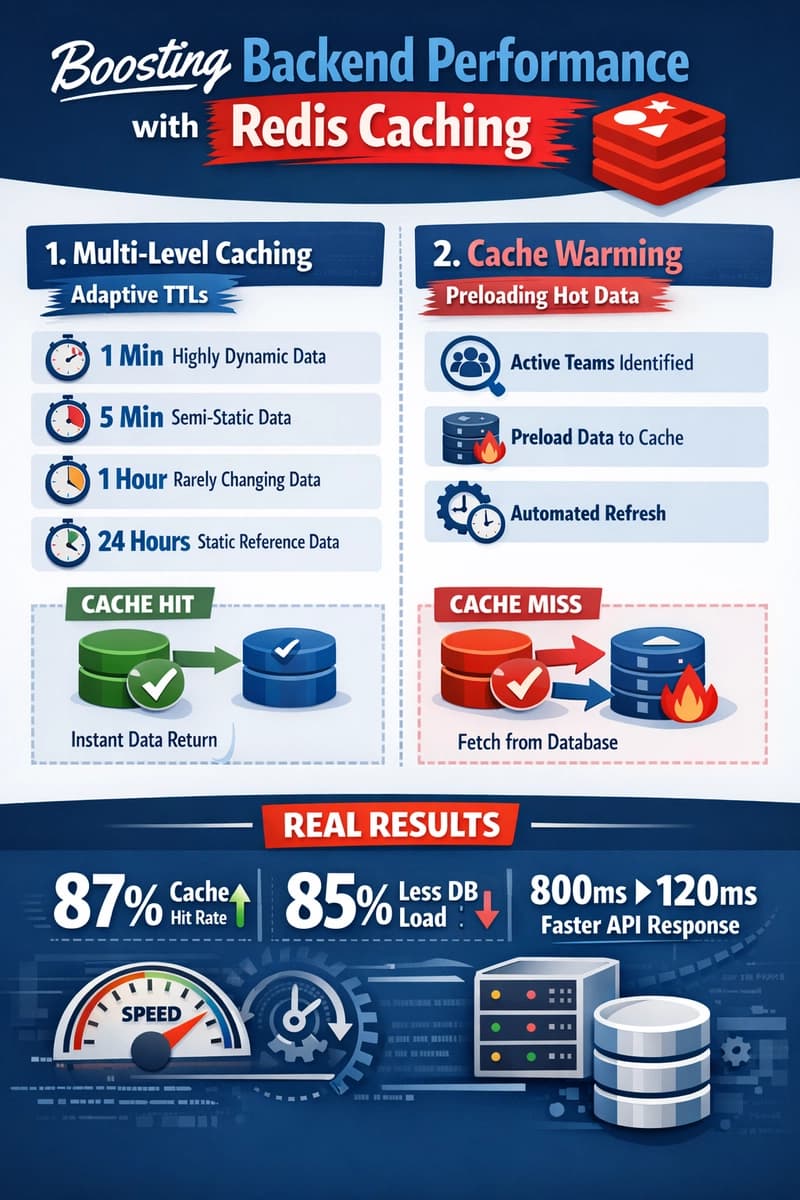
Moving Beyond Disk: How Redis Supercharges Your App Performance
about 2 hours ago