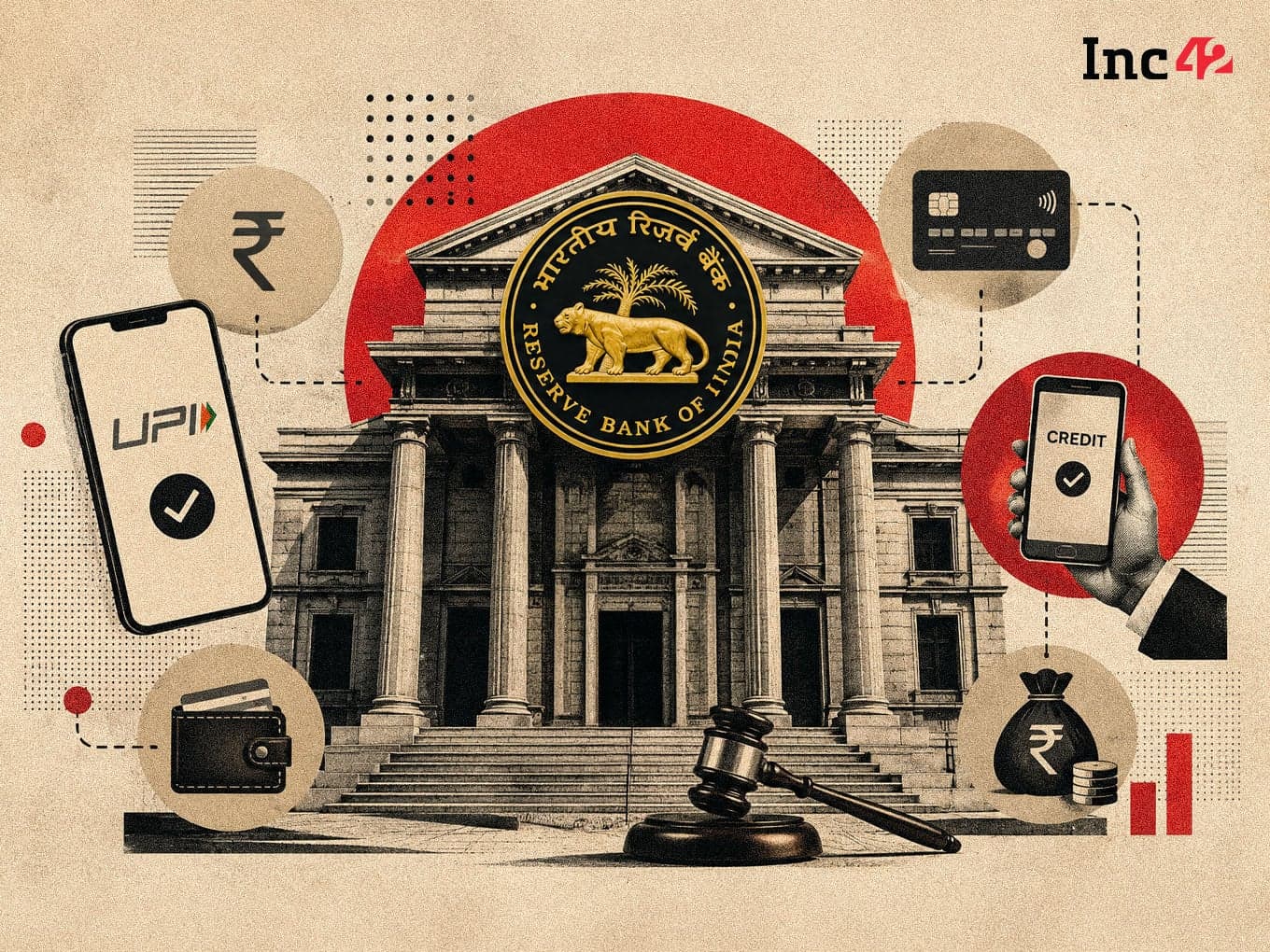
A few years after launching credit on UPI, the RBI has now reiterated the regulatory framework governing credit on UPI,…
Key Insights
10 editorial insights.
The Reserve Bank of India (RBI) has introduced significant reforms to the regulatory framework governing credit transactions via the Unified Payments Interface (UPI). This move is crucial as it formalizes the integration of credit into UPI, which could potentially expand the scope of digital payments in India, making credit more accessible to consumers.
Key players in this space include major banks such as State Bank of India and private fintech companies like Paytm and PhonePe. Their involvement is critical as they will need to adapt to the new regulations, affecting how they offer credit services and compete in a burgeoning digital payment ecosystem.
This development is strategically important as it reflects the RBI's commitment to enhancing the digital payment landscape while ensuring consumer protection. The growth of credit on UPI could drive financial inclusion, enabling more users to access credit facilities, which has been a significant barrier in the Indian market.
For companies like Paytm and PhonePe, this reform could lead to increased transaction volumes and revenue through credit offerings. End users may benefit from easier access to credit, leading to higher spending power and improved financial flexibility, thus stimulating economic activity.
This change connects to the broader trend of digital financial services expanding in India, with UPI transactions growing at over 100% year-on-year. The increased acceptance of credit through UPI aligns with the global shift towards cashless economies, where digital payments are becoming the norm.
The Indian digital payments market has seen exponential growth, with UPI transactions reaching nearly 8 billion in August 2023 alone, valued at over $200 billion. This signifies a fast-evolving landscape, where credit offerings could capture a significant share of this burgeoning market.
However, this regulatory change introduces risks, such as potential over-indebtedness among consumers and the challenge of ensuring responsible lending practices. The RBI will need to monitor these developments closely to mitigate risks associated with increased credit availability.
Competitors like Google Pay and Amazon Pay may respond by enhancing their credit offerings or introducing innovative features to attract users. As the competition intensifies, we may see a race to provide better user experiences and incentives for credit utilization.
In the next 6-12 months, it will be crucial to observe how the RBI implements these reforms and the specific guidelines that emerge for credit providers. Additionally, any new partnerships or technology integrations that enhance user experience will be key milestones to watch for.
For technology professionals and investors, this reform signifies a pivotal moment in the fintech landscape, presenting opportunities for innovation and investment in digital credit solutions. Understanding the evolving regulatory environment will be essential for navigating potential risks and capitalizing on growth in this sector.
The Reserve Bank of India (RBI) has announced significant reforms regarding credit transactions via the Unified Payments Interface (UPI), a move that underscores its commitment to enhancing digital payment systems in the country. This change is pivotal as it seeks to streamline credit offerings, ensuring greater accessibility and security for users amid the growing reliance on digital payments in India.
The RBI's updated regulatory framework aims to facilitate the integration of credit into UPI transactions more seamlessly. By allowing banks and financial institutions to offer credit via UPI, users can now access loans directly from their digital wallets or banking apps. This is made possible through the implementation of more robust APIs and secure transaction protocols that ensure real-time processing and higher transaction limits. The technical backbone involves leveraging the UPI's architecture to support credit transactions while maintaining compliance with existing banking norms.
In the broader context, this reform places India at the forefront of digital finance innovation, particularly as competitors like Paytm and PhonePe are continually evolving their offerings. The digital payments landscape in India has witnessed exponential growth, with UPI transactions surpassing 45 billion in the last fiscal year. By enhancing credit access through UPI, the RBI aims to amplify this trend and encourage further adoption among consumers and merchants alike.
For India's tech ecosystem, this reform is a game changer. Major players in fintech, such as Razorpay and Paytm, stand to benefit significantly as they can now incorporate these credit functionalities into their platforms. This opens new avenues for small and medium enterprises (SMEs) to access credit easily, thereby stimulating growth in various sectors, including retail and e-commerce. Moreover, the increased credit availability is expected to boost consumer spending, further driving economic recovery post-pandemic.
Key Highlights
- RBI introduces new guidelines for credit transactions via UPI
- Integration of credit services through enhanced APIs and secure protocols
- UPI transactions expected to increase by 30% due to new credit offerings
- Consumers and SMEs are the primary beneficiaries of these reforms
- Look for a surge in fintech innovations over the next 6-12 months
Real-World Impact
The immediate effects of these reforms will be felt across various sectors, especially in fintech and retail. Job roles within banks and payment companies focusing on compliance, risk assessment, and product development will be crucial as organizations adapt to the new framework. Additionally, micro and small enterprises will find it easier to access credit, enabling them to expand operations and invest in technology.
Why This Matters
This reform signifies a pivotal shift towards a more inclusive financial landscape in India. It represents the RBI's proactive stance in integrating credit with digital payment solutions, which is essential for fostering economic growth. CTOs and developers should now prioritize building applications that seamlessly incorporate these new credit functionalities, enhancing user experience and operational efficiency.
As the RBI's reforms unfold, keeping an eye on emerging fintech startups that leverage these changes will be crucial. The next few months will likely reveal innovative solutions designed to optimize credit access and enhance user engagement in the digital payments space.
Found this useful? Share it!