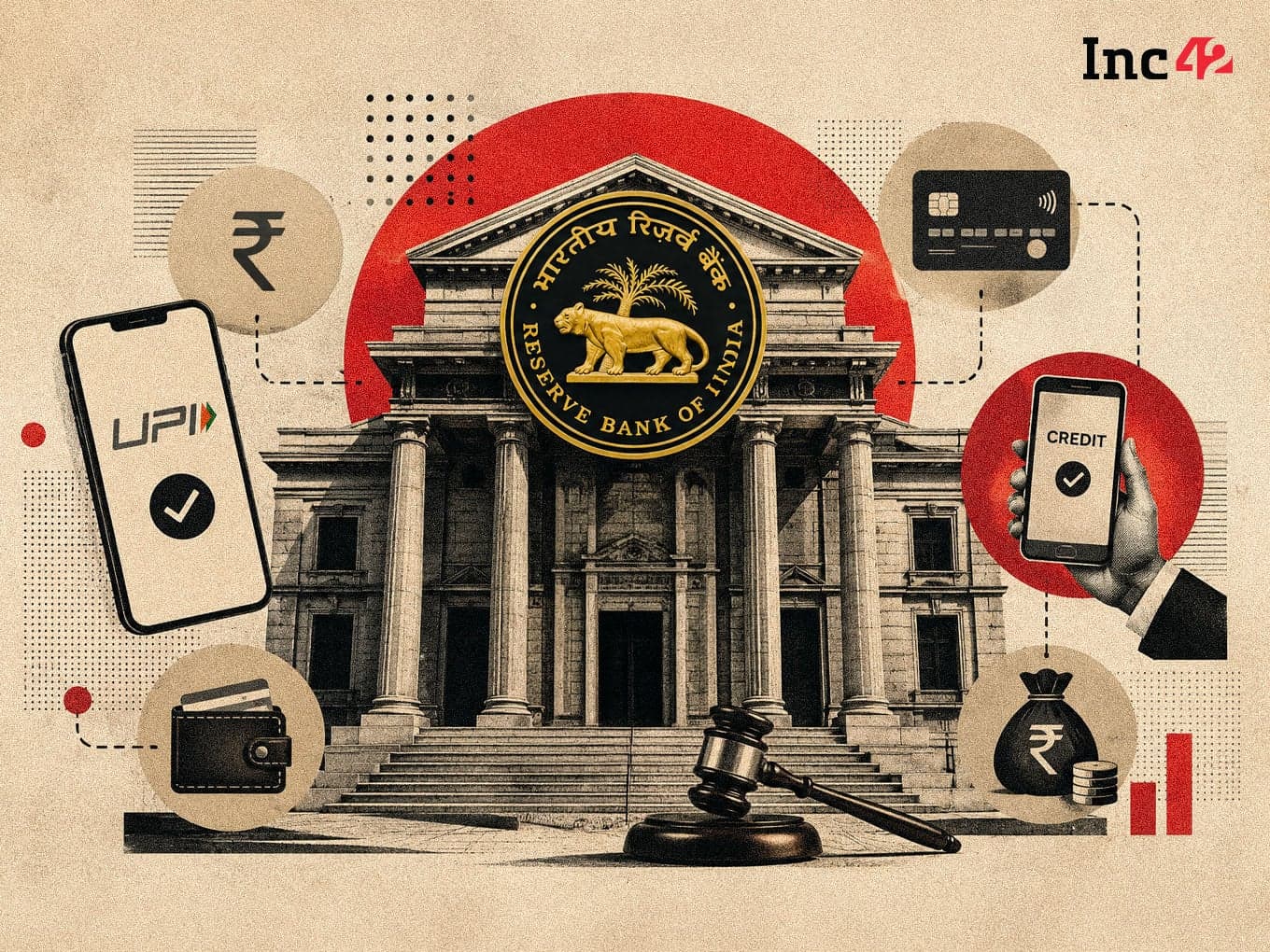
The Indian central bank reportedly urged lawmakers to keep banks insulated from crypto and private stablecoins while preserving room for regulated tokenization.
⚠️ Disclaimer: Cryptocurrency content on AiFeed24 is for informational purposes only and does not constitute financial or investment advice. Crypto investments are highly volatile and risky. Always consult a qualified financial advisor before making investment decisions.
Key Insights
10 editorial insights.
The Reserve Bank of India (RBI) has taken a definitive stance by urging lawmakers to insulate banks from cryptocurrency and private stablecoins. This move indicates a growing concern about the potential risks that cryptocurrencies pose to the financial system, emphasizing the need for a regulatory framework that safeguards traditional banking while allowing for innovation in tokenization.
Key players in this scenario include the RBI, which has a pivotal role in shaping financial regulations, and major Indian banks like State Bank of India (SBI) and HDFC Bank. Their involvement is critical as they navigate the regulatory landscape while balancing the demand for digital finance solutions from consumers and businesses alike.
This development is strategically significant as it signals the Indian government's cautious approach towards cryptocurrency adoption. By separating banks from crypto assets, India aims to maintain financial stability while possibly fostering a regulated environment for blockchain technology and tokenized assets, which could lead to innovation in financial services.
For companies in the fintech space, such as Paytm and PhonePe, this regulatory stance could limit their ability to integrate cryptocurrencies into their platforms, potentially stalling growth in digital payment solutions. Developers and startups focusing on decentralized finance (DeFi) may need to pivot their strategies to align with stricter regulations, impacting innovation in the sector.
Over the past 12-24 months, the global trend has been towards increased regulation of cryptocurrencies, evidenced by actions from the U.S. SEC and the EU's MiCA framework. India's move reflects a broader pattern of governments attempting to harness the benefits of blockchain technology while mitigating risks associated with unregulated cryptocurrencies.
The Indian cryptocurrency market has shown significant growth, with estimates suggesting a valuation of around $1.5 billion in 2023, driven by a user base exceeding 15 million. However, the RBI's intervention could lead to a slowdown in this growth as regulatory clarity may deter new investments and innovations within the crypto space.
This regulatory directive raises several unresolved questions regarding the future of cryptocurrencies in India, particularly concerning compliance and the scope of tokenization. The challenge lies in defining the parameters of what constitutes regulated tokenization and how it can coexist with traditional banking systems without causing systemic risks.
Competitors in the fintech and crypto exchange space, such as WazirX and CoinDCX, may respond by advocating for clearer regulations that allow for the coexistence of cryptocurrencies and traditional finance. They might also explore alternative markets or business models to mitigate the impact of restrictions imposed by the RBI.
In the next 6-12 months, crucial milestones to watch include the formulation of a comprehensive regulatory framework for cryptocurrencies and the potential introduction of a central bank digital currency (CBDC) by the RBI. These developments will be instrumental in shaping the future of digital finance in India and could set a precedent for other markets.
For technology professionals and investors, this situation highlights the importance of staying informed about regulatory trends and their implications for innovation. As governments worldwide tighten their grip on cryptocurrencies, understanding compliance and regulatory landscapes will become essential for navigating investment opportunities and technological advancements.
In a significant regulatory push, the Reserve Bank of India (RBI) has urged lawmakers to ensure a clear separation between the banking sector and cryptocurrencies. This directive aims to mitigate the risks posed by volatile digital assets and private stablecoins while allowing for regulated tokenization initiatives. The RBI's stance reflects a growing concern about the implications of unregulated cryptocurrency activities on the financial stability of the Indian banking system.
The RBI's recommendation to lawmakers involves measures that technically insulate banks from direct exposure to cryptocurrencies. This could involve stringent regulations that prevent banks from facilitating cryptocurrency transactions or holding any crypto assets. The focus is on maintaining financial stability by ensuring that the banking infrastructure is not compromised by the unpredictable nature of digital currencies. This raises questions on how banks can adapt their services while complying with these regulatory demands.
In the broader context, the global trend is increasingly leaning towards regulatory frameworks aimed at governing cryptocurrency use. Competitors in the fintech space are pivoting to offer regulated products that utilize blockchain technology without placing their businesses at risk from the volatility of cryptocurrencies. Market data shows that many countries are advancing their own regulatory stances, which can significantly impact the competitive landscape for Indian firms aiming to innovate within the crypto space.
For the Indian tech ecosystem, this directive will likely affect fintech companies, banks, and blockchain developers. Startups that offer crypto-related services may need to pivot their business models towards compliance with these new regulations. Established banks may accelerate their digital transformation efforts, focusing on the development of blockchain-based services that align with RBI guidelines while avoiding direct engagement with cryptocurrencies.
Key Highlights
- RBI urges lawmakers to separate banking from cryptocurrencies
- Regulatory measures to insulate banks from crypto risks
- Potential growth in regulated tokenization markets in India
- Fintech companies that adapt quickly may gain market advantage
- Expect further regulatory updates in the coming months
Real-World Impact
The RBI's push has immediate implications for various roles within the finance and tech sectors. Bank compliance officers, fintech developers, and crypto entrepreneurs will need to adapt their strategies to align with the central bank's directives. Industries such as finance and technology will witness shifts in operational norms, potentially stifling unregulated crypto activities while fostering compliant innovations.
Why This Matters
This move signifies a crucial strategic shift in India's approach to digital finance. It underscores the importance of regulatory oversight in maintaining economic stability and consumer trust. CTOs and developers should rethink their strategies to ensure that their solutions are compliant with upcoming regulations, thereby safeguarding their businesses against potential legal repercussions.
As the RBI continues to refine its regulatory framework, stakeholders in the Indian tech and finance sectors should closely monitor developments. The future of crypto-related innovations in India hinges on how these regulations evolve, particularly regarding tokenization and compliance.
Found this useful? Share it!