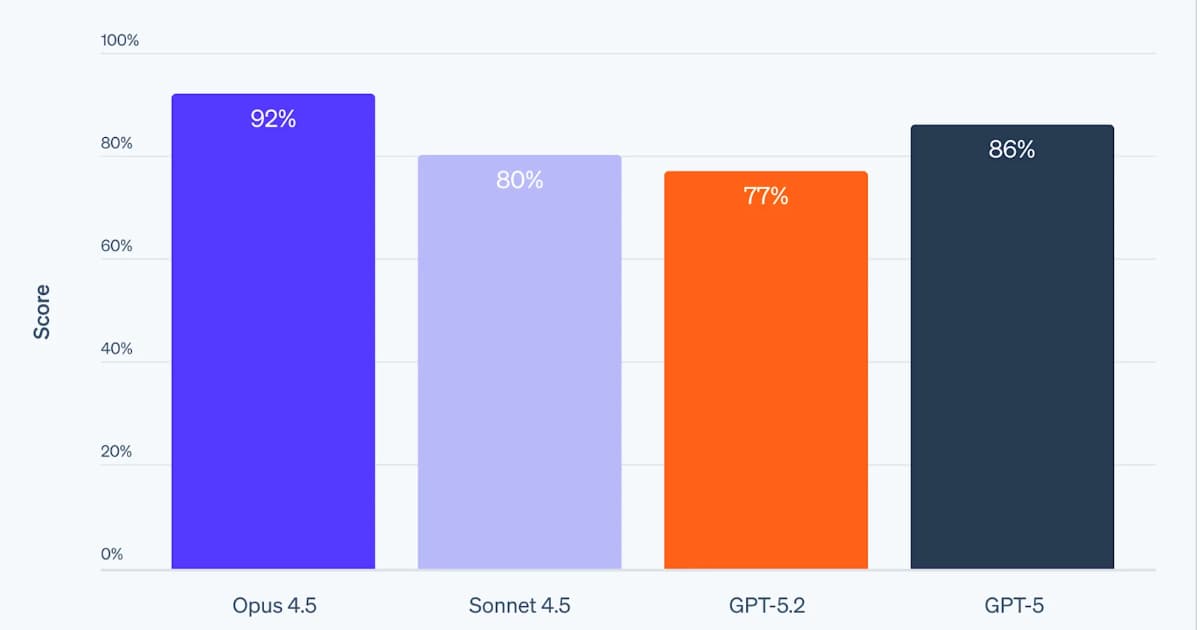
Stripe introduces a benchmark suite to evaluate whether AI agents can build real-world Stripe integrations across backend, frontend, and browser-based checkout workflows. The study examines end-to-end software engineering capability, focusing on execution, testing, and validation gaps in agentic sys
Key Insights
10 editorial insights.
Stripe has launched a new benchmark suite designed to assess the capability of AI agents in creating real-world integrations across various workflows. This initiative is crucial as it highlights potential gains in automation and the complexities of validating AI-generated code, a pressing concern for developers and businesses alike.
Stripe's benchmark suite evaluates AI agents' proficiency in building integrations that span backend systems, frontend interfaces, and browser-based checkout workflows. By focusing on software engineering capabilities, it scrutinizes aspects such as execution, testing, and the often-overlooked validation challenges posed by AI-generated code. This initiative employs machine learning models and advanced testing frameworks to ensure that AI solutions can operate seamlessly within existing infrastructures.
The broader tech landscape is witnessing a surge in AI integration across platforms, with competitors like PayPal and Square also exploring similar automation strategies. This trend aligns with a global push for more efficient software solutions, as businesses aim to reduce operational costs and improve user experiences. Recent market data indicates a significant rise in AI adoption, with the global AI market projected to surpass $500 billion by 2024, highlighting a crucial juncture for companies like Stripe.
In the Indian tech ecosystem, this development could have far-reaching implications, particularly for startups and developers engaged in fintech. Companies like Razorpay and Paytm may find themselves adapting to these new AI capabilities to enhance their offerings. The growing emphasis on automation in software development can empower Indian developers, providing them with tools to streamline processes and innovate faster in a competitive market.
Key Highlights
- Stripe releases a benchmark suite for evaluating AI integration capabilities
- The suite focuses on backend, frontend, and browser checkout workflows
- The global AI market is projected to reach $500 billion by 2024
- Indian fintech companies can leverage automation for competitive advantage
- Expect further advancements in AI integration tools in the coming year
Real-World Impact
The introduction of Stripe's benchmark suite will directly affect software engineers, QA testers, and product managers, particularly those in the fintech sector. By addressing validation challenges, teams can expect improved efficiency and accuracy in software development, reducing manual intervention and enhancing overall productivity.
Why This Matters
This initiative represents a significant shift in how companies perceive AI's role in software development. It underscores the need for developers and CTOs to embrace AI tools while being vigilant about the validation of AI-generated outputs. Understanding these nuances will be crucial for maintaining quality in software products.
As Stripe continues to refine its AI capabilities, it will be essential to monitor the evolving landscape of AI-driven automation tools. Observing how competitors respond and adapt will provide valuable insights into the future of fintech development.
Deep Analysis
Multi-Source Intelligence
Found this useful? Share it!