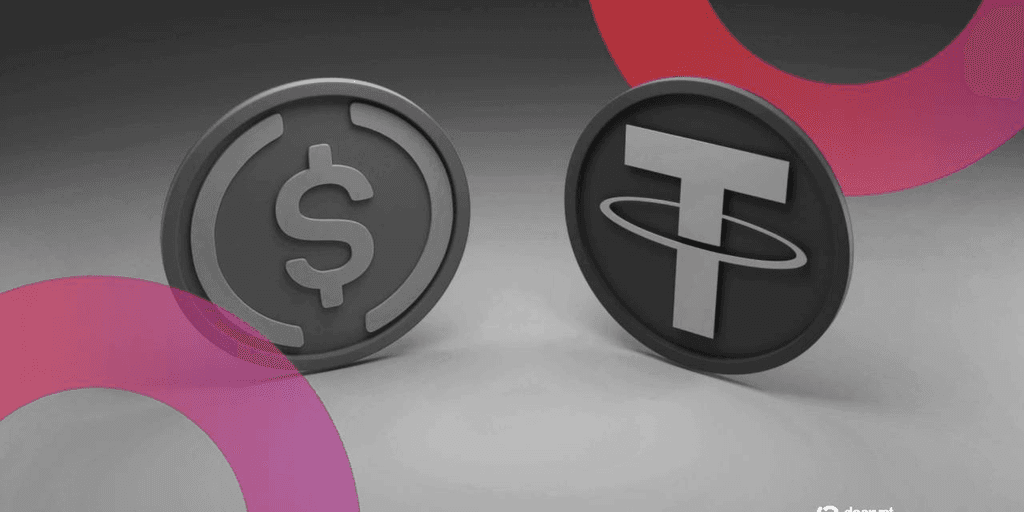
A consortium of more than 140 financial, payments and technology companies, including Visa Inc., Stripe Inc. and BlackRock Inc. is backing a new stablecoin called Open USD, taking direct aim at the market leaders Tether and Circle Internet Group Inc. The token, also known as OUSD, was unveiled by Op
Key Insights
10 editorial insights.
The launch of Open USD, supported by over 140 prominent companies including Visa and Stripe, marks a significant push in the stablecoin market aimed at challenging established players like Tether. This coalition reflects a growing recognition of the potential for stablecoins to redefine payment systems and financial transactions, signifying a pivotal moment for digital currency adoption.
Key players in this consortium, such as Visa Inc. and BlackRock Inc., bring substantial credibility and expertise to the table, which is crucial in an industry still grappling with regulatory scrutiny. Their involvement not only enhances the legitimacy of Open USD but also indicates a strategic shift towards mainstream acceptance of blockchain technology in traditional finance.
This development is strategically important as it represents a collective move by major financial entities to create a stablecoin that could offer more transparency and regulation than existing options. By uniting under Open USD, these companies aim to establish a standard that could redefine user trust and engagement in digital currencies.
For developers and end users, the introduction of Open USD could lead to more competitive transaction fees and faster settlement times compared to existing stablecoins. This change may incentivize broader adoption of stablecoins in everyday transactions, ultimately enhancing user experience and expanding market opportunities.
This initiative aligns with a broader trend over the past 12-24 months where financial institutions are increasingly integrating blockchain solutions to enhance efficiency and security. As companies like Visa and Stripe embrace digital currencies, the momentum may lead to wider crypto adoption across various sectors, reflecting a transformative shift in payment methods.
The stablecoin market has been growing rapidly, with a valuation near $150 billion as of late 2023, indicating a significant opportunity for new entrants. The backing of Open USD by heavyweight firms suggests that the potential for growth in this sector will attract further investment and innovation, which may reshape market dynamics substantially.
However, the introduction of Open USD also brings risks, including potential regulatory backlash and challenges in achieving interoperability with existing financial systems. Additionally, there are unresolved questions about how this new stablecoin will differentiate itself from Tether and Circle, particularly concerning transparency and reserve backing.
Competitors like Tether and Circle are likely to respond defensively, possibly by enhancing their own offerings or implementing strategic partnerships to maintain market share. This could lead to a more competitive landscape within the stablecoin sector, driving innovation and consumer benefits while also intensifying scrutiny from regulators.
In the next 6-12 months, key regulatory milestones to watch include potential guidelines from the SEC regarding stablecoin classifications and compliance measures that Open USD will need to adhere to. Observing how Open USD navigates these regulatory waters will be crucial in determining its long-term viability and market acceptance.
For technology professionals and investors, the emergence of Open USD underscores the accelerating convergence of traditional finance and blockchain technology. This trend presents both opportunities and challenges, as stakeholders must remain agile to capitalize on innovations while being mindful of regulatory landscapes that could impact the future of digital currencies.
In a significant move within the fintech realm, over 140 companies, including heavyweights like Visa and Stripe, have united to introduce Open USD, a new stablecoin challenging the dominance of Tether and Circle. This initiative is critical as it aims to enhance the efficiency and reliability of digital payments, highlighting a shift in the competitive landscape of stablecoins.
Open USD, also referred to as OUSD, is designed to provide a stable digital currency backed by a consortium of prominent financial and technology firms. This stablecoin leverages blockchain technology to ensure transparency and security in transactions. The underlying mechanism utilizes smart contracts to facilitate instant transfers and minimize volatility, a common challenge faced by existing stablecoins. By anchoring its value to the U.S. dollar, OUSD aims to provide a reliable alternative for users looking for stability in the ever-fluctuating cryptocurrency market.
In the broader context of the cryptocurrency landscape, OUSD enters a competitive arena dominated by Tether (USDT) and Circle's USDC. The stablecoin market has been growing rapidly, with a market capitalization exceeding $150 billion. This trend reflects increasing adoption of digital currencies for everyday transactions and remittances. As regulatory scrutiny intensifies, the backing of established companies like Visa and Stripe could provide OUSD with the credibility needed to attract users and investors alike.
In the Indian tech ecosystem, OUSD has the potential to influence the burgeoning fintech landscape significantly. Indian startups focusing on digital payments and remittances, such as Paytm and PhonePe, could explore integrating OUSD into their platforms to enhance user experience. This move might also push local regulators to evaluate their stance on stablecoins, given the growing global interest. As Indian developers and companies look to leverage blockchain technology, OUSD could serve as a benchmark for future innovations in the sector.
Key Highlights
- Over 140 companies have launched Open USD stablecoin.
- Open USD employs blockchain technology for transaction security.
- The stablecoin market exceeds $150 billion in capitalization.
- Indian fintech companies stand to gain from OUSD integration.
- Further developments in regulatory policies are expected soon.
Real-World Impact
Open USD is poised to impact various roles in the financial sector, particularly affecting digital payment developers and compliance officers. With its introduction, companies will need to adapt to new standards and regulatory frameworks surrounding stablecoins. Additionally, this could create new job opportunities in blockchain development and risk management as companies look to integrate OUSD into their operations.
Why This Matters
This development represents a broader shift towards innovation in the digital payment space, particularly with the backing of established financial institutions. CTOs and developers should reconsider their strategies regarding stablecoin integration to remain competitive and comply with evolving regulations. Embracing new technologies like Open USD could lead to enhanced customer trust and engagement in digital financial services.
As Open USD gains traction, its performance in the market will be crucial to watch. The reactions from competitors and regulatory bodies will shape the future of stablecoins and digital currencies globally.
Found this useful? Share it!