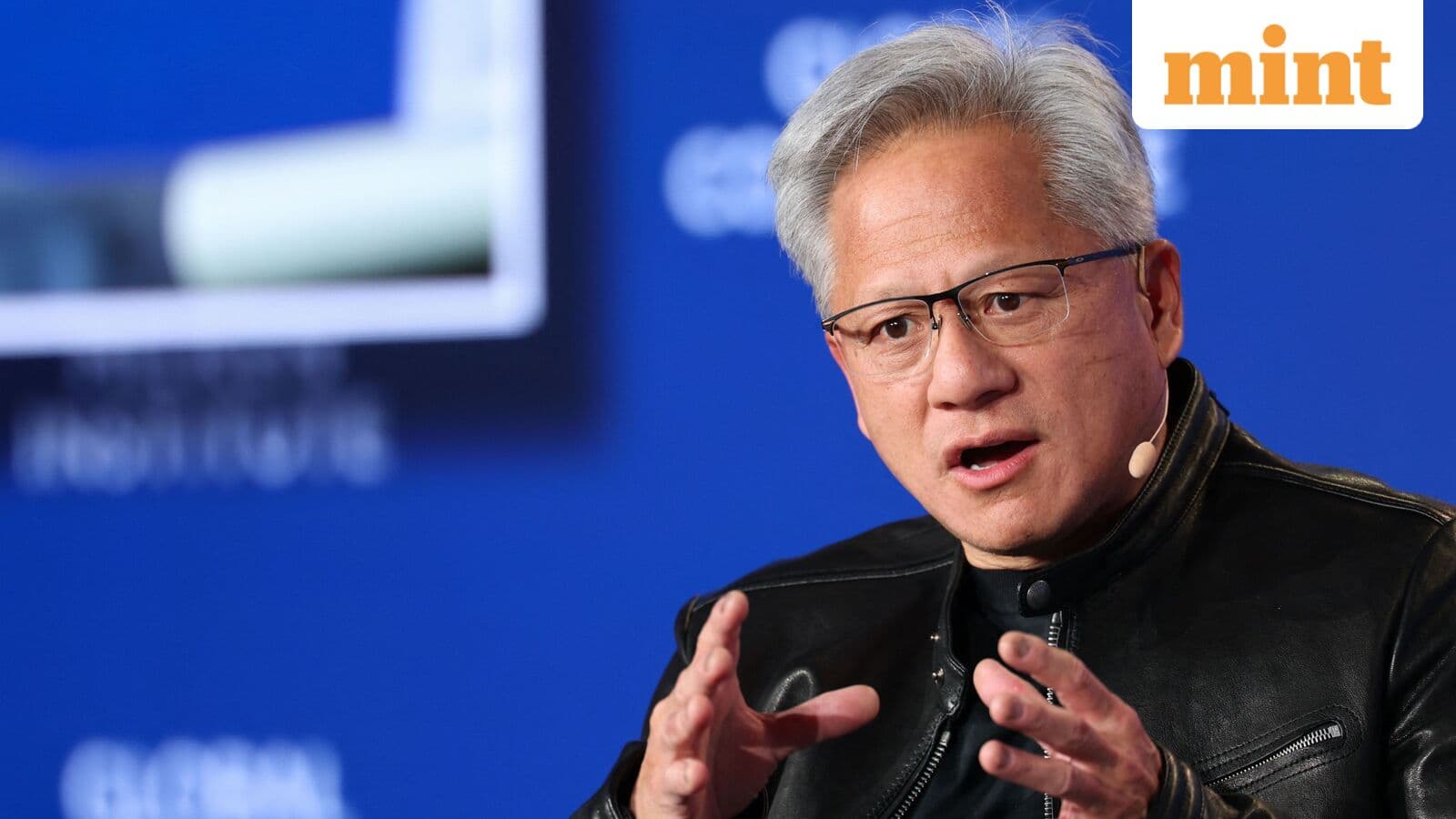
Huang noted that Taiwan companies' choices stemmed from strategic business judgment and long-standing corporate relationships rather than external coercion.
Key Insights
10 editorial insights.
Taiwan's semiconductor industry has become a pivotal player in global technology, particularly in light of rising tensions between the U.S. and China. The strategic decisions made by Taiwanese firms have not only ensured their dominance but also played a crucial role in preventing Japan from reclaiming its former industrial supremacy. This situation is significant as it redefines supply chain dynamics and influences international trade relations.
The technical backbone of Taiwan's semiconductor industry is its advanced fabrication processes, notably those developed by TSMC (Taiwan Semiconductor Manufacturing Company). Utilizing cutting-edge technologies like 5nm and 3nm node manufacturing, TSMC has established itself as a leader in producing high-performance chips. These chips power everything from smartphones to AI applications, showcasing the importance of semiconductor technology in modern electronics. The ability to scale production efficiently while maintaining quality has positioned Taiwan as a critical supplier in the global market.
Market trends indicate a robust demand for semiconductors, driven by the proliferation of AI, IoT, and 5G technologies. Competitors like South Korea's Samsung and China's SMIC are attempting to catch up, but Taiwan's established relationships with major clients, including Apple and Qualcomm, give it a competitive edge. The geopolitical landscape is also shifting, as the U.S. increasingly relies on Taiwanese chips to support its tech industry, further solidifying Taiwan's strategic importance.
In India, the semiconductor narrative is gaining traction as the government pushes for local manufacturing through initiatives like the Semiconductor Mission. Indian tech firms such as Vedanta and Tata are exploring partnerships with Taiwanese companies to build a domestic supply chain. This shift not only aims to reduce dependency on imports but also positions India as a potential hub for semiconductor production in Asia, attracting investment and talent.
Key Highlights
- Taiwan's semiconductor industry leads global chip production efforts.
- TSMC's 5nm and 3nm processes set industry benchmarks in efficiency.
- Global semiconductor market expected to reach $1 trillion by 2030.
- Indian manufacturers like Tata and Vedanta are poised to benefit from collaborations.
- Expect further investments in India's semiconductor sector over the next five years.
Real-World Impact
The immediate effects of Taiwan's semiconductor leadership are being felt across various sectors. Tech roles, particularly in AI and data analysis, are in high demand as companies seek to leverage advanced chips. Industries reliant on semiconductors, such as automotive and consumer electronics, will face challenges and opportunities in adapting to new supply dynamics. Job creation in semiconductor manufacturing is anticipated, particularly within India's burgeoning tech landscape.
Why This Matters
This development signifies a strategic shift in the global technology landscape, with Taiwan asserting its dominance at the expense of traditional leaders like Japan. For CTOs and developers, this means reevaluating supply chains and considering partnerships that can offer stability in sourcing components. Embracing local manufacturing and innovation will be crucial to remain competitive in this evolving market.
As the semiconductor industry continues to evolve, keeping an eye on India's investments and collaborations will be essential. The country's efforts to build a self-sufficient semiconductor ecosystem could reshape the Asian tech landscape, influencing global supply chains.
Deep Analysis
Multi-Source Intelligence
Found this useful? Share it!
