Meta's New Creator Payments in Stablecoins: A Game Changer
Meta’s decision to pay creators in USDC validates stablecoins as a mainstream disbursement tool, Joslyn suggests, but it also exposes the industry’s unresolved problem: moving seamlessly from digital dollars to usable local currency.
⚠️ Disclaimer: Cryptocurrency content on AiFeed24 is for informational purposes only and does not constitute financial or investment advice. Crypto investments are highly volatile and risky. Always consult a qualified financial advisor before making investment decisions.
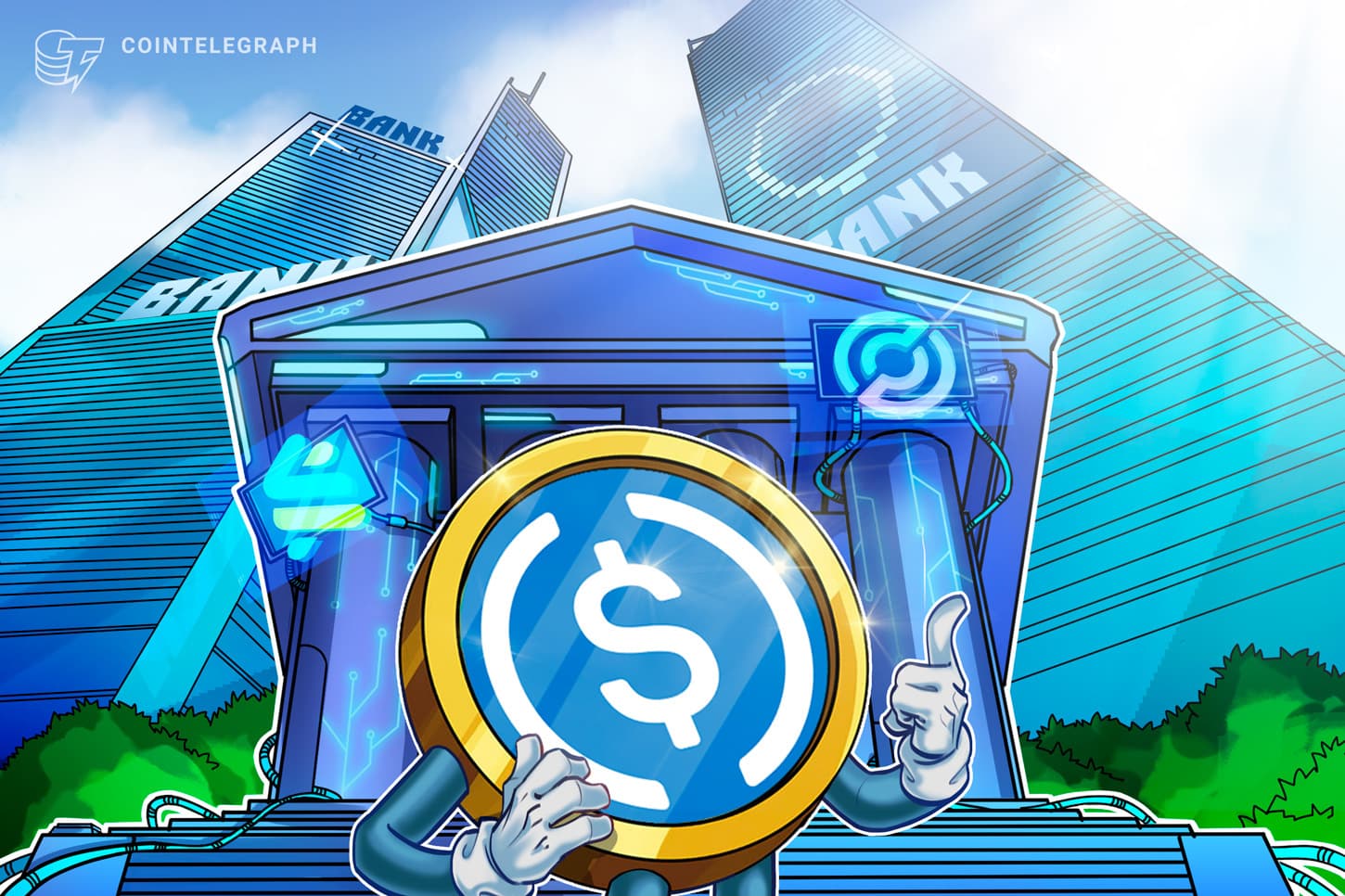
Meta's recent initiative to compensate creators using USDC stablecoins marks a significant advancement in the digital currency landscape. This move not only underscores the growing acceptance of stablecoins as a viable payment method but also highlights a critical challenge: converting digital assets into usable local currency. As Meta seeks to streamline payments in the creator economy, this decision could reshape how content creators monetize their work.
Meta's payment strategy revolves around the use of USD Coin (USDC), a stablecoin pegged to the US dollar, providing creators with predictable value. This technical adoption leverages blockchain technology, ensuring fast transactions and lower fees compared to traditional banking methods. By integrating stablecoins into their payment systems, Meta enhances user experience, allowing creators to receive payments in a currency that minimizes volatility. The choice of USDC also aligns with regulatory expectations, as it is issued by regulated entities, thus adding a layer of trust in the ecosystem.
The broader cryptocurrency landscape is witnessing a shift toward the mainstream adoption of stablecoins, with competitors like Coinbase and Binance exploring similar payment solutions. Current market data indicates that over 40% of crypto transactions involve stablecoins, reflecting their growing relevance. Additionally, as traditional financial institutions grapple with digital currency regulations, stablecoins are emerging as a bridge between conventional finance and the decentralized finance (DeFi) space, attracting a diverse range of users.
In India, the tech ecosystem is ripe for such innovations, with a burgeoning creator economy and increasing interest in cryptocurrencies. Platforms like WazirX and CoinSwitch Kuber are paving the way for crypto adoption among Indian users. However, the challenge remains in seamless conversion from stablecoins to the Indian Rupee (INR). As Meta's initiative gains traction, Indian creators may see increased opportunities for monetization, but they will also need to navigate local regulatory frameworks that could impact their ability to spend these digital earnings.
Key Highlights
- Meta introduces USDC payments for creators, enhancing monetization options.
- USD Coin (USDC) offers a stable value, minimizing volatility risks.
- Stablecoins now constitute over 40% of crypto transactions, signaling a robust trend.
- Content creators, especially in emerging markets, gain direct financial incentives.
- Expect expanded integration of stablecoins in payment systems across platforms in the coming months.
Real-World Impact
The immediate effects of Meta's stablecoin payment system will resonate across various roles, including content creators, digital marketers, and fintech innovators. Creators will benefit from quicker transactions and reduced fees. Additionally, industries reliant on digital content, such as entertainment and e-commerce, may experience a shift in revenue models as more participants adopt crypto payments.
Why This Matters
This development signifies a pivotal moment in how digital payments are perceived, especially in regions like India where traditional banking can be cumbersome. CTOs and developers should consider integrating stablecoin solutions into their platforms to remain competitive and responsive to market demands. Embracing this shift will not only attract creators but also enhance user trust in digital financial systems.
Looking ahead, the growing adoption of stablecoins like USDC will likely influence more tech giants to explore similar payment strategies. One key area to watch is how regulatory frameworks evolve in response to this trend, particularly in regions with strict monetary controls.
Found this useful? Share it!