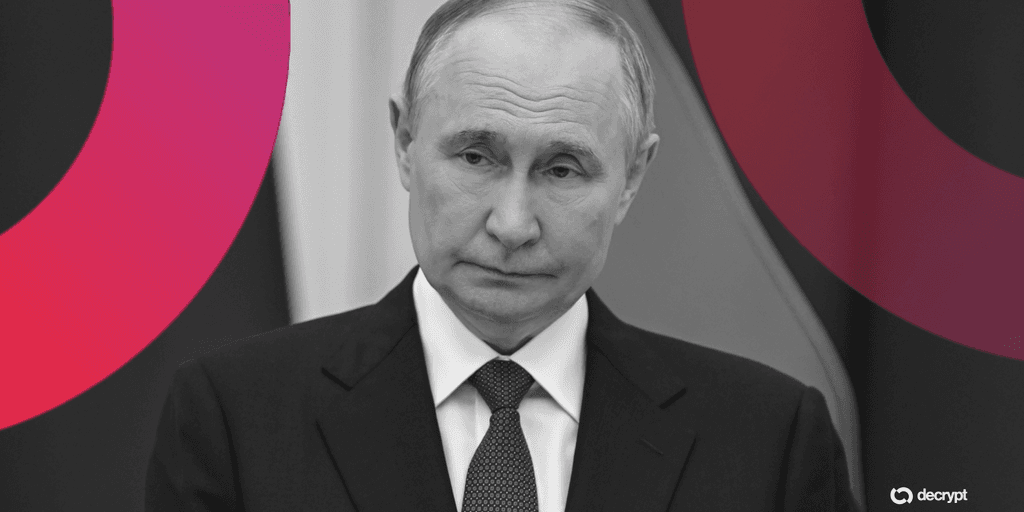
Digital Ruble Launch: Implications for Global Finance
The central bank is also actively discussing the use of stablecoins for international settlements, but only to complement the digital ruble.
⚠️ Disclaimer: Cryptocurrency content on AiFeed24 is for informational purposes only and does not constitute financial or investment advice. Crypto investments are highly volatile and risky. Always consult a qualified financial advisor before making investment decisions.
Key Insights
10 editorial insights.
The launch of the digital ruble in September marks a pivotal moment for Russia, as it aims to modernize its payment system and enhance financial efficiency through blockchain technology. By integrating instant settlements and robust security measures, the digital ruble could set a new standard for central bank digital currencies (CBDCs) globally.
The digital ruble's interoperability with existing payment systems and potential for smart contract integration highlights Russia's commitment to innovation in financial services. This approach not only simplifies transactions domestically but also positions Russia as a leader in the evolving landscape of digital currencies, potentially influencing other countries' CBDC initiatives.
China's digital yuan, which has already seen widespread adoption and integration into daily transactions, offers a stark contrast to the digital ruble's more focused approach on efficiency and security. While the digital yuan aims to strengthen China's financial dominance, the digital ruble seeks to complement existing digital currencies by offering a secure alternative for cross-border transactions.
The global push for CBDCs has intensified in recent years, with an increasing number of countries exploring the benefits of digital currencies. The digital ruble's launch is likely to accelerate this trend, prompting other nations to expedite their own CBDC development to maintain competitiveness in the digital economy.
In India, the Reserve Bank of India's ongoing discussions about its digital currency may be influenced by the digital ruble's success. Indian fintech companies, particularly those focused on remittances and cross-border transactions, could face strategic decisions as they evaluate the benefits of integrating the digital ruble into their services.
The digital ruble's emphasis on preventing fraud and data breaches through advanced security measures could set a new benchmark for CBDCs worldwide. This focus on security is crucial as digital currencies become more prevalent, and it addresses one of the key concerns for both consumers and financial institutions.
By enhancing transaction efficiency and security, the digital ruble is poised to revolutionize cross-border transactions, making it easier and faster for businesses and individuals to conduct international payments. This could significantly impact global trade dynamics, particularly for countries with strong trade ties to Russia.
The integration of smart contracts into the digital ruble could automate numerous financial processes, improving user experience and reducing administrative burdens. This feature highlights the potential for CBDCs to not only facilitate payments but also streamline complex financial operations, such as supply chain financing and insurance claims.
The digital ruble's launch could also have geopolitical implications, as it positions Russia as a key player in the digital currency space. By offering a secure and efficient alternative to other digital currencies, Russia could strengthen its financial ties with other countries, particularly in regions where trust in traditional financial systems is low.
As more countries introduce CBDCs, the need for standardization and interoperability becomes increasingly important. The digital ruble's design to complement existing digital currencies sets a positive precedent, emphasizing the importance of collaboration and cooperation in the global financial system.
The Bank of Russia has confirmed that the digital ruble will launch in September, marking a significant milestone in the evolution of central bank digital currencies (CBDCs). This initiative not only aims to modernize the Russian payment system but also positions Russia within the global financial landscape, especially amidst increasing interest in digital currencies worldwide.
The digital ruble operates on blockchain technology, enhancing transaction efficiency and security. It will allow for instant settlements, reducing the traditional delays associated with bank transfers. The central bank plans to ensure interoperability with existing payment systems while maintaining robust measures to prevent fraud and data breaches. Smart contracts may also be integrated to automate various financial processes, enhancing user experience.
Globally, the push for CBDCs is gaining momentum, with countries like China leading the charge with its digital yuan. Several nations are exploring the potential of stablecoins for international settlements, yet the digital ruble is designed to complement rather than replace such currencies. This places the digital ruble in a competitive landscape where secure and efficient cross-border transactions are crucial.
In India, the digital ruble's launch could influence the Reserve Bank of India's ongoing discussions about its own digital currency. Indian fintech companies, particularly those involved in remittances and cross-border transactions, may need to adapt to a landscape where digital currencies become the norm. Firms like Paytm and PhonePe could explore partnerships or integrations that leverage the digital ruble for smoother transactions with Russia.
Key Highlights
- Bank of Russia confirms September launch of the digital ruble
- Utilizes blockchain technology for secure, instant transactions
- Competing with global CBDCs, the digital ruble could reshape international finance
- Businesses engaged in cross-border transactions may benefit most
- Watch for regulatory developments surrounding international stablecoins
Real-World Impact
The immediate effect of the digital ruble launch will likely be felt by financial institutions, payment service providers, and businesses engaging in international trade. Roles such as compliance officers and blockchain developers may see increased demand as companies adapt to new digital currency frameworks. Additionally, industries involved in import-export may need to reassess their payment strategies to align with the evolving landscape.
Why This Matters
This launch signifies a strategic shift towards embracing digital currencies in mainstream finance. For CTOs and developers, understanding the implications of CBDCs on the existing financial architecture is crucial. As digital currencies gain traction, they will need to consider integrating these technologies into their systems to remain competitive.
As the digital ruble prepares for its debut, stakeholders should monitor its implications on global finance and local markets. The response from competitors, especially in Asia, will be pivotal in shaping the future of digital currencies.
Found this useful? Share it!