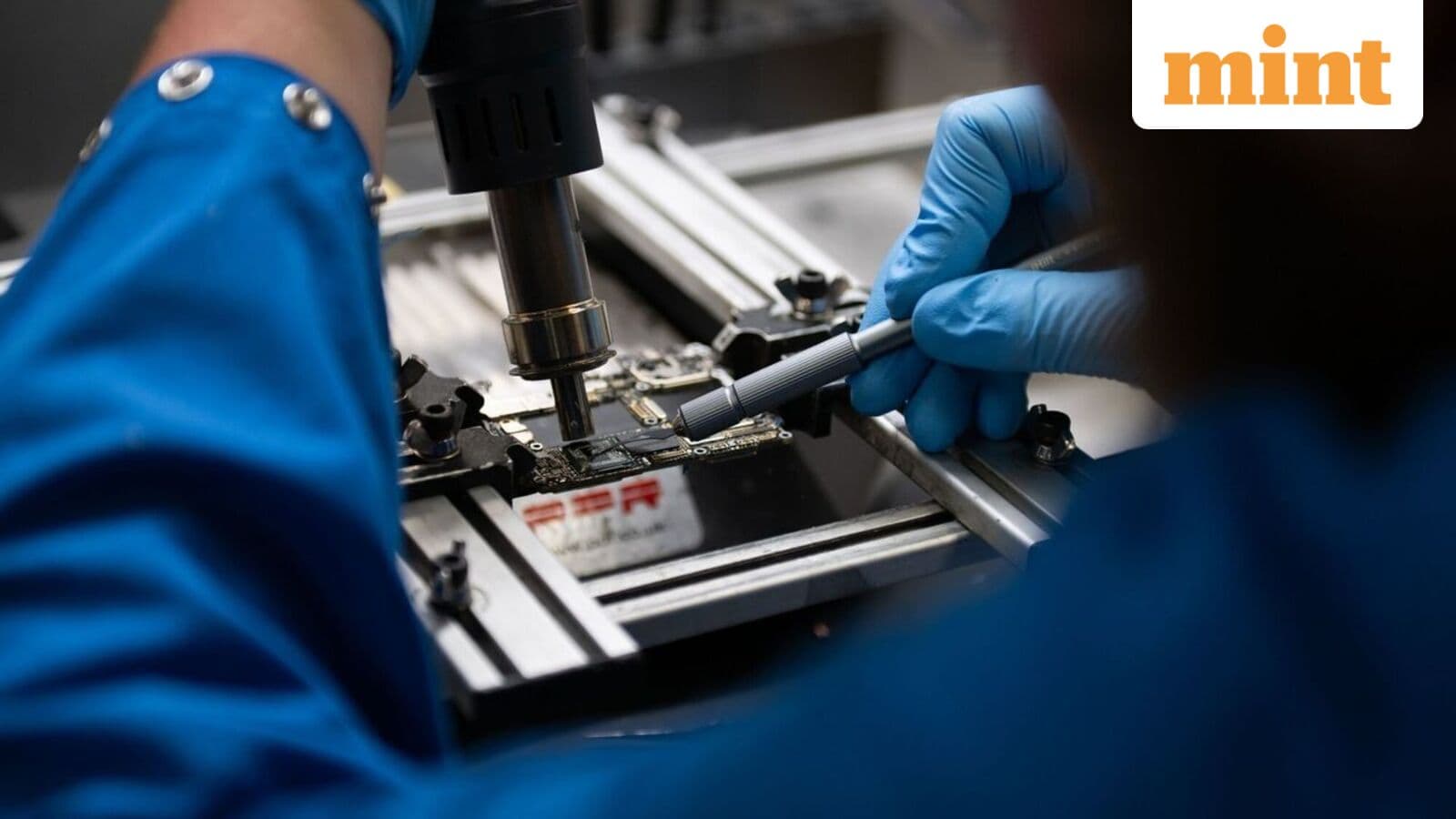
The European Union considers India a vital partner for semiconductor supply chain resilience. India's skilled talent pool makes it important for research and development efforts. Both nations agreed to deepen cooperation in advanced technology sectors. India's Semicon 2.0 program aims to boost its s
Key Insights
10 editorial insights.
The European Union has identified India as a crucial ally in enhancing semiconductor supply chain resilience, thanks to its vast skilled talent pool. This collaboration marks a significant shift in global semiconductor dynamics, as both regions deepen their cooperation in advanced technology sectors, particularly in research and development.
India's semiconductor landscape is evolving with significant emphasis on research and development (R&D). The country boasts a large pool of engineers and technical experts, which is critical for the design and manufacture of semiconductors. The EU's recognition of India as a strategic partner underscores the importance of leveraging India's capabilities in advanced semiconductor technologies, such as 5G chipsets and AI hardware, which are essential for next-generation applications.
In the broader industry context, the semiconductor market is witnessing a robust shift towards diversification of supply chains, particularly in the wake of recent global shortages. Major players, including Taiwan and South Korea, have dominated the market for decades, but the EU's strategic pivot towards India indicates a shift in trust and investment. Recent data shows that the global semiconductor market is projected to reach $1 trillion by 2030, with significant growth opportunities in emerging markets.
For India, this collaboration opens avenues for domestic companies such as Tata Electronics and Wistron to expand their operations in semiconductor manufacturing. Furthermore, initiatives such as India's Semicon 2.0 program aim to bolster local manufacturing capabilities and attract foreign investment, positioning India as a central hub in the global semiconductor ecosystem. The program focuses on creating a vibrant R&D environment, which will directly benefit tech startups and established firms alike.
Key Highlights
- EU identifies India as a key semiconductor collaboration partner
- India's talent pool strengthens semiconductor R&D capabilities
- Global semiconductor market expected to reach $1 trillion by 2030
- Indian manufacturers like Tata Electronics stand to gain significantly
- Expect increased investment in India's semiconductor initiatives by 2025
Real-World Impact
The immediate impact of this collaboration is expected to create thousands of jobs in semiconductor design and manufacturing across India. Roles in engineering, research, and project management will see increased demand as companies ramp up their R&D efforts. Industries such as electronics, telecommunications, and automotive will particularly benefit from a more robust local semiconductor supply chain.
Why This Matters
This collaboration signifies a larger shift towards creating a more resilient semiconductor supply chain that is less dependent on traditional powerhouses. For CTOs and developers, this means adapting to new technologies emerging from this partnership and leveraging the innovative solutions that will arise from India's expanding semiconductor capabilities.
As India continues to forge its path in the semiconductor industry, keeping an eye on the developments from the Semicon 2.0 program will be crucial. Future investments and partnerships are likely to reshape the tech landscape, making it an exciting space to watch.
Deep Analysis
Multi-Source Intelligence
Found this useful? Share it!