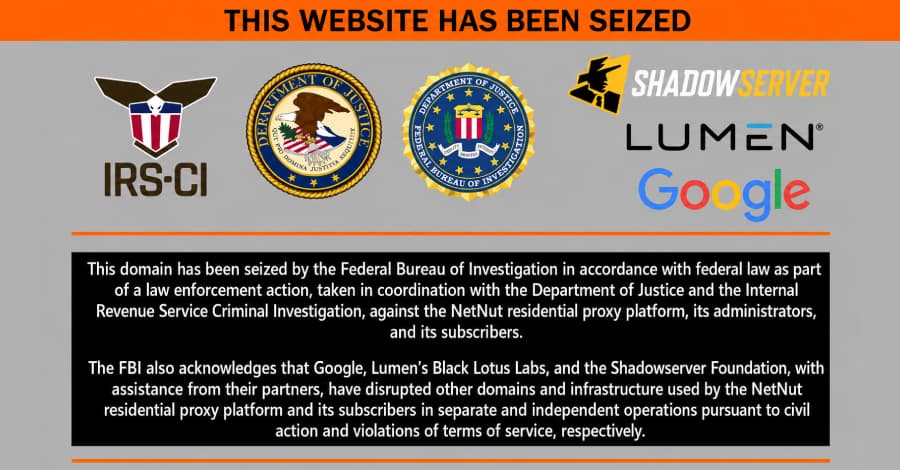
Google has significantly degraded NetNut, one of the biggest networks that turns home devices into rented relays for other people's traffic. Working with the FBI, Lumen, and others, Google's Threat Intelligence Group (GTIG) said this week it had reduced the network's pool of usable devices by millio
Key Insights
10 editorial insights.
Google's recent action against NetNut effectively dismantles a significant portion of its residential proxy network that utilized around two million home devices. This move not only curtails the misuse of personal internet connections for illicit activities but also sends a strong signal about Google's commitment to cybersecurity within its ecosystem, thereby enhancing user trust.
Key players in this operation included Google, the FBI, and Lumen Technologies, each contributing unique capabilities. Google’s Threat Intelligence Group spearheaded the initiative utilizing its vast data analytics and security resources, while Lumen’s telecommunications infrastructure provided the necessary reach to identify and mitigate the network's impact on internet traffic.
This development is strategically critical as it highlights the ongoing battle against cybercrime and the exploitation of residential networks. By targeting NetNut, Google demonstrates its proactive stance in safeguarding digital environments, potentially influencing other tech giants to adopt similar measures to protect their users and services.
The degradation of NetNut's services could lead to a ripple effect on businesses that rely on proxy networks for data scraping and competitive intelligence. Companies in sectors like e-commerce and marketing, which utilize such services for accessing competitor pricing, might face disruptions, increasing operational costs as they seek compliant alternatives.
Over the past 12-24 months, there has been a growing trend towards enhanced cybersecurity measures and stricter regulations on data privacy. This incident aligns with the broader movement of tech companies taking responsibility for the integrity of their platforms, highlighting the increasing importance of ethical practices in technology.
The market for proxy services, estimated to be worth around $1.5 billion and growing at a CAGR of 15%, faces potential contraction as companies reassess their strategies. The actions taken against NetNut may prompt a reevaluation of the viability of similar networks, affecting their growth trajectory and market penetration.
One primary risk arising from this situation is the potential for retaliation from cybercriminals who may seek alternative methods to exploit home networks. Furthermore, unresolved questions around the balance of user privacy and security enforcement remain, as this action may lead to wider scrutiny of legitimate users caught in the crossfire.
Competitors within the proxy service market are likely to respond by increasing their security measures and transparency with clients. Companies that provide similar services may also pivot toward more compliant offerings, ensuring their operations align with emerging regulatory standards to avoid similar crackdowns.
In the next 6-12 months, technology professionals should monitor regulatory shifts regarding data privacy and cybersecurity, especially as governments worldwide push for stricter rules. Additionally, the effectiveness of ongoing collaboration between tech companies and law enforcement could serve as a benchmark for future interventions.
For technology professionals and investors, the significance of this incident lies in the clear message that compliance and ethical practices are becoming paramount in the tech industry. As the landscape evolves, those who invest in secure and responsible technologies will likely emerge as leaders, driving innovation while maintaining user trust.
In a significant crackdown, Google has dismantled a massive network known as NetNut that exploited home devices as proxy relays for illicit traffic. This action, conducted in collaboration with the FBI and other stakeholders, underscores a growing concern over the misuse of personal devices and the implications for cybersecurity and data privacy.
The technical mechanism behind the NetNut network involved hijacking home routers and IoT devices, converting them into proxies that facilitated unauthorized data traffic. By leveraging a vast pool of compromised devices, attackers could obscure their origins, making it difficult for law enforcement to trace malicious activities. Google's Threat Intelligence Group employed advanced detection techniques to identify and reduce the number of active proxies, significantly curtailing the network's reach.
This development is part of a larger trend in the cybersecurity landscape where illicit proxy networks are on the rise. Companies like Lumen and various cybersecurity firms are racing to mitigate these threats, as such networks pose challenges not just for individual users but also for corporations that rely on secure internet traffic. The market for cybersecurity solutions has seen a marked increase, with analysts estimating growth rates of over 10% annually as businesses invest in better defensive measures.
In the Indian tech ecosystem, the impact of this crackdown is multifaceted. Local companies that provide internet services or deploy IoT devices may need to reassess their security protocols to prevent their devices from being co-opted into similar proxy networks. Furthermore, the rise of cybersecurity startups in India, focusing on device security, could see increased interest and investment as businesses recognize the need for robust defenses against such vulnerabilities.
Key Highlights
- Google has effectively dismantled the NetNut proxy network.
- The operation reduced the number of usable proxy devices by millions.
- The global cybersecurity market is projected to grow over 10% annually.
- Cybersecurity firms and internet service providers stand to benefit from increased demand.
- Expect ongoing developments in device security measures and collaborations between tech giants and law enforcement.
Real-World Impact
This operation affects a wide range of stakeholders, including network administrators, cybersecurity professionals, and everyday users whose devices could have been compromised. Roles that involve network security, IoT device management, and data privacy will see increased scrutiny and a demand for enhanced protective measures.
Why This Matters
This event represents a critical shift toward more stringent measures against cyber threats that exploit consumer devices. CTOs and developers should prioritize implementing strong security protocols and continuously monitor devices for unusual activity to prevent becoming unwitting participants in such networks.
As the digital landscape evolves, the fight against rogue proxy networks will intensify. One key aspect to watch is how legislation and technology will adapt to protect users from such vulnerabilities in the future.
Found this useful? Share it!