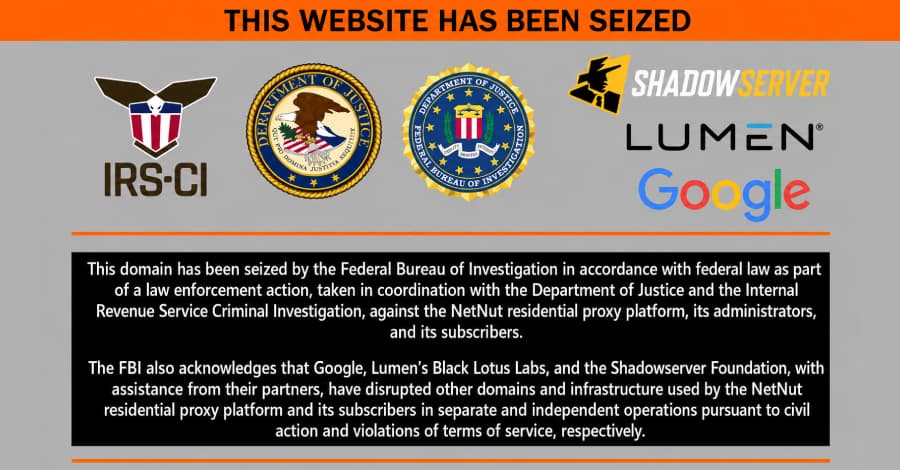
The tech giant said it disabled accounts and services used in NetNut-related malware command-and-control operations and shared technical intelligence on the group's infrastructure with law enforcement and industry partners to support broader enforcement efforts.
Key Insights
10 editorial insights.
Google's recent action to dismantle the NetNut proxy network, which was reportedly facilitating malware command-and-control operations, highlights the company's commitment to cybersecurity. This move not only disrupts malicious activities but also sets a precedent for how tech giants can leverage their resources to combat online threats effectively.
Key players in this situation include Google, known for its powerful cloud and security capabilities, and law enforcement agencies that are increasingly collaborating with tech firms. The partnership between technology companies and law enforcement is crucial as it enhances the ability to track and neutralize cybercriminal networks, which can often operate across international borders.
This development is strategically significant as it underscores the ongoing battle against cybercrime, particularly as businesses increasingly rely on cloud services. By taking decisive action against proxy networks like NetNut, Google is reinforcing the idea that tech companies must play an active role in safeguarding their platforms and the wider internet ecosystem.
The business impact of this action could be substantial, with potential ramifications for companies that utilize proxy services for legitimate purposes. Users and developers may face increased scrutiny and regulatory compliance pressures, as well as potential disruptions in service if similar networks are implicated in malware activities.
This incident ties into a broader trend observed over the last couple of years, where rising cyber threats have prompted stronger responses from tech giants. As organizations adopt more sophisticated technologies, the threat landscape has evolved, leading to a greater focus on combating malware and securing digital infrastructures.
The global cybersecurity market is projected to exceed $300 billion by 2024, with a compound annual growth rate (CAGR) of around 10%. The dismantling of networks like NetNut could indicate a shift in market dynamics, where companies may need to invest more in security measures to protect their assets from similar threats.
This action raises important questions about the resilience of existing proxy networks and the potential for retaliation from cybercriminals. As Google disables these services, there may be a rise in alternative, less secure networks that could emerge, posing additional risks to users and businesses.
Competitors in the cybersecurity space, such as Microsoft and Cisco, may respond by enhancing their own security offerings or engaging in similar collaborations with law enforcement. This could lead to a more competitive market, where firms are incentivized to innovate to provide better protection against malware.
In the next 6-12 months, it will be essential to monitor regulatory responses to such cybersecurity incidents, particularly as governments around the world tighten regulations on digital privacy and data protection. Potential legislation could impact how companies like Google operate and collaborate with law enforcement.
For technology professionals and investors, this incident underscores the critical importance of cybersecurity as a business imperative. Companies that prioritize robust security measures not only protect their assets but also enhance their reputations, making them more attractive to investors in a market increasingly focused on risk management.
Google has taken decisive action against the NetNut proxy network, known for facilitating malware operations. This move is critical as it addresses the growing concern over cyber threats leveraging proxy services, reinforcing the tech giant's commitment to online security and user safety.
The technical dismantling of the NetNut proxy network involved disabling accounts and services used for malware command-and-control operations. Google leveraged its extensive threat intelligence capabilities to analyze the infrastructure supporting NetNut. It identified malicious actors utilizing these proxies to execute attacks and manipulate data traffic. By sharing this intelligence with law enforcement and industry partners, Google aims to close the gaps that these cybercriminals exploit, thereby enhancing the security framework across the internet.
In the broader context, this development underlines a significant trend in the cybersecurity landscape, where tech giants are increasingly taking proactive measures against malware infrastructures. The competition among cybersecurity firms has intensified as they strive to offer comprehensive protection against sophisticated threats. The recent rise in cyberattacks, especially during the pandemic, has prompted companies to invest heavily in security technologies, with global spending expected to exceed $150 billion in the next few years.
In India, the impact of Google's actions on the tech ecosystem is noteworthy. With the rapid growth of digital services, Indian startups and enterprises are becoming prime targets for cybercriminals. Google's intervention not only protects its vast user base in India but also sets a precedent for local firms to prioritize cybersecurity measures. Companies in fintech and e-commerce, which rely heavily on user data, must now reassess their security protocols in light of these developments.
Key Highlights
- Google disabled accounts linked to malware activities in NetNut.
- Utilized advanced threat intelligence to identify and dismantle infrastructure.
- Cybersecurity spending expected to exceed $150 billion globally.
- Indian startups in fintech and e-commerce are set to benefit from enhanced security.
- Expect more collaborations between tech giants and law enforcement in cybersecurity.
Real-World Impact
The immediate effects of Google's intervention will be felt across various sectors, particularly in cybersecurity roles. Security analysts and engineers will see increased demand as organizations look to fortify their defenses. E-commerce platforms, financial services, and any data-centric industries are now under pressure to enhance their security frameworks to protect against similar threats.
Why This Matters
This action signifies a critical shift in how tech companies approach cyber threats, moving from reactive to proactive strategies. CTOs and developers should now prioritize building robust security features into their products, leveraging intelligence-sharing frameworks with industry leaders to stay ahead of evolving threats.
Looking ahead, the collaboration between tech giants and law enforcement will likely intensify, setting a new standard for cybersecurity practices. Keeping an eye on legislative changes in data protection will also be vital for companies navigating this landscape.
Found this useful? Share it!