Indian Phishing Toolkit for Microsoft 365 Raises Security Concerns
A new phishing-as-a-service (PhaaS) platform dubbed "ARToken" appears to operate as an affiliate of the EvilTokens phishing platform, giving researchers a glimpse into an extensive toolkit designed to compromise Microsoft 365. [...]
Key Insights
10 editorial insights.
The leak of the ARToken phishing toolkit signifies a serious escalation in the phishing-as-a-service landscape, particularly affecting Microsoft 365 users. This toolkit provides attackers with sophisticated methods to compromise accounts, highlighting the vulnerabilities present in widely-used platforms and raising immediate concerns for cybersecurity across industries.
Key players in this incident include the creators of the ARToken and EvilTokens platforms, which have gained notoriety for their advanced phishing capabilities. Their operations underscore a troubling trend where cybercriminals are increasingly organizing into affiliates, thereby enhancing the effectiveness and reach of their phishing campaigns, which can significantly disrupt businesses.
This development is strategically important as it represents a shift in the cyber threat landscape, with phishing becoming more accessible through these platforms. Organizations must now prioritize investments in cybersecurity measures, including multi-factor authentication and employee training, to mitigate risks associated with these evolving threats.
For businesses reliant on Microsoft 365, the emergence of ARToken poses substantial risks, potentially leading to financial losses and data breaches. Companies may face increased costs related to cybersecurity enhancements, incident response, and potential regulatory penalties if customer data is compromised due to phishing attacks.
This incident reflects a broader trend over the past 12-24 months, where phishing attacks have surged by over 60%, driven by the shift to remote work and increased reliance on digital communication. As organizations adopt cloud services, the attack surface has expanded, making them more susceptible to such threats.
In the cybersecurity market, which is projected to reach $345 billion by 2026, the rise of PhaaS platforms like ARToken emphasizes the growing sophistication of cyber threats. This growth indicates a pressing need for companies to bolster their defenses against increasingly advanced phishing schemes that can be executed at scale.
The primary risk stemming from this leak is the potential for widespread credential theft, which can lead to further attacks, such as ransomware. Additionally, unresolved questions remain regarding the effectiveness of current cybersecurity measures in combating the evolving tactics employed by these phishing affiliates.
Competitors in the cybersecurity space, including companies like CrowdStrike and Palo Alto Networks, will likely respond by enhancing their threat detection capabilities and promoting solutions that specifically address the vulnerabilities exposed by tools like ARToken. This could result in increased innovation and competition in the cybersecurity market.
In the next 6-12 months, significant regulatory milestones will likely emerge as governments worldwide tighten regulations around data protection and cybersecurity. Companies should monitor developments in legislation, such as the EU's Digital Services Act, which may influence how businesses approach cybersecurity strategies.
For technology professionals and investors, the leak of the ARToken toolkit underscores the urgent need to invest in robust cybersecurity solutions and training. As phishing attacks become more sophisticated, the demand for effective cybersecurity measures will only increase, presenting a lucrative opportunity for investors in the tech security sector.
A newly uncovered phishing-as-a-service platform named ARToken has emerged, allegedly linked to the notorious EvilTokens group. This revelation is critical as it exposes an advanced toolkit aimed at compromising Microsoft 365, highlighting the escalating sophistication of cyber threats that organizations face today.
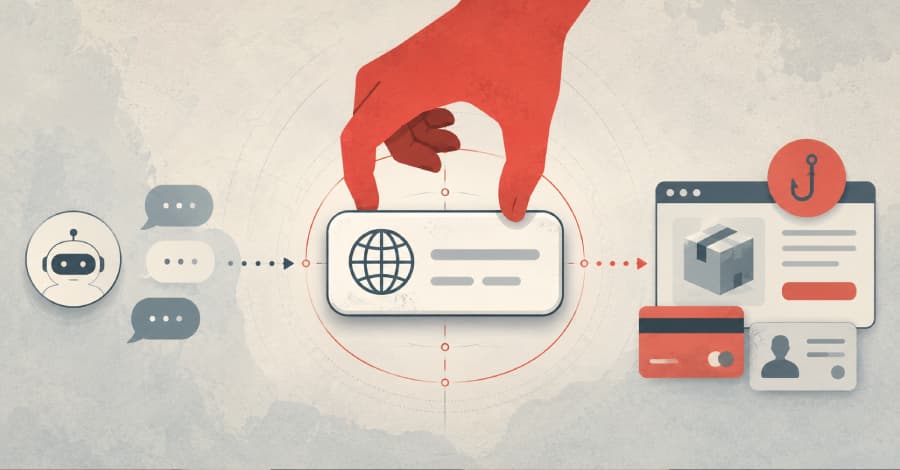
ARToken operates by providing a comprehensive toolkit for phishing attacks, specifically targeting Microsoft 365 users. This platform offers features such as customizable phishing pages and automated credential harvesting tools. The integration of API calls allows attackers to craft targeted emails that appear legitimate, leveraging social engineering tactics to deceive users. By exploiting vulnerabilities in the Microsoft 365 environment, the toolkit can effectively bypass traditional security measures, making it a formidable tool for cybercriminals.
The emergence of ARToken reflects broader trends in the cybersecurity landscape, particularly the rise of phishing-as-a-service models. These platforms enable even novice attackers to launch sophisticated phishing campaigns without extensive technical knowledge. The market for such services is booming, with estimates suggesting that the global phishing-as-a-service industry could reach billions in revenue. As traditional cybersecurity measures struggle to keep pace, companies are increasingly investing in advanced threat detection and response solutions to combat this growing threat.
In the Indian tech ecosystem, the impact of ARToken is significant, given the rapid adoption of cloud services like Microsoft 365 among businesses. Indian firms, particularly in sectors such as finance and IT, are prime targets for phishing due to the sensitive data they handle. The proliferation of such phishing tools may force Indian companies to rethink their cybersecurity strategies, prioritizing user education and the implementation of multi-factor authentication to mitigate risks associated with these advanced threats.
Key Highlights
- ARToken phishing toolkit unveiled, facilitating targeted attacks.
- Offers customizable phishing pages and automated credential harvesting.
- Phishing-as-a-service market projected to reach billions in revenue.
- Small and medium-sized enterprises may be most at risk.
- Expect increased investment in cybersecurity solutions over the coming months.
Real-World Impact
The immediate effects of ARToken's unveiling are already being felt across various job roles, particularly in IT security and risk management. Security analysts and SOC teams will need to be on high alert for potential phishing attempts, especially within industries dealing with sensitive information. This heightened threat level could lead to an increased demand for cybersecurity professionals and additional training for existing staff.
Why This Matters
This development signifies a strategic shift in how cybercriminals operate, moving towards more sophisticated and accessible tools for phishing attacks. CTOs and developers should reconsider their security protocols, focusing on proactive threat detection and enhanced user training. Implementing layered security measures will be crucial in safeguarding against these evolving threats.
Looking ahead, the proliferation of phishing-as-a-service platforms like ARToken is likely to fuel a continuous arms race in cybersecurity. Organizations should remain vigilant, monitoring for new threats and adapting their security frameworks accordingly.
Found this useful? Share it!