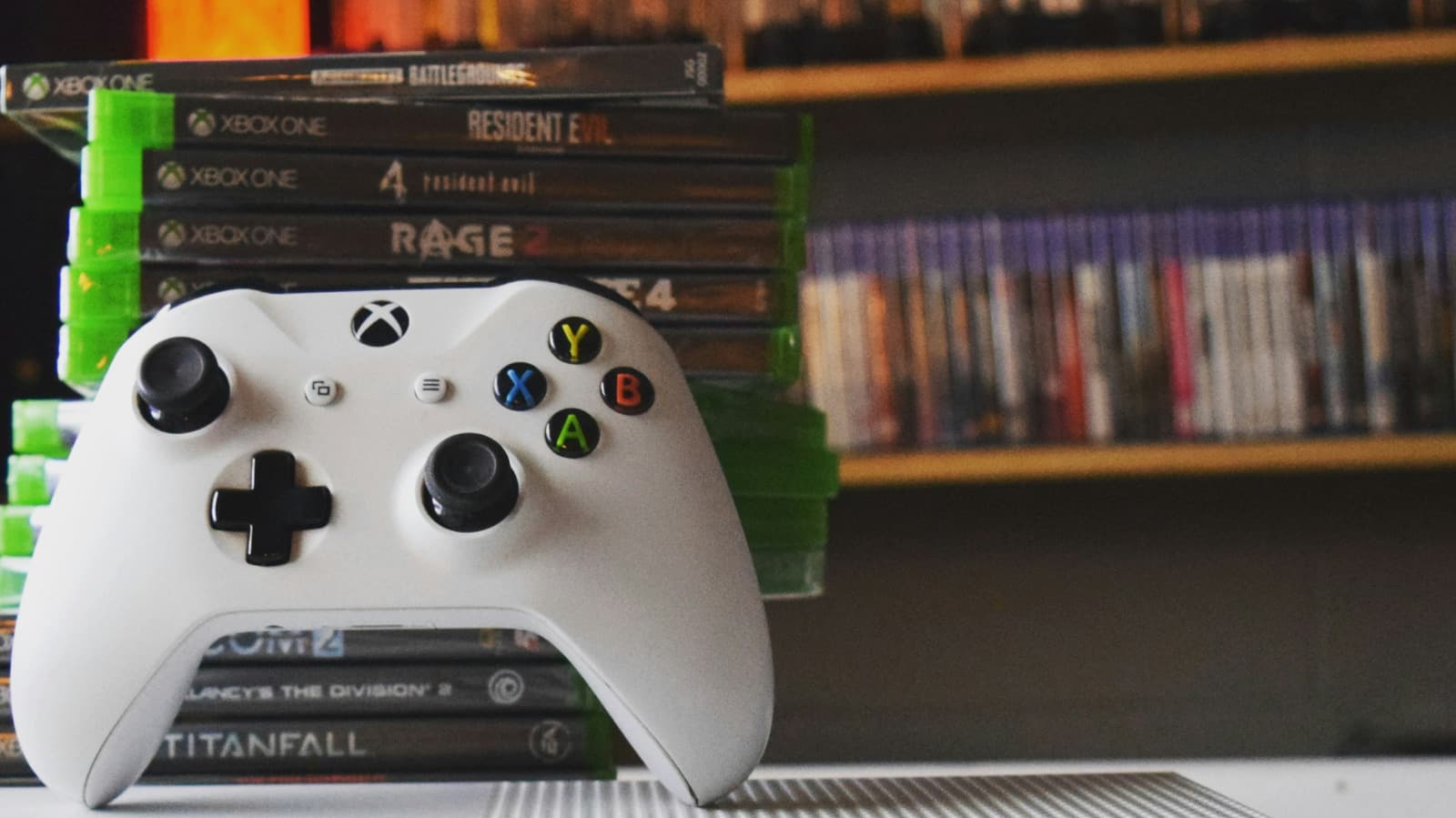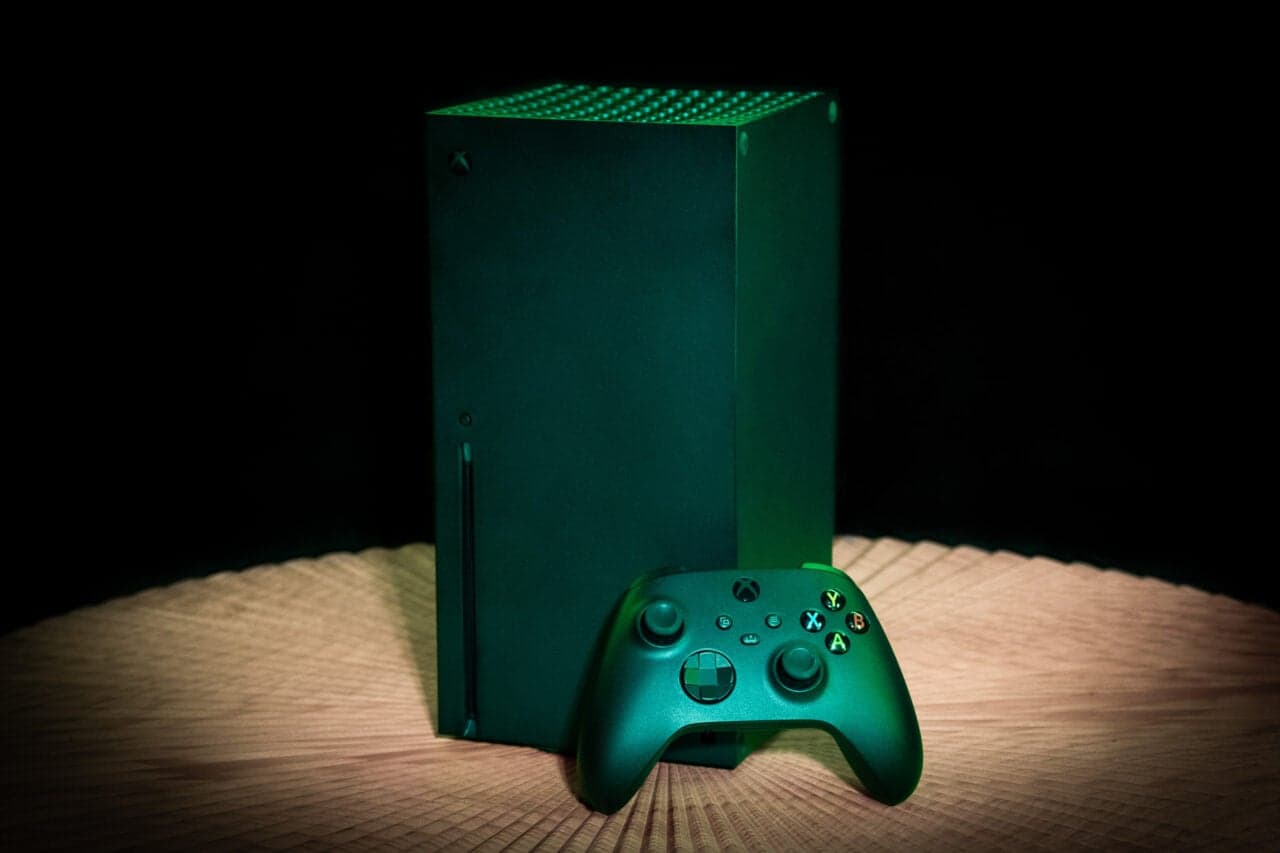
And it comes just when you thought you'd buy an Xbox to play 'GTA VI.'
Key Insights
10 editorial insights.
Microsoft has announced a price increase for Xbox consoles, a decision that could alienate budget-conscious gamers just as interest peaks for blockbuster titles like 'GTA VI.' This move raises questions about consumer loyalty and the long-term viability of Xbox's pricing strategy in an increasingly competitive market.
Key players include Microsoft and its Xbox division, which has been aggressively pursuing market share in the gaming industry. Their pricing decisions impact not just console sales but also the broader ecosystem, particularly competing platforms like Sony's PlayStation and emerging players like Valve's Steam Deck.
This price hike signals a strategic pivot for Microsoft, likely aimed at offsetting rising production costs and securing profit margins. As the gaming industry continues to prioritize high-quality content, maintaining financial health through pricing becomes critical amidst ongoing competition from cloud gaming and subscription services.
For consumers, this price increase may limit access to Xbox consoles, particularly for lower-income gamers. Additionally, developers might face pressure to adjust pricing of their games or microtransactions to align with the new console pricing, potentially impacting their sales strategies and revenue forecasts.
Over the past 12-24 months, there has been a notable trend of rising prices across the tech sector, spurred by inflation and supply chain disruptions. This price increase from Xbox reflects a broader industry shift towards higher consumer costs, which could shape purchasing behaviors and market dynamics going forward.
The gaming console market is projected to grow from approximately $51 billion in 2023 to $80 billion by 2027, highlighting significant revenue potential. Xbox's decision to increase prices could affect their share of this growing market, particularly if consumers turn to alternatives or delay purchases.
One primary risk associated with this price hike is the potential for decreased sales volume, which could undermine Xbox's market position. Additionally, unresolved consumer sentiment may lead to a backlash, prompting further scrutiny of Microsoft's pricing strategies in the competitive landscape.
Competitors like Sony and Nintendo may seize this opportunity to highlight their own pricing models or introduce promotions to attract gamers disillusioned by Xbox's increase. Such shifts could intensify competition and lead to price wars, impacting overall profitability across the industry.
Upcoming regulatory scrutiny on pricing practices in the gaming industry could arise, particularly if consumer backlash against Xbox's decision intensifies. Monitoring legislation regarding digital sales and monopolistic practices will be essential in understanding the future landscape of gaming pricing.
For technology professionals and investors, this development underscores the importance of adapting to market shifts and consumer sentiment. Analyzing how pricing strategies affect sales, market share, and brand loyalty will be crucial for making informed investment decisions in the gaming sector.
In a surprising move, Xbox has announced a significant price increase for its consoles and subscription services, stirring up concern among gamers. This change arrives just as anticipation builds for high-profile game releases such as 'GTA VI.' The implications of this price hike are profound, affecting not only players but also the broader gaming industry and market dynamics.
The technical aspects of Xbox's new pricing strategy reveal a blend of rising production costs and competitive pressures. The increase affects hardware pricing, including the Xbox Series X and Series S, alongside subscription services like Xbox Game Pass. These price adjustments are partly driven by inflation and supply chain disruptions that have impacted the gaming sector globally. Additionally, Xbox has invested heavily in cloud gaming technologies, which may require increased revenue to sustain ongoing development.
In the broader context of the gaming industry, this price increase comes as companies like Sony and Nintendo also face similar pressures. The gaming market has seen a trend of rising costs attributed to increased game development expenses and elevated consumer expectations for high-quality experiences. Recent data shows that console sales in India have been on the rise, but this price adjustment may deter new customers and impact market growth.
In India, the gaming ecosystem is blossoming, with local developers and startups entering the space rapidly. However, the recent Xbox price hike could negatively influence this growth by making consoles less accessible. Indian gamers may pivot towards mobile gaming or PC alternatives, potentially affecting sales for local developers and impacting the burgeoning eSports scene.
Key Highlights
- Xbox increases console and subscription prices significantly.
- New pricing reflects increased production and operational costs.
- Gaming console market in India expected to face slow growth due to higher prices.
- Local gamers may shift to mobile gaming, benefiting that sector.
- Watch for potential reactions from competitors like Sony and Nintendo.
Real-World Impact
The immediate effects of this price increase will be felt across various sectors of the gaming industry. Gamers, particularly those in entry-level income brackets, may find consoles less affordable, which could lead to a decline in hardware sales. Retailers, game developers, and eSports organizations may also experience a ripple effect, as fewer console sales could translate to reduced revenue in the ecosystem.
Why This Matters
This price increase signifies a larger shift in the gaming industry towards premium pricing models amid rising operational costs. For CTOs and developers, this means re-evaluating pricing strategies and considering the long-term sustainability of game development. Adapting to changing consumer expectations while innovating cost-effective solutions will be crucial in maintaining competitiveness.
As the gaming landscape shifts, the real test will be how competitors respond to Xbox's price adjustments. Keeping an eye on player sentiment and sales trends over the coming months will be essential for understanding the future trajectory of the gaming market.
Found this useful? Share it!