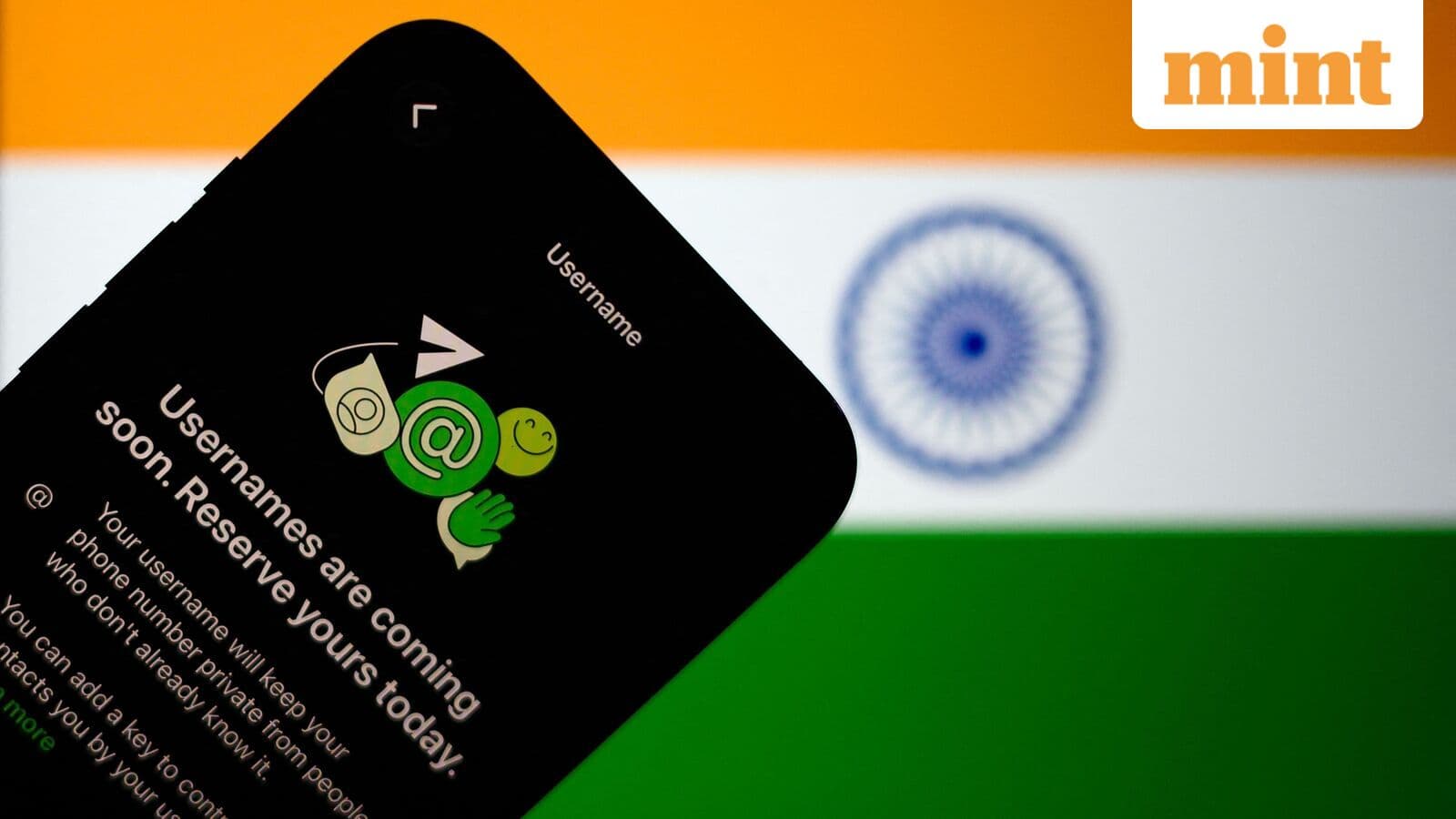
As digital platforms evolve in India, the way people identify themselves online is clearly changing too. WhatsApp's move towards usernames is more than a feature update.
Key Insights
10 editorial insights.
WhatsApp's introduction of verified handles marks a pivotal shift in digital identity management in India. This feature aims to enhance user trust in communications, yet it raises questions about privacy and security. As the digital landscape evolves, understanding the implications of these changes is crucial for users and businesses alike.
WhatsApp is rolling out verified handles, allowing users to authenticate their identities within the platform. This feature leverages a combination of phone number verification and profile checks to ensure that users can confidently engage with verified accounts. By enabling this mechanism, WhatsApp aims to reduce impersonation and fraud, providing a safer environment for its vast user base. The underlying technology involves secure verification processes similar to those used in other platforms, but tailored to WhatsApp's unique messaging infrastructure.
This initiative comes amidst increasing competition in the messaging app space, with rivals like Telegram and Signal also enhancing their verification protocols. As of 2023, WhatsApp commands a significant share of the Indian messaging market with over 500 million users, making any shifts in its features particularly noteworthy. Market trends indicate a growing demand for secure communication channels, pushing platforms to innovate rapidly. With the rise of misinformation, verified handles could become a standard, reshaping user expectations across the board.
In India, the tech ecosystem stands to be significantly impacted by WhatsApp's move. Businesses, particularly in e-commerce and customer service sectors, can leverage verified handles to establish credibility with consumers. Startups focusing on digital identity and cybersecurity are also likely to benefit, as companies seek solutions to protect their online reputations. This development aligns with the Indian government's push for digital trust, possibly influencing regulatory frameworks surrounding online communications.
Key Highlights
- WhatsApp introduces verified handles to enhance user security.
- Utilizes phone number verification and profile checks for authenticity.
- Over 500 million WhatsApp users in India present vast market potential.
- Businesses and startups in India are set to gain from this trust enhancement.
- Future updates may expand these features to include more identity verification options.
Real-World Impact
Immediate effects of this change will be felt by customer service representatives and digital marketers who rely on trust to engage with clients. Industries like e-commerce and fintech will need to adapt their communication strategies to incorporate verified handles, ensuring customer confidence in online transactions.
Why This Matters
This transition signifies a larger shift towards accountability in digital interactions, pushing platforms to prioritize user safety. CTOs and developers should consider implementing robust identity verification processes in their applications to align with rising user expectations for security and trust.
As WhatsApp continues to refine its features, the next step to watch will be the potential expansion of identity verification processes, which may influence how businesses communicate with users. This evolution could set new standards for digital interactions in India.
Deep Analysis
Multi-Source Intelligence
Found this useful? Share it!