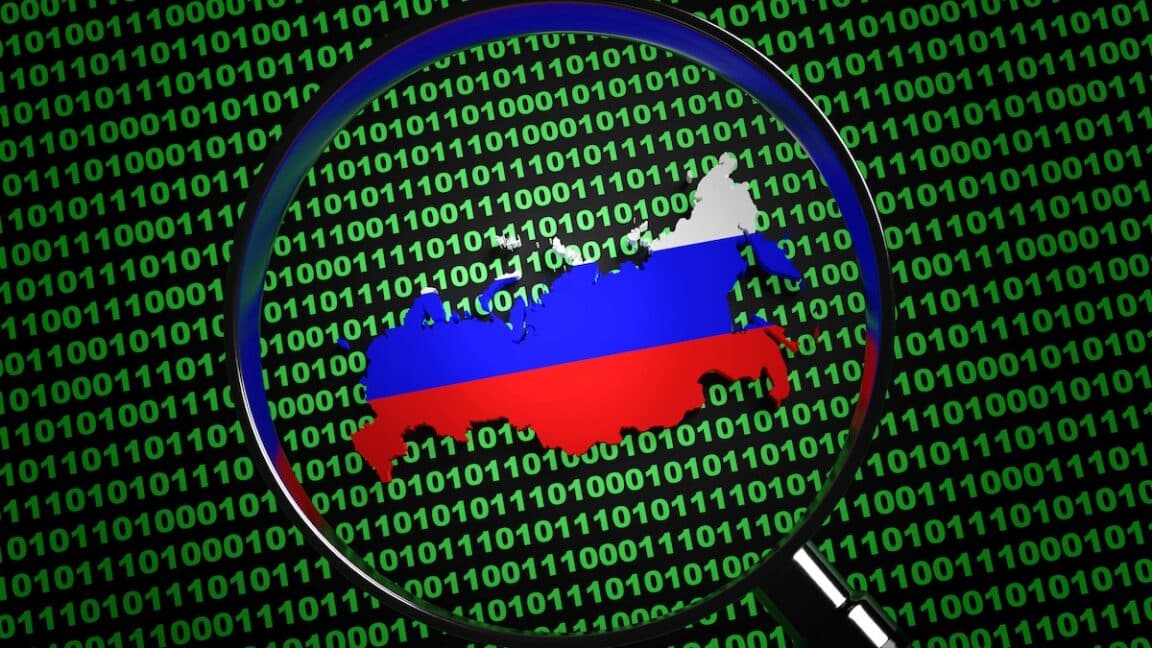
Operation by two Russia-state groups has been ongoing since at least March.
Key Insights
10 editorial insights.
The U.S. government's offer of $10 million for information on the hacking groups targeting Signal and WhatsApp highlights a critical cybersecurity threat that has been escalating since March. This action underscores the increasing urgency to protect user privacy and secure communication platforms from state-sponsored cyber attacks, which can undermine public trust in these essential services.
The primary actors in this situation are Russian state-sponsored hacking groups, which have gained notoriety for their sophisticated methods of infiltrating secure communication platforms. Their involvement signifies a broader geopolitical strategy aimed at destabilizing Western digital infrastructure, making it crucial for tech companies to enhance their cybersecurity measures against such threats.
This development is strategically important as it reflects an emerging pattern of state-sponsored cyber activities that are increasingly targeting consumer communication tools. The implications for the tech industry are significant, as companies like Signal and WhatsApp may need to invest heavily in security upgrades and user education to mitigate risks and maintain their user bases.
For companies like Signal and WhatsApp, the hacking spree could lead to substantial financial repercussions, including increased costs for security enhancements and potential loss of users due to compromised trust. Developers may also face pressure to innovate more secure protocols, impacting timelines and budgets, while end users might experience service disruptions as companies scramble to enhance security.
Over the past 12-24 months, there has been a noticeable increase in cyber attacks targeting communication platforms, reflecting a broader trend of heightened activity in the cybersecurity landscape. This development may catalyze a shift in market priorities towards more robust security features, driving competition among platforms to offer the safest options for users.
The global cybersecurity market is projected to grow from approximately $150 billion in 2021 to over $300 billion by 2026, indicating a doubling of demand for security solutions. This increase can be attributed to the rising frequency of cyber threats, including those from state-sponsored actors, emphasizing the need for continual investment in defense mechanisms across all digital communication platforms.
This situation raises several risks and challenges, including the potential for further targeted attacks on other communication platforms and the difficulty in tracking and prosecuting state-sponsored hackers. Additionally, unresolved questions about how to balance user privacy with security measures will continue to complicate the landscape for tech developers and policymakers alike.
In response to these developments, competitors in the communication sector may ramp up their security measures and publicly communicate their commitment to user safety. Companies like Telegram or Viber could leverage this opportunity to differentiate themselves by enhancing their security protocols, potentially attracting users concerned about the integrity of their communications.
Key technical and regulatory milestones to watch in the next 6-12 months include potential legislative actions in the U.S. aimed at strengthening cybersecurity laws and regulations. Additionally, industry-wide standards for encryption and data protection may evolve, influencing how companies like WhatsApp and Signal structure their offerings moving forward.
For technology professionals and investors, the ongoing cyber threat landscape signifies a critical area for future investment and innovation. Understanding the implications of state-sponsored hacking on user behavior and market dynamics will be essential for making informed decisions, as the focus on cybersecurity will likely shape the tech industry's trajectory in the coming years.
The US government has announced a substantial $10 million reward aimed at gathering intelligence on Russian state-sponsored cyber groups targeting popular messaging platforms Signal and WhatsApp. This development underscores escalating cybersecurity threats that could impact millions of users and highlights the increasing importance of digital privacy amid geopolitical tensions.
The ongoing cyber operations by Russian state-backed groups have been documented since at least March, leveraging sophisticated techniques to compromise the security of messaging applications. These groups are known for exploiting vulnerabilities within the software architecture, potentially using advanced malware and social engineering tactics. Signal and WhatsApp, both lauded for their end-to-end encryption, face challenges as adversaries look for loopholes in their security frameworks, making this a critical area of focus for cybersecurity professionals.
In the broader tech landscape, the push for enhanced security measures reflects a growing trend in the industry, where companies are increasingly prioritizing user data protection. Competitors in the messaging space, such as Telegram and WeChat, are also under scrutiny as cyberattacks proliferate. The market is witnessing a shift towards more robust security solutions, with businesses investing heavily in cybersecurity infrastructure to safeguard user information, indicating a potential boon for security tech firms.
In India, the implications of these cybersecurity threats are particularly profound, given the country’s burgeoning digital economy and a substantial user base on platforms like WhatsApp. Indian tech companies and app developers must acknowledge these threats and enhance their security protocols to protect users. Moreover, with the Indian government’s emphasis on digital sovereignty, local firms may find themselves under pressure to innovate and develop secure communication solutions that can withstand similar attacks.
Key Highlights
- US government introduces a $10 million reward for hacker intel
- Focus on vulnerabilities in Signal and WhatsApp's encryption technologies
- Growing investment in cybersecurity with a projected 15% market growth
- Security firms positioned to benefit from increased demand for solutions
- Expect heightened scrutiny and regulatory developments in cybersecurity
Real-World Impact
Cybersecurity professionals, software engineers, and app developers are on alert as the threat landscape evolves with state-sponsored hacking. Industries reliant on secure communication, such as finance and healthcare, will feel immediate effects as they evaluate their security protocols. Users of messaging apps may also experience heightened awareness and changes in privacy policies as platforms respond to these threats.
Why This Matters
This move represents a significant shift in how governments perceive and respond to cyber threats, emphasizing the need for proactive measures in cybersecurity. CTOs and developers should reassess their security strategies, ensuring that encryption and user data protection remain paramount. The situation calls for constant vigilance and adaptation to emerging threats in the digital space.
As cyber threats continue to evolve, the focus on securing messaging platforms is expected to intensify. Stakeholders should keep an eye on potential regulatory changes and technological advancements in encryption methods as a response to these challenges.
Found this useful? Share it!