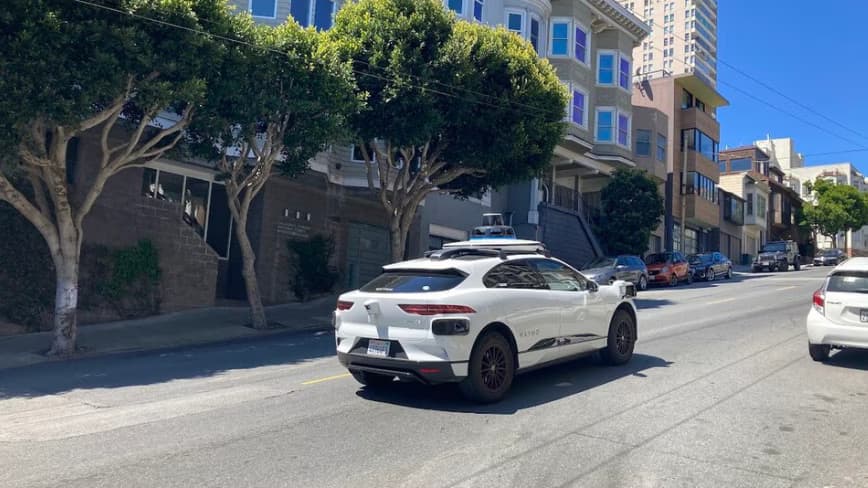
The Trump administration’s Department of Transportation proposed on Wednesday removing the federal requirement for brake pedals in vehicles designed to be driven exclusively by automated driving systems. The rule change, if adopted, would eliminate one of the largest remaining regulatory barriers fo
Key Insights
10 editorial insights.
The Trump administration's Department of Transportation has proposed eliminating the brake pedal requirement for fully autonomous vehicles, which could significantly accelerate the deployment of self-driving technology. This move indicates a shift towards deregulation that prioritizes innovation and may streamline the path for companies like Waymo and Tesla to launch more advanced autonomous systems without traditional hardware constraints.
Key players in this space include prominent automotive and technology firms such as Tesla, Waymo, and GM, all of which have invested heavily in autonomous driving technologies. Their influence is critical as they push for regulatory changes that align with their technological capabilities and market strategies, potentially reshaping the landscape of transportation over the next decade.
This regulatory shift is strategically important because it reduces barriers to market entry for fully autonomous vehicles, which could lead to a faster rollout of self-driving cars. By removing requirements that may be seen as outdated, the industry can focus more on innovation and safety measures relevant to modern technologies.
For companies developing autonomous vehicles, the proposed change could lead to substantial cost reductions as they can eliminate costly components like brake pedals. This will likely enhance the profitability of these companies and may also lower prices for consumers, thereby increasing adoption rates of self-driving technology.
This development aligns with a broader trend in the automotive industry towards increasing automation and electrification, evidenced by a 40% increase in investment in autonomous vehicle technologies over the past two years. As companies aim to capture market share in an evolving landscape, regulatory changes like this could be pivotal in determining leaders in the autonomous vehicle market.
The global autonomous vehicle market is projected to reach approximately $60 billion by 2030, growing at a CAGR of 22% from 2023. Such significant growth underscores the importance of regulatory frameworks that can keep pace with technological advancements, as delays could hinder potential market expansion.
However, this move introduces risks related to safety and public perception, as the absence of brake pedals may raise concerns about the reliability of autonomous systems. Questions remain about how this regulatory change will affect consumer trust and whether manufacturers will be held accountable for potential failures in automated driving.
Competitors in the automotive and tech sectors, particularly traditional automakers like Ford and Volkswagen, may respond by accelerating their own autonomous initiatives to remain competitive. Additionally, companies that have focused on safety features may need to recalibrate their strategies to address the new regulatory environment and public concerns.
In the next 6-12 months, critical milestones to watch include potential public comments and feedback on the proposed rule, as well as any responses from safety advocacy groups. Moreover, the implementation timeline for these regulatory changes will be essential in determining how quickly the industry can pivot towards new designs and technologies.
For technology professionals and investors, this regulatory proposal signals a pivotal moment in the evolution of the automotive industry, where innovation may increasingly outpace regulation. Understanding the implications of such changes will be crucial for strategic planning, investment decisions, and assessing the risks and opportunities within the autonomous vehicle sector.
The recent proposal from the U.S. Department of Transportation could dramatically reshape the landscape for autonomous vehicles by potentially eliminating federal mandates for brake pedals in fully automated cars. This regulatory shift is crucial as it opens the door for faster advancements in the autonomous vehicle sector, addressing one of the last significant barriers to widespread deployment.
The proposed change revolves around vehicles equipped solely with automated driving systems. By removing the brake pedal requirement, manufacturers can design vehicles without traditional controls, focusing instead on sophisticated software and sensor technologies. This could lead to a more streamlined vehicle design, enabling better integration of AI systems that interpret data from various sensors, making real-time driving decisions without human input.
In a broader context, this regulatory shift aligns with global trends toward increased automation in the automotive industry. Several key players, including Tesla and Waymo, have been at the forefront of developing autonomous technologies. The potential relaxation of regulations may spur greater investment and innovation, as companies can now focus on software and hardware integration without the constraints of outdated regulatory frameworks.
For the Indian tech ecosystem, this development is particularly relevant as the country seeks to enhance its capabilities in autonomous technology. Companies like Ola and Mahindra are investing in self-driving technologies. As regulations evolve in more developed markets, Indian firms may leverage these advancements, adapting their approaches and potentially collaborating with global leaders to localize solutions that meet Indian market demands.
Key Highlights
- U.S. proposes removal of brake pedal requirement for autonomous vehicles
- Focus on advanced AI and sensor technologies as vehicles go pedal-free
- Potential for exponential growth in the autonomous vehicle market
- Tech startups and manufacturers in India can leverage these changes
- Next steps include public consultations and rule implementations in the coming months
Real-World Impact
The immediate effects of this regulatory change could be felt across various roles in the automotive sector, including engineers, software developers, and regulatory compliance teams. Companies focused on AI-driven technologies will see increased demand for talent that can innovate within the new regulatory framework, especially in the design and development of autonomous vehicles.
Why This Matters
This proposal signifies a major shift toward modernization in automotive regulations, indicating a move away from traditional vehicle designs. CTOs and developers should prepare for rapid advances in vehicle automation and consider new strategies for integrating AI technologies into their products. This could also encourage more partnerships between tech firms and automotive manufacturers.
As this regulatory change unfolds, it will be important to watch how quickly the industry adapts to these new guidelines and what innovations emerge from this environment. Ongoing developments in regulatory frameworks will likely influence the pace of autonomous vehicle deployment worldwide.
Found this useful? Share it!