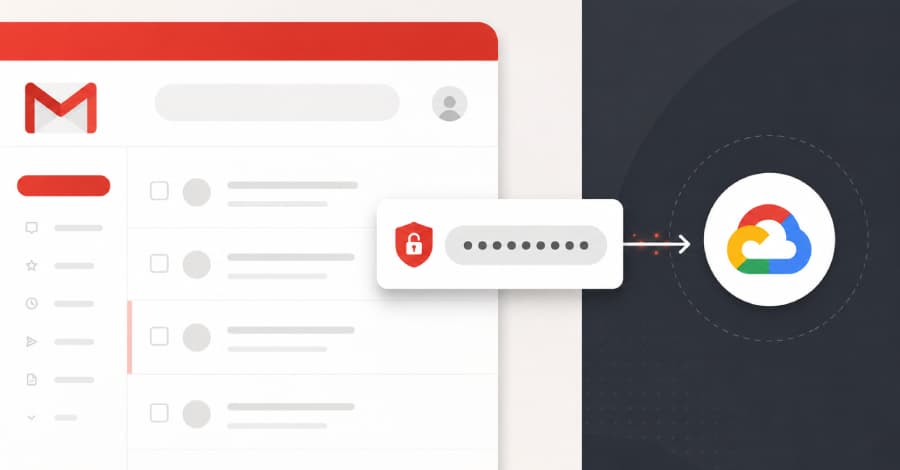
The threat actor known as ToddyCat has been attributed to a new malware called Umbrij that's designed to gain surreptitious access to a victim's email correspondence via the Google API. "In this campaign, the attackers focused their attention on corporate email communications hosted on Gmail, target
Key Insights
10 editorial insights.
The emergence of Umbrij malware exploiting OAuth vulnerabilities marks a significant escalation in cyber threats targeting corporate email systems, particularly Gmail. This tactic allows attackers to bypass traditional security measures, raising alarms about the integrity of sensitive communications and the effectiveness of existing authentication protocols.
ToddyCat, the threat actor behind Umbrij, is a notable player in the cybercriminal landscape, having previously executed sophisticated phishing campaigns. Their ability to leverage OAuth vulnerabilities indicates a high level of technical skill, which poses a serious risk to organizations that rely heavily on Google Workspace for their email communications.
This incident highlights the increasing sophistication of cyber threats and the urgent need for improved security measures within the industry. With more organizations adopting cloud-based services, the reliance on APIs creates vulnerabilities that attackers can exploit, underscoring a critical flaw in the current security frameworks.
Businesses, particularly those using Google Workspace for corporate communications, face significant risks from Umbrij malware. The potential for data breaches could lead to financial losses, reputational damage, and regulatory fines, making it imperative for organizations to reassess their security protocols and employee training programs.
The rise of sophisticated malware like Umbrij aligns with the broader trend of increasing cyberattacks targeting remote work infrastructures. Over the last 12-24 months, organizations have seen a 50% increase in phishing attacks, reflecting the growing importance of securing digital communications in a hybrid work environment.
The global market for cybersecurity services is projected to reach $345.4 billion by 2026, growing at a CAGR of 10.2%. As threats like Umbrij emerge, companies will likely increase their cybersecurity budgets, emphasizing the need for innovative solutions to protect against evolving threats.
The emergence of Umbrij raises concerns about OAuth security and the potential for similar attacks targeting other platforms. Organizations must grapple with the challenge of securing user permissions without sacrificing user convenience, raising questions about the adequacy of current regulatory frameworks.
Competitors in the cybersecurity space, such as CrowdStrike and Palo Alto Networks, are likely to respond by enhancing their threat detection and response capabilities. Additionally, companies may begin developing more robust API security solutions to address vulnerabilities highlighted by the Umbrij malware incident.
In the next 6-12 months, organizations should monitor potential regulatory changes regarding data privacy and cybersecurity standards, especially in light of increasing cyber threats. Key milestones may include new guidelines from the FTC or GDPR adjustments that require stricter security protocols for email and API access.
For technology professionals and investors, the implications of the Umbrij malware incident are profound, signaling the urgent need for innovation in cybersecurity solutions. Investors should consider backing companies that are focused on developing advanced threat detection technologies, as organizations increasingly prioritize security in their operational strategies.
A new malware dubbed Umbrij has emerged, enabling attackers to infiltrate Gmail accounts through a vulnerability in the OAuth API. This breach, attributed to the group ToddyCat, raises significant concerns about the security of corporate email communications, particularly as more businesses rely on cloud-based solutions.
Umbrij malware operates by exploiting weaknesses in the OAuth API, a common authorization framework used by various applications to access user data without needing passwords. The malware gains stealthy access to email correspondence, allowing attackers to monitor sensitive communications. By leveraging OAuth tokens, the malware can bypass conventional security measures, making detection challenging for users and security systems alike.
From a broader industry perspective, this incident underscores a growing trend of targeted attacks on cloud services. As enterprises migrate to platforms like Google Workspace, the threat landscape shifts accordingly. Competitors are ramping up their security features, but this incident highlights the ongoing vulnerabilities that organizations must address to protect their digital assets effectively.
In the Indian tech ecosystem, companies heavily utilizing Gmail for business communications may find themselves at risk. Startups and established firms alike should evaluate their cybersecurity strategies, especially in light of this incident. The growing reliance on SaaS solutions means that Indian developers and IT professionals must stay vigilant regarding emerging threats and ensure that robust security protocols are in place.
Key Highlights
- ToddyCat's Umbrij malware exploits OAuth vulnerabilities
- Targets corporate Gmail accounts through stealthy access methods
- The rise of cloud-based communication increases vulnerability exposure
- Businesses with strong security measures will be less impacted
- Expect heightened emphasis on OAuth security updates in tech solutions
Real-World Impact
The emergence of Umbrij malware is a wake-up call for IT managers, security analysts, and corporate compliance officers. Job roles that involve managing email security and data protection are now under increased scrutiny as organizations assess their vulnerability to such targeted attacks. Industries reliant on email for sensitive communications, such as finance, healthcare, and technology, could face significant risks if proactive measures are not implemented.
Why This Matters
This incident signifies a crucial shift in the threat landscape, illustrating that even well-established security frameworks like OAuth are not foolproof. CTOs and developers must reassess their security protocols and consider implementing additional layers of protection. Adopting best practices in access management and regular security audits will be essential to mitigate risks associated with cloud services.
As the cybersecurity landscape continues to evolve, it’s vital to monitor developments regarding OAuth and related security vulnerabilities. Organizations should prioritize securing their cloud environments to stay ahead of emerging threats and protect valuable data.
Found this useful? Share it!