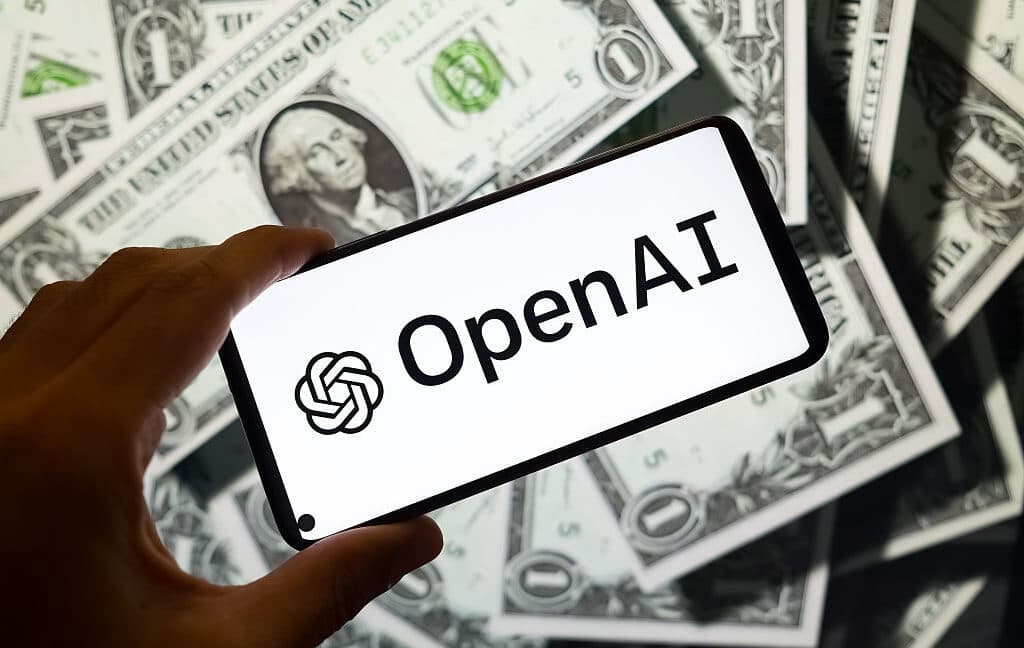
The Bank for International Settlements warned on Sunday that an AI investment bust could hit credit markets with disruption comparable to the 2008 financial crisis. In its annual report, the Basel-based institution listed AI-led risks alongside inflation and fiscal stress as “pressure points” that “
Key Insights
10 editorial insights.
The Bank for International Settlements (BIS) has raised alarms about a potential downturn in AI investments, signaling that such a bust could disrupt credit markets akin to the 2008 financial crisis. This warning highlights the fragility of the current AI investment landscape, where speculation and rapid growth could lead to significant financial repercussions if not managed prudently.
Key players in the AI sector, such as OpenAI, Google, and Microsoft, are heavily invested in AI technologies, which makes their financial stability crucial for the broader market. Their investments have driven the market to a valuation exceeding $1 trillion, making any downturn not just a tech issue but a systemic financial risk impacting banks and investors globally.
The BIS's caution regarding AI investments underscores the strategic importance of sustainable growth in the tech sector. As AI becomes intertwined with various industries, ensuring that investments are grounded in realistic projections will be essential to avoid repeating the mistakes of past financial bubbles, thereby stabilizing both the tech and credit markets.
If an AI investment bust occurs, companies like NVIDIA and AMD, which supply critical hardware for AI applications, could see their revenues drastically decline. This would ripple through the supply chain, affecting developers who rely on these technologies, and ultimately lead to increased costs and reduced innovation for end users.
Over the past 12-24 months, there has been a surge in AI investments, with venture capital funding reaching around $40 billion in 2022 alone. This aggressive funding has led to inflated valuations and expectations, creating a precarious environment where any shift in sentiment could trigger a market correction reminiscent of the 2008 crisis.
The primary risks associated with a potential AI downturn include over-leveraged investments and a lack of regulatory oversight, which could exacerbate market volatility. Unresolved questions about the long-term viability of AI technologies and the sustainability of their growth only add to the uncertainty, making it imperative for stakeholders to be cautious.
Competitors in the tech space, particularly those in adjacent markets like cloud computing and data analytics, may respond by tightening their investment strategies and focusing on core products. Companies such as Amazon Web Services may pivot to emphasize profitability over growth in AI, possibly leading to a consolidation of resources and innovation.
In the next 6-12 months, key regulatory milestones to watch include potential frameworks for AI governance that could emerge as governments respond to the BIS's warnings. Developments in data privacy laws and ethical AI guidelines will also be critical as they could reshape how companies approach AI investments and operations.
For technology professionals and investors, the BIS's warning serves as a wake-up call to reassess risk management strategies in AI investments. Understanding the interconnectedness of AI and credit markets will be essential for making informed decisions, as the implications may extend beyond the tech sector into broader economic stability.
Ultimately, this situation highlights the need for a balanced approach to AI investment, ensuring that growth is matched by a robust understanding of potential risks. Investors and tech leaders must prioritize long-term value creation over short-term gains to foster a resilient AI market that contributes positively to the economy.
The Bank for International Settlements (BIS) has raised alarms over potential disruptions in credit markets triggered by a downturn in AI investments. This warning comes as the global economy grapples with multiple stress factors, making it imperative for stakeholders to assess the implications of such a scenario.
The BIS report emphasizes that risks associated with artificial intelligence investments could destabilize financial markets, similar to the repercussions seen during the 2008 financial crisis. Key contributors to this risk include overvaluation of AI startups, potential operational failures, and a lack of regulatory frameworks to manage such high-stakes technologies. The rapid pace of AI advancements often outstrips the ability of financial institutions to understand their implications fully, thus creating vulnerabilities.
In the broader industry context, the AI sector has witnessed exponential growth, with investments skyrocketing in recent years. Major players like Google, Microsoft, and emerging startups have been racing to capture market share in AI technology. However, a sudden pullback in AI funding could lead to a ripple effect, impacting not just tech companies but also industries reliant on AI solutions, including finance, healthcare, and manufacturing.
Focusing on the Indian tech ecosystem, the potential fallout from an AI investment downturn could be significant. Companies like Infosys and TCS, which are heavily investing in AI capabilities, may face funding challenges. Furthermore, Indian startups in the AI space might struggle to secure investment, affecting innovation and job creation in a sector that is crucial for India’s digital economy.
Key Highlights
- BIS releases a report highlighting AI investment risks.
- Report identifies AI alongside inflation and fiscal stress as major risks.
- Potential credit market disruptions could mirror 2008 crisis dynamics.
- Established firms and agile startups stand to gain by adapting quickly.
- Watch for regulatory changes in response to market vulnerabilities.
Real-World Impact
Immediate effects of the BIS warning could include job roles in AI startups facing layoffs or funding cuts. Industries such as fintech and health tech that rely heavily on AI solutions may also experience slowdowns, leading to reduced hiring and innovation. Developers focused on AI applications might need to pivot their projects or seek opportunities in more stable sectors.
Why This Matters
This warning underlines a larger shift towards recognizing the interconnectedness of technology and finance. Technology leaders, including CTOs, should prioritize understanding the financial ramifications of their innovations and consider risk assessment as a core part of their decision-making processes. A proactive approach to regulatory compliance will also be essential.
As the situation develops, stakeholders should keep an eye on regulatory responses to AI investment trends. The evolving landscape will demand agility from companies as they navigate potential market corrections.
Found this useful? Share it!