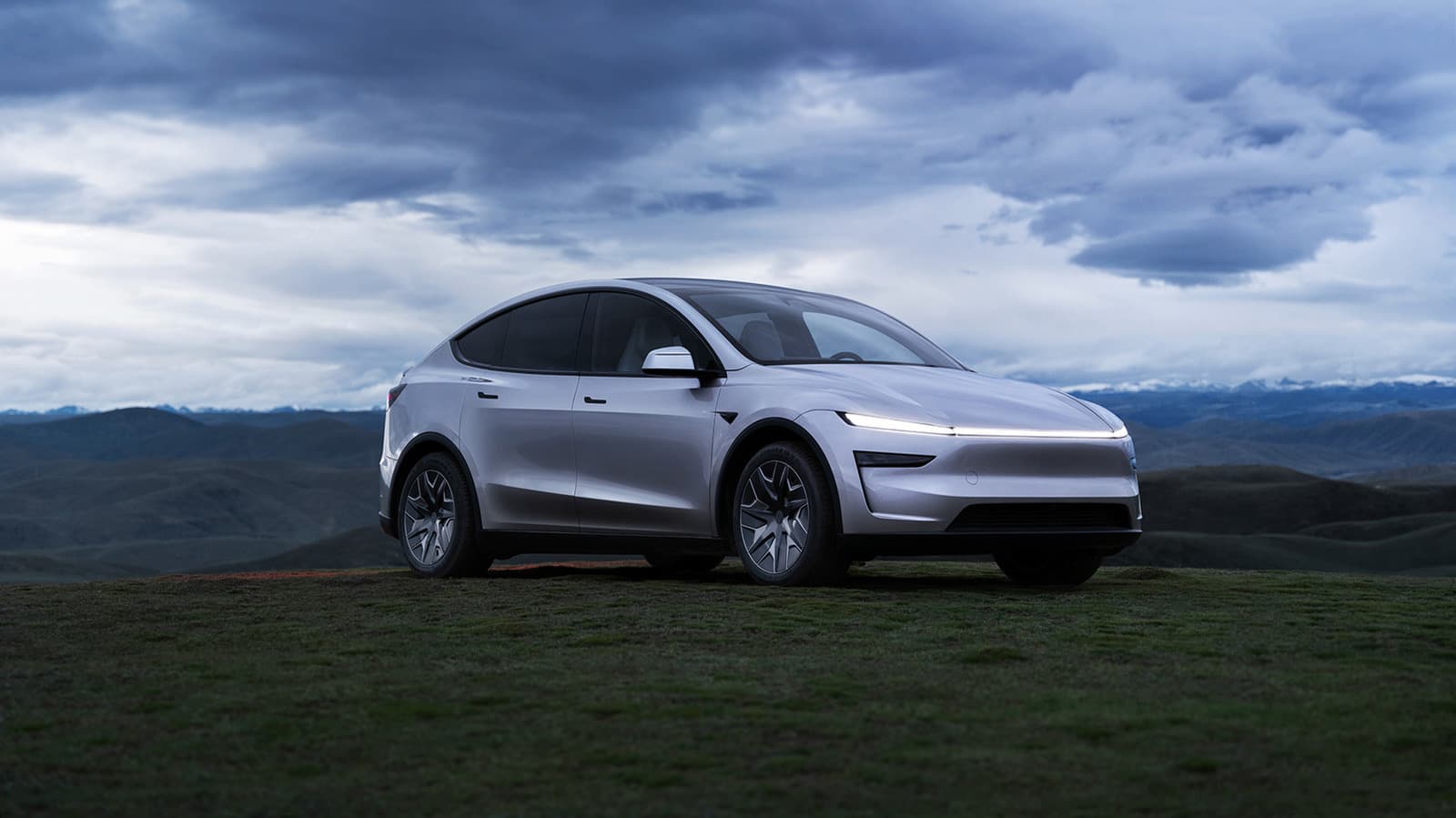
Tesla Tests Cybercab Without Steering Wheel: Future of Mobility
The company may finally be ready to try to deliver on Elon Musk's years-long promise of launching a robotaxi network of its own.
Key Insights
10 editorial insights.
Tesla has initiated testing of its Cybercab, a fully autonomous vehicle lacking traditional driving controls like pedals and a steering wheel, in Austin. This marks a pivotal step in their ambition to establish a robotaxi network, potentially transforming urban transportation and showcasing Tesla's commitment to leading in autonomous vehicle technology.
Key players in this development include Tesla, under Elon Musk's leadership, and the city of Austin which provides a testing ground. Tesla's innovative approach could disrupt the traditional taxi industry and challenge competitors like Waymo and Uber, who are also exploring autonomous ride-hailing solutions.
This development is strategically significant as it positions Tesla at the forefront of the autonomous mobility space, a market projected to reach $1.2 trillion by 2030. By pioneering a robotaxi service, Tesla could redefine customer expectations around transportation and establish a new revenue stream beyond vehicle sales.
For end users, the implementation of a robotaxi network could lead to significant cost savings and enhanced convenience, as they may access rides without owning a vehicle. Developers and tech companies might also benefit from partnerships with Tesla, gaining exposure to advanced AI and machine learning technologies used in autonomous driving.
Over the past 12-24 months, there has been a notable trend toward the integration of AI in transportation, with companies like Cruise and Aurora making strides in the autonomous vehicle market. Tesla's move signals an acceleration in competition and innovation, pushing other players to enhance their own capabilities in this rapidly evolving landscape.
The autonomous vehicle market is expected to grow at a compound annual growth rate (CAGR) of approximately 20% from 2021 to 2030, reflecting increasing consumer acceptance and technological advancement. This places Tesla in a favorable position to capitalize on a burgeoning market and establish its dominance early on.
However, this development raises several risks and challenges, including regulatory hurdles that could delay widespread deployment. Questions remain about public safety, insurance liability, and the ethical implications of fully autonomous vehicles operating without human oversight.
Competitors such as Waymo, Lyft, and Uber are likely to respond by accelerating their own autonomous vehicle initiatives or exploring partnerships with technology firms to enhance their capabilities. Additionally, traditional automotive manufacturers may feel pressured to invest more heavily in autonomous technologies to keep pace with Tesla's advancements.
In the next 6-12 months, key milestones to monitor include regulatory approvals for testing and deployment of autonomous vehicles in urban areas, as well as Tesla's ability to demonstrate safety and reliability in real-world conditions. Success in these areas could pave the way for broader adoption of autonomous ride-hailing services.
For technology professionals and investors, this development underscores the importance of staying informed about advancements in AI and machine learning within the automotive sector. Investors should particularly note Tesla's potential to disrupt existing market dynamics, as successful implementation of the Cybercab could significantly enhance its market valuation and influence.
Tesla has initiated trials of its Cybercab, a fully autonomous vehicle devoid of traditional controls like pedals and a steering wheel, in Austin. This marks a significant step towards realizing Elon Musk's vision of a robotaxi network, which could revolutionize urban transport and potentially reshape the automotive industry.
The Cybercab operates using Tesla's advanced Full Self-Driving (FSD) technology, which relies on a sophisticated suite of sensors, cameras, and neural networks. This car is engineered to navigate urban environments autonomously, utilizing real-time data processing to make driving decisions. The absence of manual controls indicates a commitment to fully autonomous operations, leveraging Tesla's ongoing software updates to enhance safety and performance as it learns from vast amounts of driving data.
In the broader context, Tesla's move positions it against a backdrop of intensifying competition in the autonomous vehicle sector. Companies like Waymo and Cruise are also advancing their driverless technologies, but Tesla's aggressive testing and deployment strategies could give it a lead. The anticipated growth of the robotaxi market, projected to reach $1 trillion by 2030, underscores the urgency for automakers to innovate rapidly in this space.
In India, the implications of Tesla's Cybercab testing may influence local automotive and tech sectors. Indian startups focusing on autonomous technology like Ather Energy and Ola Electric could find new opportunities for collaboration or competition. Furthermore, the Indian government’s push for smart mobility solutions aligns with Tesla's initiatives, potentially fostering a conducive environment for electric and self-driving vehicles.
Key Highlights
- Tesla begins testing its Cybercab, a fully autonomous vehicle.
- The vehicle uses Tesla's Full Self-Driving technology without manual controls.
- Robotaxi market projected to hit $1 trillion by 2030, indicating vast potential.
- Consumers in urban areas may benefit from improved transportation options.
- Upcoming developments include further trials and potential regulatory approvals.
Real-World Impact
The immediate effects of Tesla's Cybercab testing will resonate across various job sectors, particularly in transport and logistics. Roles focused on automotive engineering, software development, and urban planning may need to adapt as autonomous vehicles become more prevalent. Potential job displacement in traditional driving roles could also prompt shifts in workforce training and development.
Why This Matters
This development signifies a pivotal shift towards fully automated urban mobility solutions, challenging conventional automotive paradigms. CTOs and developers should consider integrating AI-driven technologies into their product offerings to stay competitive. Emphasizing collaboration with tech firms specializing in AI and machine learning may become essential for innovation.
As Tesla pushes the boundaries of autonomous driving, the next focal point will be the regulatory landscape governing such technologies. Stakeholders will need to monitor how governments react to these innovations and what frameworks will be established for widespread deployment.
Found this useful? Share it!