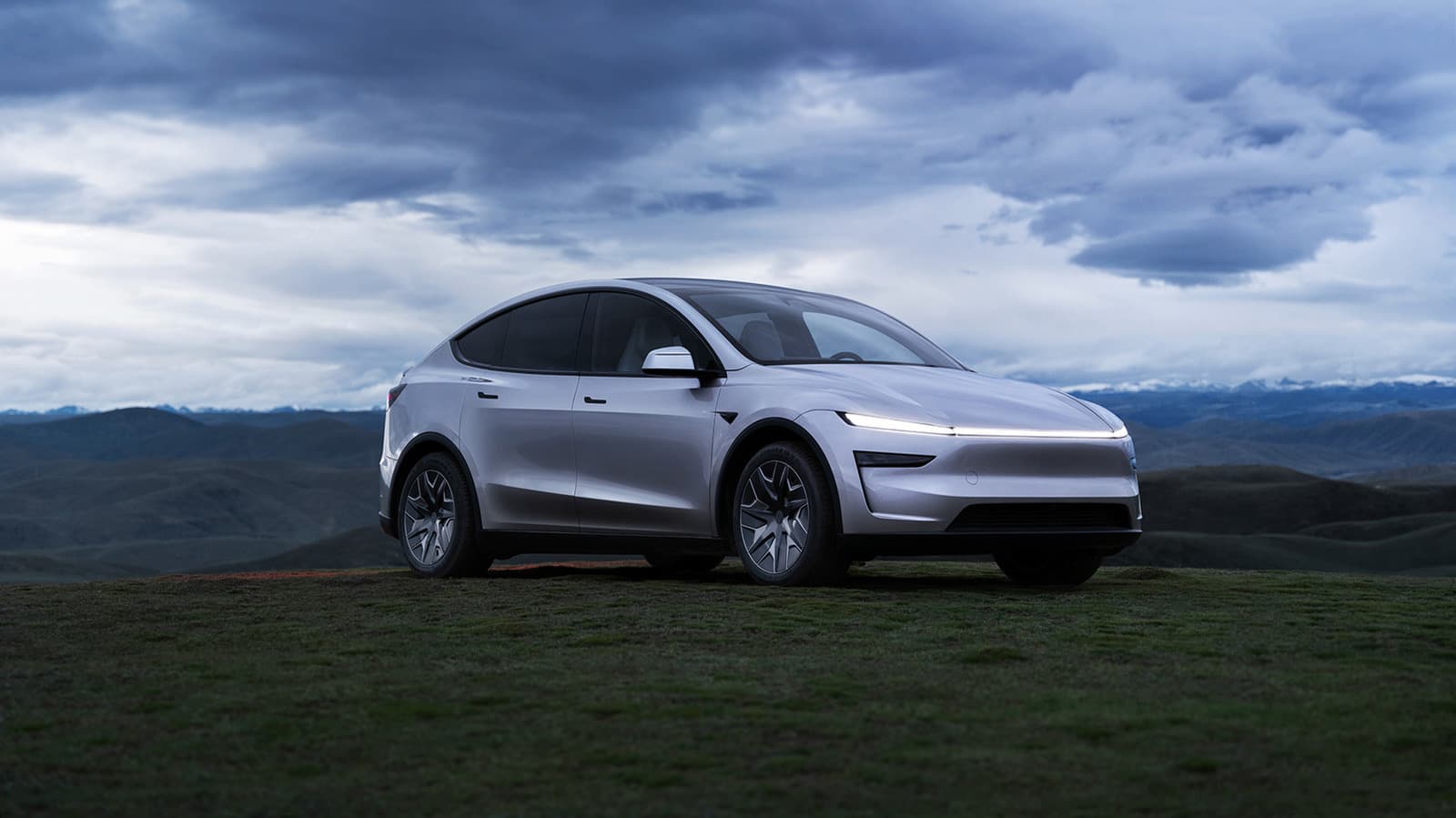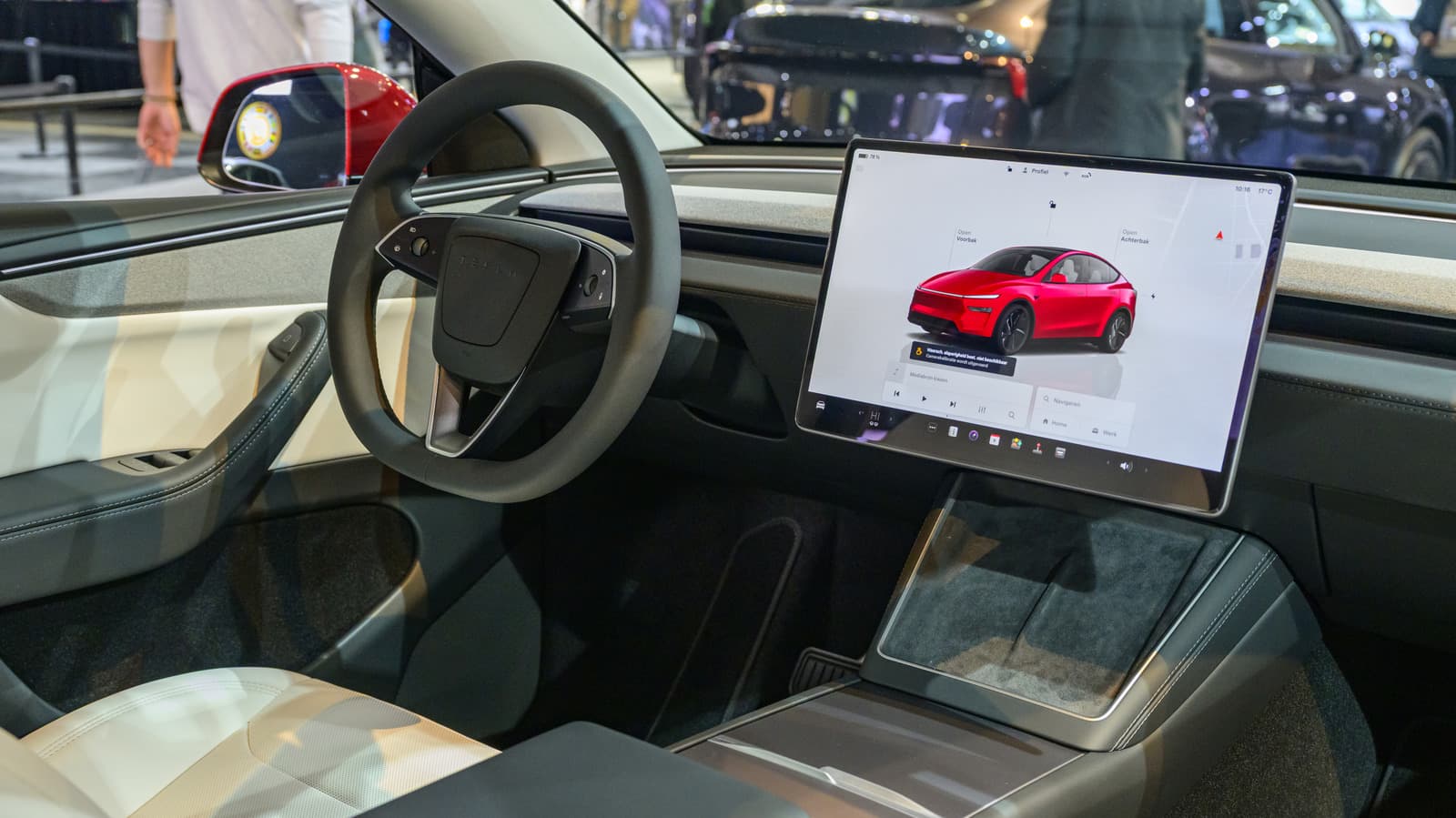
The lawsuit dates back to a deadly incident in Arizona in 2023.
Key Insights
10 editorial insights.
The settlement in the Arizona pedestrian accident underscores the immediate legal and reputational repercussions Tesla faces as it pushes its Full Self-Driving (FSD) technology. This incident highlights the critical need for stringent safety measures in autonomous vehicle development, as public trust is essential for widespread adoption.
Key players in this scenario include Tesla, which has been at the forefront of autonomous driving technology, and the legal system that is increasingly scrutinizing such innovations. The outcome of this settlement could influence future regulatory frameworks and liability standards for all automotive manufacturers venturing into autonomous driving.
This development is strategically significant as it could set a precedent for how liability is handled in future autonomous vehicle accidents. With the industry at a crossroads, ensuring consumer safety while innovating is crucial for companies like Tesla and their competitors, shaping the future of mobility.
The settlement may affect Tesla's financials, as legal costs and potential damages can be substantial, impacting its profitability. For developers and end users, this situation raises concerns about the safety and reliability of FSD technology, which could influence consumer adoption rates and market demand.
This incident connects to a broader trend where tech companies are facing increased scrutiny regarding the safety of their autonomous systems. Over the past 12-24 months, there has been a growing public demand for transparency and accountability in AI and automotive technologies, reflecting a societal shift toward prioritizing safety.
The autonomous vehicle market is projected to grow significantly, with estimates suggesting it could reach $557 billion by 2026, reflecting a compound annual growth rate of 22%. Incidents like the Arizona accident could slow this growth if consumer confidence is undermined, forcing companies to invest more in safety measures.
The primary risks emerging from this case include potential regulatory backlash against Tesla and other autonomous vehicle manufacturers, as well as the challenge of ensuring that FSD technology is safe before widespread deployment. Unresolved questions about liability and the technology's decision-making processes remain critical issues for stakeholders.
Competitors like Waymo, Cruise, and traditional automakers are likely to respond by emphasizing their safety protocols and transparent testing methods to differentiate themselves from Tesla. This could lead to a competitive landscape where safety becomes a key selling point, influencing consumer choices.
In the next 6-12 months, key milestones to watch include potential new regulations regarding autonomous vehicle safety standards and any legislative changes addressing liability in accidents involving self-driving cars. Monitoring Tesla's response to regulatory inquiries and adaptations to its technology will be crucial for understanding market dynamics.
For technology professionals and investors, the ultimate significance of this case lies in its implications for innovation and investment in autonomous technology. Understanding the balance between rapid development and safety compliance will be essential for making informed decisions in this evolving landscape.
Tesla has reached a settlement regarding a lawsuit stemming from a fatal accident involving its Full Self-Driving (FSD) system, which occurred in Arizona in 2023. This development is pivotal as it underscores the ongoing scrutiny of autonomous driving technologies and their safety implications, especially as regulatory agencies worldwide tighten their oversight of such innovations.
The technical foundation of Tesla's Full Self-Driving system relies on a combination of advanced neural networks and real-time data processing capabilities. Utilizing a suite of sensors, including cameras and radar, the system interprets its surroundings to make driving decisions. The FSD software is designed to navigate through complex environments, but incidents like the one in Arizona raise questions about its reliability and the extent of human oversight necessary when operating these vehicles.
Within the broader industry landscape, Tesla faces competition from traditional automakers and emerging tech firms investing in autonomous vehicle technologies. Companies like Waymo, Cruise, and Rivian are also vying for leadership in the self-driving sector, pushing advancements in AI and machine learning. As more brands enter this space, consumer trust and regulatory standards will play significant roles in shaping market dynamics, with safety being a key differentiator.
In the Indian tech ecosystem, the implications of Tesla's settlement may resonate with local automotive players and startups focused on electric and autonomous vehicles. Companies such as Ola Electric and Ather Energy are pioneering innovations in the EV sector, and the heightened scrutiny of self-driving technologies could catalyze tighter safety standards and regulatory frameworks in India. This may also inspire Indian firms to enhance their R&D efforts in AI-driven vehicle technologies.
Key Highlights
- Tesla has settled a lawsuit over a fatal self-driving crash.
- The FSD system employs advanced AI and real-time data processing.
- Tesla's market valuation is influenced by developments in autonomous technology; competitors are rapidly evolving.
- Consumers and regulators are likely to place a higher value on safety as a result of this incident.
- Future updates to FSD software may incorporate enhanced safety features and greater regulatory compliance measures.
Real-World Impact
This settlement may lead to immediate changes in job roles within Tesla's engineering and regulatory compliance teams. Automotive safety experts and data analysts will be crucial in refining the FSD system, ensuring it meets evolving legal and safety standards. Additionally, the broader automotive industry may experience increased pressure to address safety concerns in their own autonomous projects.
Why This Matters
The strategic significance of this settlement lies in its potential to shift the narrative surrounding autonomous driving technologies. CTOs and developers should prioritize safety and transparency in their innovations. As consumers demand greater accountability, leveraging robust testing protocols and clear communication about technology capabilities will become essential in building trust.
As Tesla navigates this settlement and the associated implications, the focus will shift to how the company enhances its FSD technology moving forward. Keeping an eye on regulatory responses and industry standards will be crucial for stakeholders in the autonomous vehicle market.
Found this useful? Share it!