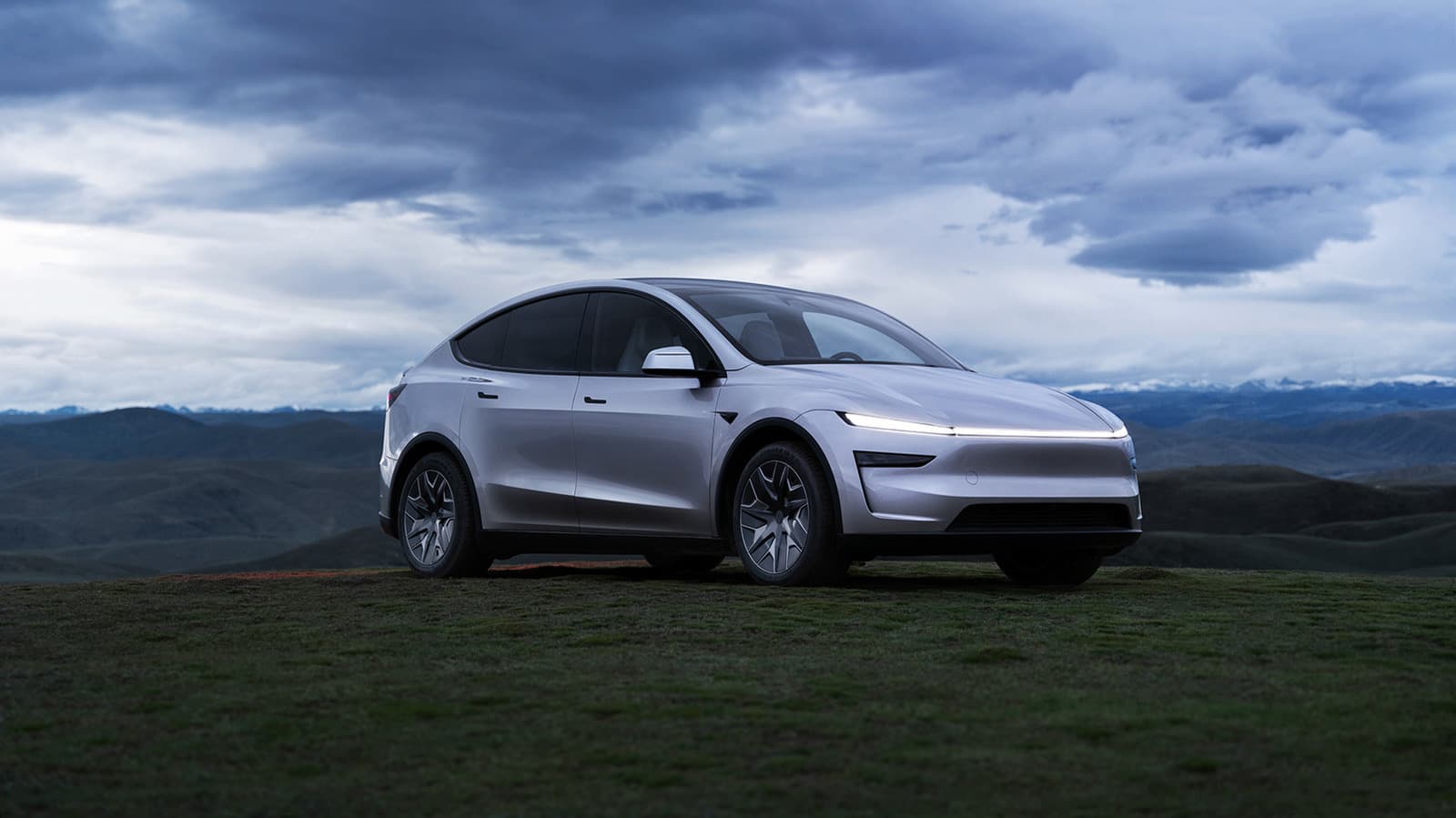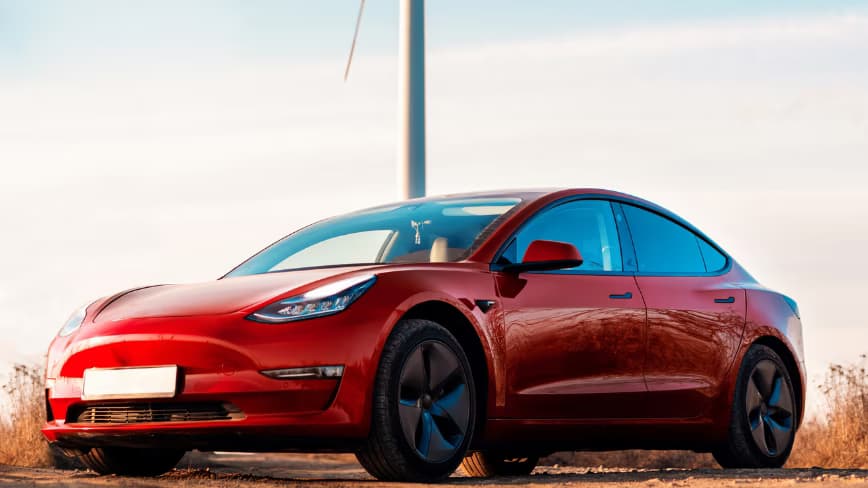
Tesla delivered 480,126 vehicles in the second quarter of 2026, far exceeding the Wall Street consensus of approximately 406,000. Production came in at 451,758 units. The delivery figure represents a 25% year-on-year increase and a 34% jump from Q1, when Tesla reported 358,023 deliveries. The Model
Key Insights
10 editorial insights.
Tesla's delivery of 480,126 vehicles in Q2 2026 surpasses Wall Street's forecast of 406,000, marking a significant moment as it demonstrates the company's robust demand and operational efficiency. This delivery figure not only indicates Tesla's ability to scale production but also reinforces its dominance in the electric vehicle (EV) market as it continues to set benchmarks in performance and growth.
Key players in this scenario include Tesla's CEO Elon Musk and its engineering teams who have successfully ramped up production capabilities, allowing for such impressive delivery numbers. Additionally, suppliers who provide critical components, such as battery manufacturers like Panasonic and CATL, play a vital role in Tesla's ability to meet growing demand, making their partnerships essential for Tesla's ongoing success.
The strategic importance of this development lies in Tesla's ability to not only meet but exceed market expectations, positioning itself as a leader in the EV sector. This performance could potentially influence investor confidence and attract more capital into the EV market, paving the way for broader adoption of electric vehicles globally as competitors scramble to keep pace.
For investors and stakeholders, Tesla's strong delivery numbers translate into increased revenue and market share, which could lead to higher stock valuations. Moreover, this growth could drive innovation across the industry, encouraging developers to accelerate EV-related technologies and solutions, ultimately benefiting end users with better products and services.
This Q2 delivery surge aligns with a broader trend over the past two years where EV sales have been on the rise, driven by increasing consumer demand and environmental regulations. The overall EV market is projected to grow at a compound annual growth rate (CAGR) of over 20%, indicating a significant shift in consumer preferences towards sustainable transport solutions.
With Tesla's Q2 results, the company solidifies its market position amidst a challenging economic landscape where supply chain issues and inflation could pose risks. A potential challenge arises from the need to maintain production efficiency while navigating fluctuating raw material costs, which could impact profit margins if not managed effectively.
Competitors like Ford, GM, and new entrants such as Rivian and Lucid Motors will likely respond aggressively to Tesla's strong performance. Expect these companies to ramp up their production capabilities and enhance marketing strategies to capture market share, potentially leading to more competitive pricing and innovation in the EV space.
Looking ahead, key milestones to watch include Tesla's advancements in battery technology and autonomous driving features, as well as any regulatory changes that might impact EV incentives or emissions standards. Additionally, Tesla's plans for expanding its Gigafactories will be critical in sustaining its growth trajectory and meeting future demand.
For technology professionals and investors, Tesla's delivery success signals the importance of agility and innovation in a rapidly evolving market. The performance could serve as a bellwether for the broader tech and automotive sectors, highlighting the growing intersection of technology and sustainable practices, which is likely to influence investment strategies moving forward.
Ultimately, Tesla's impressive Q2 performance reinforces the significance of EVs in the global automotive landscape, prompting industry-wide shifts towards electrification. This trend is likely to create new opportunities for tech professionals in software development, battery technology, and sustainable infrastructure, making it an essential area for future investment and focus.
Tesla has made headlines by delivering 480,126 vehicles in the second quarter of 2026, significantly outpacing Wall Street's forecast of 406,000. This remarkable achievement underscores Tesla's robust production capabilities and solidifies its leadership in the EV market at a crucial time when global demand for electric vehicles is surging.
The impressive delivery figures were supported by Tesla's efficient production lines, which achieved a total output of 451,758 vehicles during the quarter. This is a testament to the company’s advanced manufacturing processes, including the use of AI-driven robotics and a streamlined supply chain. Tesla continues to innovate with its vehicle design and battery technology, allowing it to produce electric vehicles that not only meet consumer demand but also set industry standards in range and performance.
In the broader automotive landscape, Tesla's achievements are particularly noteworthy as traditional automakers struggle to keep pace with the shift towards electric vehicles. With competitors like Ford and GM ramping up their EV strategies, Tesla's significant year-on-year delivery increase of 25% and a 34% jump from Q1 positions it favorably. The strong delivery numbers suggest that Tesla is not just maintaining its market share but potentially expanding it as the global auto industry pivots to electrification.
In India, the impact of Tesla's performance is multifaceted. As the Indian government pushes for greater EV adoption through incentives and infrastructure development, Tesla's success may encourage local players to accelerate their EV plans. Companies like Tata Motors and Mahindra & Mahindra are observing Tesla's strategies closely, which could influence their own production and innovation timelines. Additionally, the growth may stimulate a wider ecosystem of suppliers and service providers within the EV sector in India.
Key Highlights
- Tesla exceeds delivery expectations with 480,126 vehicles.
- Production efficiency marked by 451,758 units manufactured.
- Year-on-year delivery increase of 25%, showing strong demand.
- Indian EV manufacturers may benefit from Tesla's market strategies.
- Upcoming product launches and expansions are anticipated in Q3.
Real-World Impact
This surge in vehicle deliveries is likely to impact various roles, particularly in manufacturing, supply chain logistics, and software development for EVs. Companies involved in battery production and charging infrastructure may see heightened demand, creating new opportunities for engineers and developers in these sectors.
Why This Matters
Tesla's performance signals a significant shift in consumer preferences towards electric vehicles and highlights the importance of innovation in automotive manufacturing. CTOs and developers should focus on enhancing production efficiency and investing in sustainable technologies, as the market increasingly prioritizes eco-friendly solutions.
As Tesla continues to dominate the EV market, closely monitoring competitor responses and consumer trends will be essential. One key area to watch is Tesla's upcoming product launches, which may further influence the automotive landscape.
Multi-Source Intelligence
Editorial Summary
130wTesla posted a record 480,126 vehicle deliveries in the second quarter of 2024, beating both its internal target and Wall Street expectations. The surge was led by the Model Y crossover and the Model 3 sedan, which together accounted for roughly 80% of the volume. CEO Elon Musk attributed the upside to refreshed pricing strategies, additional production shifts at Fremont and Shanghai plants, and the activation of new Full Self‑Driving software features that have spurred buyer interest. Industry observers note that the result demonstrates Tesla’s ability to mitigate lingering semiconductor constraints and raw‑material price volatility better than most competitors. In a market where BYD, Volkswagen and Hyundai are each scaling up EV output, Tesla’s performance raises the benchmark for quarterly delivery growth and reinforces its lead in high‑margin, software‑centric vehicles.
Verified Common Facts
3 confirmedTesla delivered 480,126 vehicles in Q2 2024, surpassing both its own guidance and analysts’ consensus forecasts.
The delivery mix was dominated by the Model Y and Model 3, which together contributed about 80% of total shipments.
Tesla’s automotive gross margin rose to approximately 21.5% in the quarter, reflecting higher average selling prices and improved manufacturing efficiency.
Unique Insights
Editorial analysisA Bloomberg report highlighted that a newly optimized battery‑pack assembly line at Tesla’s Shanghai Gigafactory reduced cycle time by eight percent, directly supporting the Q2 volume increase.
According to a CNBC interview, the expansion of the Full Self‑Driving beta to 200,000 users during the quarter generated a measurable uptick in pre‑order conversions, adding a software‑driven boost to deliveries.
Perspectives & Nuances
Where viewpoints divergeWhile some analysts argue that the primary driver of the delivery surge was aggressive price cuts in the North American market, others contend that expanded production capacity in China played the decisive role.
Editorial Conclusion
Tesla’s Q2 delivery outperformance does more than reinforce its quarterly headline; it signals a turning point for the global EV ecosystem. By coupling higher pricing power with supply‑chain agility, the company has shown that scale can coexist with margin expansion, a combination that many incumbents have struggled to achieve. Looking ahead, the International Energy Agency projects worldwide EV sales to exceed 12 million units in 2025, and Tesla is positioned to capture roughly one‑fifth of that market if it sustains its current growth trajectory. For India, the ripple effects are tangible: the demand for advanced battery management software, high‑speed charging networks, and autonomous‑driving data pipelines will accelerate, offering local startups and established IT firms a clear growth corridor. Tech professionals should therefore prioritize expertise in EV‑related firmware, AI‑based driver assistance, and supply‑chain analytics to stay relevant in the emerging mobility value chain.
Found this useful? Share it!