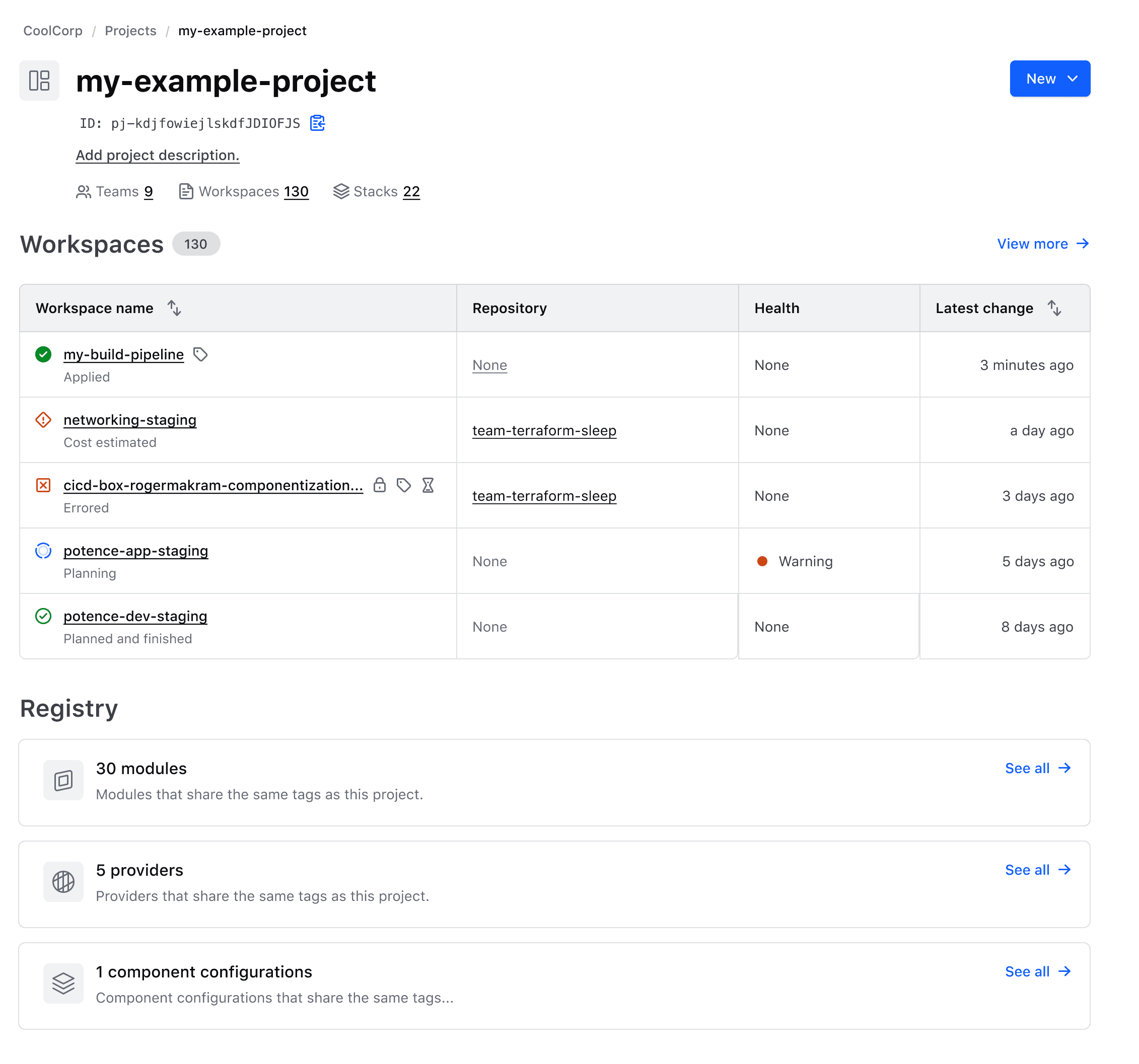
Terraform Stacks are a feature intended to simplify infrastructure provisioning and management at scale, providing a built-in way to scale without complexity. This blog covers the challenges Terraform Stacks solve, their benefits, use cases, how they work, their features, and future roadmap. What ch
Key Insights
10 editorial insights.
Terraform Stacks have been introduced to simplify infrastructure provisioning and management at scale, providing a built-in way to scale without complexity. This development matters now because it addresses the long-standing challenges of managing complex cloud infrastructures.
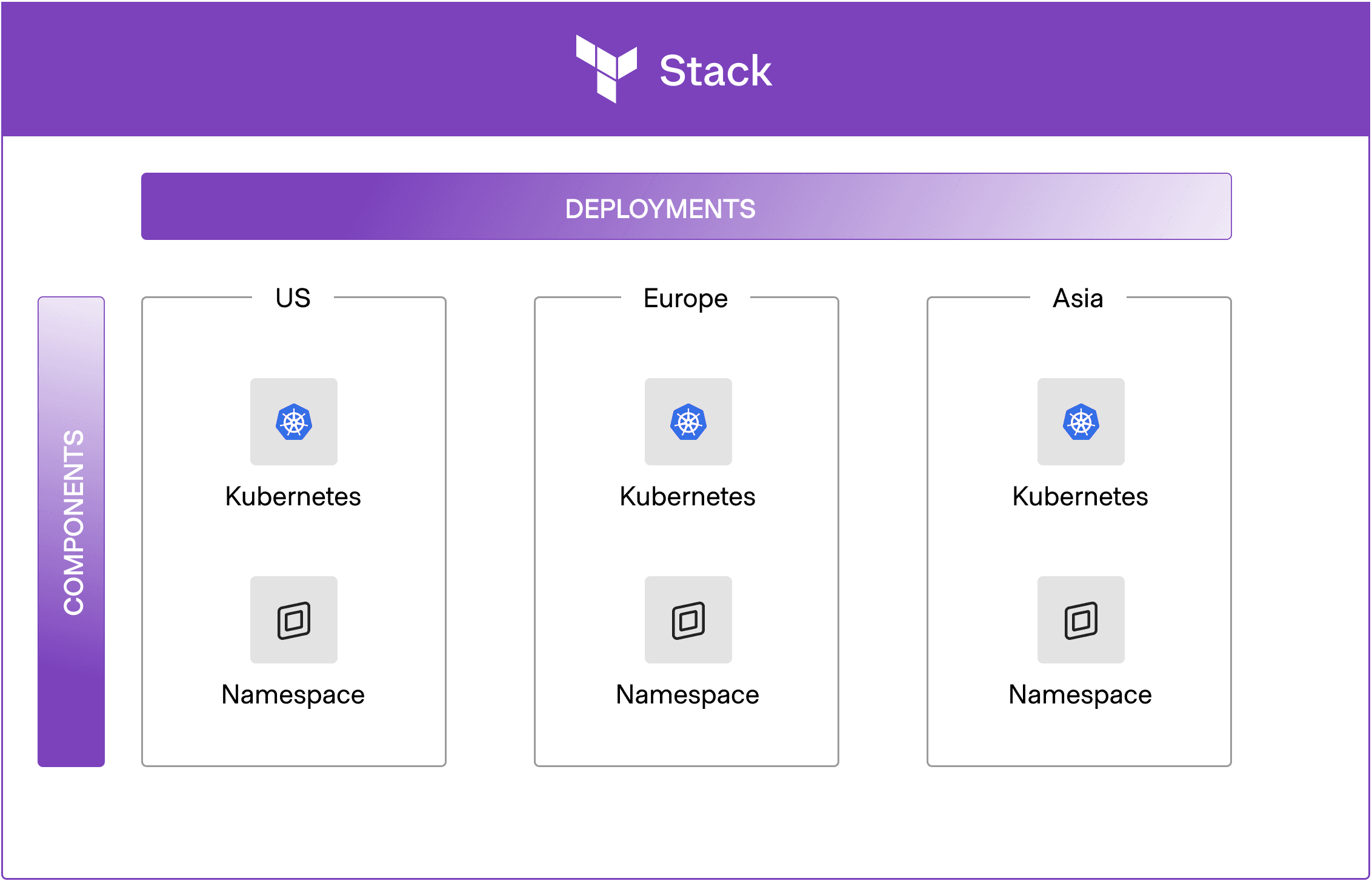
Terraform Stacks work by allowing users to organize and manage related infrastructure configurations, making it easier to scale and manage complex systems. This is achieved through a modular approach, where each stack can be managed independently, reducing the complexity of large-scale infrastructure deployments.
In the broader cloud infrastructure management market, Terraform competes with other tools like AWS CloudFormation and Azure Resource Manager. However, Terraform's modular approach and support for multi-cloud deployments set it apart. Market trends indicate a growing demand for cloud-agnostic infrastructure management solutions, with the global cloud infrastructure market expected to reach $122.5 billion by 2025.
In the Indian tech ecosystem, companies like Infosys, Wipro, and Tata Consultancy Services (TCS) are likely to be impacted by Terraform Stacks. These companies provide cloud infrastructure management services to clients and can leverage Terraform Stacks to simplify and streamline their operations. Additionally, Indian startups like Zoho and Freshworks can also benefit from Terraform Stacks by improving their cloud infrastructure management capabilities.
Key Highlights
- Introduced Terraform Stacks to simplify infrastructure provisioning
- Modular approach to manage related infrastructure configurations
- Expected to reach $122.5 billion by 2025 in the global cloud infrastructure market
- Benefits companies like Infosys, Wipro, and TCS in the Indian tech ecosystem
- Next release expected to include enhanced security features and support for more cloud providers
Real-World Impact
Cloud infrastructure managers, DevOps engineers, and developers will be directly affected by Terraform Stacks, as it simplifies the process of managing complex cloud infrastructures. This will lead to increased efficiency and reduced costs for companies, allowing them to focus on core business activities.
Why This Matters
The introduction of Terraform Stacks represents a significant shift towards cloud-agnostic infrastructure management solutions. CTOs and developers should take note of this development and consider how Terraform Stacks can simplify their cloud infrastructure management operations, allowing them to focus on innovation and growth.
As Terraform Stacks continue to evolve, it's essential to watch for upcoming developments, such as enhanced security features and support for more cloud providers, which will further simplify cloud infrastructure management.
Deep Analysis
Multi-Source Intelligence
Found this useful? Share it!