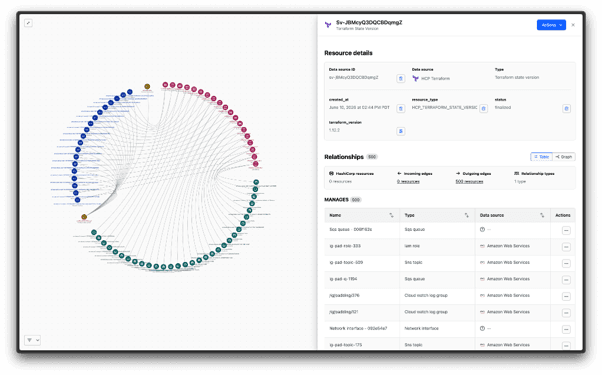
Terraform MCP Server Launch: Transforming AI Infrastructure Workflows
Terraform MCP server enables AI assistants like GitHub Copilot, IBM Bob, Claude Code etc. to interact with Terraform through the Model Context Protocol (MCP). By connecting AI to your infrastructure workflows, teams reduce manual effort, eliminate context switching between tools, and accelerate deli
Key Insights
10 editorial insights.
HashiCorp has officially launched the Terraform Model Context Protocol (MCP) server, enabling seamless integration between AI assistants and infrastructure management. This innovation is crucial as it streamlines workflows, reduces manual tasks, and enhances productivity across teams, making it particularly relevant in today's fast-paced tech environment.
The Terraform MCP server facilitates communication between artificial intelligence tools like GitHub Copilot and IBM Bob, allowing these systems to interact directly with Terraform. This is achieved through the Model Context Protocol, which standardizes interactions and reduces the friction typically seen in multi-tool environments. By enabling AI to understand and manipulate Terraform's rich context, teams can automate repetitive tasks, such as provisioning resources or managing configurations, thus significantly improving operational efficiency.
In the broader tech landscape, the adoption of AI in infrastructure management is gaining momentum. Companies are increasingly looking for ways to leverage AI capabilities to optimize workflows. Competitors like Pulumi and AWS CloudFormation are also vying for market share by offering similar integrations. Recent industry reports indicate that the global cloud infrastructure market is set to grow significantly, driven by advancements in AI-driven automation and user-centric tools, suggesting that HashiCorp's timing is strategic.
In India, the tech ecosystem is ripe for this transformation. With a burgeoning startup culture and many firms investing in cloud solutions, the Terraform MCP server could impact a variety of sectors, including fintech and e-commerce. Indian companies such as Zomato and Paytm are likely to benefit from enhanced automation capabilities, allowing them to scale their operations more efficiently. Developers skilled in Terraform will find new opportunities as businesses seek to integrate these AI tools into their workflows.
Key Highlights
- HashiCorp launched the Terraform MCP server for general use.
- The server enables AI tools to automate infrastructure management tasks.
- The cloud infrastructure market is projected to grow significantly this year.
- Developers and IT teams will benefit from reduced manual efforts and faster deployment times.
- Expect further enhancements to AI integrations in the coming months.
Real-World Impact
The launch of the Terraform MCP server will immediately affect IT teams and DevOps professionals who manage cloud infrastructure. Job roles such as cloud engineers and site reliability engineers will see significant changes in their workflows, as they can now leverage AI to automate repetitive tasks. This shift is expected to enhance productivity and reduce time spent on manual interventions, particularly in large-scale deployments.
Why This Matters
This development marks a significant shift towards integrating AI into everyday infrastructure management practices. CTOs and developers should reconsider their approach to automation and tooling, exploring how AI can be utilized to optimize workflows and reduce operational overhead. Embracing these technologies will be essential for organizations aiming to stay competitive in an increasingly automated landscape.
Moving forward, the focus will likely shift towards enhancing AI capabilities within Terraform and similar tools. Monitoring how these integrations evolve will be critical for organizations looking to leverage AI for infrastructure management.
Deep Analysis
Multi-Source Intelligence
Found this useful? Share it!