Terraform Enterprise 2.0 Revolutionizes Scalable Infrastructure Management
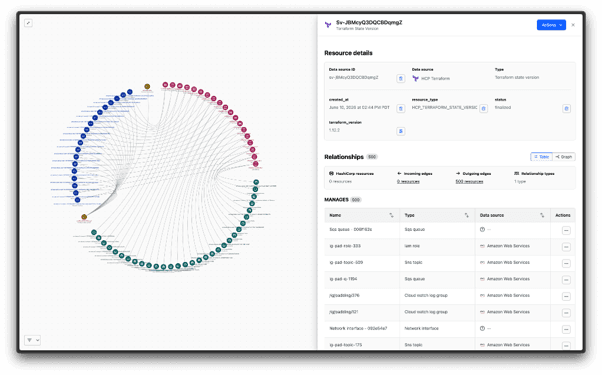
Key features in Terraform Enterprise 2.0 include: Stacks to manage multi-tier, multi-environment deployments as a single system, reducing coordination overhead and improving deployment consistency Project-level notifications to enable monitoring-by-default across workspaces, reducing operational ove
Key Insights
10 editorial insights.
Terraform Enterprise 2.0's introduction marks a significant leap in infrastructure management by enabling stacks to manage multi-tier, multi-environment deployments seamlessly. This evolution is crucial as it significantly reduces coordination overhead, allowing teams to focus on developing rather than managing, thus enhancing deployment speed and consistency across diverse environments.
HashiCorp, the company behind Terraform, remains a pivotal player in the DevOps and infrastructure automation space. With significant market traction, their focus on improving operational efficiency directly addresses the growing needs of enterprises managing complex, multi-cloud environments, making them a key influencer in shaping industry best practices.
The strategic importance of Terraform Enterprise 2.0 lies in its enhanced capabilities to streamline deployment processes, which is vital as organizations increasingly shift to hybrid and multi-cloud strategies. This development can help reduce operational costs and improve service reliability, positioning HashiCorp as a leader in the infrastructure as code (IaC) market.
For businesses, the new project-level notifications feature is a game changer, allowing teams to monitor deployments proactively. This capability can significantly reduce downtime and improve responsiveness to issues, ultimately leading to better user experiences and higher customer satisfaction, which are critical in today's fast-paced digital landscape.
This launch aligns with the broader trend of increasing automation and efficiency in IT operations. Over the past 12-24 months, there has been a marked shift towards tools that facilitate smoother DevOps workflows, reflecting a growing recognition of the need for integrated systems that can handle complex deployment scenarios effectively.
The global infrastructure automation market was valued at approximately $5 billion in 2022, with a projected growth rate of around 25% annually. As enterprises adopt solutions like Terraform Enterprise 2.0, the demand for reliable deployment management tools is expected to surge, further solidifying HashiCorp’s position in this expanding market.
Despite the positive advancements, challenges such as integration with existing legacy systems and potential learning curves for teams new to Terraform could impede widespread adoption. Furthermore, how effectively HashiCorp addresses security concerns related to multi-environment deployments remains an important question as organizations adopt these new features.
Competitors such as Red Hat with Ansible and VMware with Tanzu could respond aggressively by enhancing their own automation tools to better compete with Terraform's latest features. This competitive pressure may lead to accelerated innovation within the infrastructure management space, benefitting users through more advanced capabilities.
In the coming 6-12 months, technical milestones to monitor include how quickly enterprises adopt Terraform Enterprise 2.0 and the potential introduction of additional features that enhance security and compliance capabilities. Regulatory scrutiny around cloud deployments may also drive HashiCorp to innovate further in these areas to maintain a competitive edge.
For technology professionals and investors, the significance of Terraform Enterprise 2.0 lies in its potential to redefine operational efficiencies within enterprise IT. As the demand for robust infrastructure management tools continues to climb, investing in companies like HashiCorp could yield substantial returns, especially as they lead the charge in automating complex deployments.
HashiCorp has introduced Terraform Enterprise 2.0, a significant upgrade that transforms how organizations manage scalable infrastructure. This release is crucial as it streamlines multi-tier deployments, enhances project-level notifications, and ultimately aims to improve operational efficiency. As cloud adoption accelerates, these features will help businesses navigate complex environments more effectively.
Terraform Enterprise 2.0 introduces a range of technical enhancements designed to simplify infrastructure management. The most notable feature, 'Stacks,' allows users to handle multi-tier, multi-environment deployments as a cohesive unit. This reduces the typical coordination overhead associated with complex deployments, enabling teams to ensure consistent application performance across various environments. Additionally, project-level notifications facilitate proactive monitoring across workspaces, which can significantly cut down on operational risks and enhance responsiveness to issues as they arise.
In a competitive landscape, Terraform 2.0 positions HashiCorp against industry giants like AWS CloudFormation and Microsoft Azure Resource Manager. The increasing shift towards microservices and containerization in cloud architectures demands robust management solutions. Recent market data indicates that cloud infrastructure spending is projected to grow by over 20% annually, signifying a robust demand for efficient deployment mechanisms like those offered by Terraform. This trend indicates an urgent need for tools that reduce complexity while enhancing deployment speed.
In India, where cloud adoption is surging, Terraform Enterprise 2.0 could significantly impact sectors like fintech, e-commerce, and IT services. Indian tech companies, particularly startups, are increasingly leveraging cloud infrastructure to scale their operations. The enhanced capabilities of Terraform could empower these firms to manage their deployments more effectively, thereby improving their competitive edge in both domestic and international markets.
Key Highlights
- Introduced 'Stacks' for simplified multi-tier management
- Enhanced project-level notifications for better operational monitoring
- Cloud infrastructure spending projected to grow by 20% annually
- Startups and tech firms stand to benefit the most from agility
- Future updates expected to further refine deployment capabilities
Real-World Impact
The immediate effects of Terraform Enterprise 2.0 will be felt by cloud engineers, DevOps teams, and project managers. As these roles increasingly rely on efficient infrastructure management, the new features will streamline their workflows. Sectors such as fintech and e-commerce will particularly benefit from improved deployment efficiency, enabling faster response times to market demands.
Why This Matters
This release signifies a pivotal shift towards greater automation and efficiency in cloud infrastructure management. For CTOs and developers, the emphasis should now be on integrating these new tools into their workflows to enhance deployment consistency and reduce operational risks. Adopting Terraform 2.0 could provide a strategic advantage in the rapidly evolving cloud landscape.
As Terraform Enterprise 2.0 sets the stage for more scalable infrastructure management, tech leaders should keep an eye on upcoming features that could further enhance operational efficiency. The evolution of these tools will likely shape the future of cloud infrastructure management.
Found this useful? Share it!