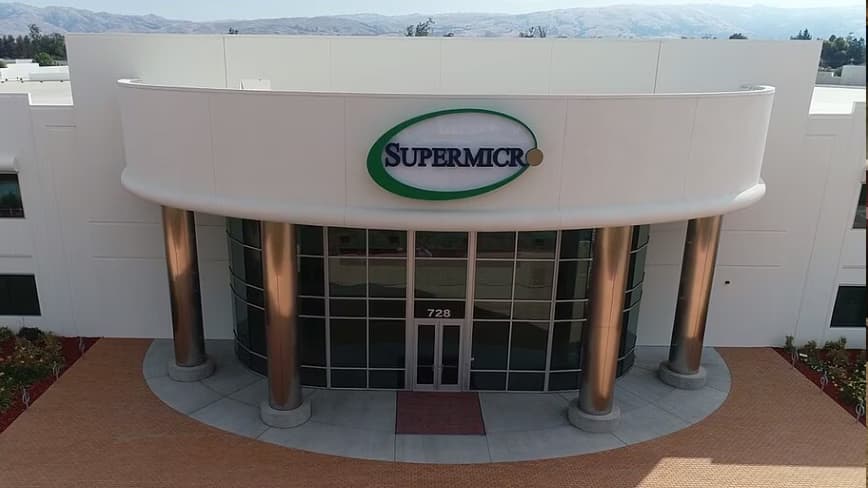
Taiwan’s Keelung District Prosecutors Office raided Super Micro Computer’s local office on Monday, widening an investigation into the alleged smuggling of Nvidia chips to China through the company’s servers. The raid also targeted the residences of six individuals and the sites of two other affiliat
Key Insights
10 editorial insights.
The recent raid on Super Micro by Taiwanese authorities underscores the increasing scrutiny surrounding technology supply chains. This investigation into alleged smuggling of Nvidia chips to China is significant as it highlights the ongoing geopolitical tensions and regulatory pressures that tech companies face, particularly those involved in high-stakes semiconductor production.
Key players in this incident include Super Micro Computer and Nvidia, both integral to the server and GPU markets, respectively. Super Micro's role as a server manufacturer positions it as a critical link in the supply chain, while Nvidia's dominance in AI and gaming GPUs makes the smuggling of their chips particularly impactful for both companies and the broader tech ecosystem.
This crackdown reflects the strategic importance of safeguarding intellectual property and maintaining competitive advantages in the semiconductor industry. With the global race for AI capabilities intensifying, ensuring that advanced chips do not fall into rival markets is crucial for companies like Nvidia, which has seen its stock price soar with the AI boom.
For Super Micro, the immediate business impact could be substantial, potentially resulting in lost contracts or reputational damage among partners and customers. Additionally, developers relying on Super Micro's servers may face disruptions, leading to delays in projects that depend on Nvidia's cutting-edge technology, affecting timelines and budgets across various sectors.
This incident connects to a broader trend of heightened regulatory scrutiny and national security concerns regarding technology transfers, particularly from the U.S. to China. Over the past 24 months, there has been a marked increase in investigations and enforcement actions around technology exports, as nations seek to protect their technological prowess and economic interests.
The global semiconductor market was valued at approximately $527 billion in 2022 and is expected to grow at a CAGR of around 8.6% through 2030. As companies like Nvidia continue to innovate and expand into new applications like AI and machine learning, the stakes in maintaining secure supply chains have never been higher, making incidents like this particularly concerning for investors.
This development raises several risks, including the potential for further legal actions against Super Micro and its affiliates, which could destabilize their operations. Additionally, unresolved questions about the extent of the alleged smuggling and the possible involvement of other companies may lead to further investigations, creating uncertainty in supply chains and investor confidence.
Competitors in the semiconductor space, such as AMD and Intel, may see this as an opportunity to strengthen their market positions. They could capitalize on any disruptions Super Micro faces by targeting its customers or expanding their own offerings to fill any gaps left by Super Micro's potential fallout from the investigation.
In the next 6-12 months, key milestones to watch include the outcomes of the investigation and any resulting regulatory changes that could impact the semiconductor supply chain. Additionally, companies may need to adapt to stricter compliance protocols to avoid similar situations, particularly as governments globally tighten export controls on sensitive technologies.
For technology professionals and investors, the ultimate significance of this incident lies in the heightened awareness of supply chain vulnerabilities and the geopolitical risks associated with technology. The investigation serves as a reminder that compliance and ethical sourcing of materials and components are paramount, influencing investment strategies and operational decisions in the tech sector.
The Keelung District Prosecutors Office in Taiwan has conducted a significant raid on Super Micro Computer's local office, as part of a broader investigation into the alleged smuggling of Nvidia chips to China. This development is crucial given the ongoing global semiconductor supply chain challenges and the heightened scrutiny on technology firms regarding compliance with export regulations.
The raid on Super Micro's office is centered around accusations of the company facilitating the illicit shipment of Nvidia's advanced chips, particularly those used in AI and high-performance computing, through its servers to China. This investigation highlights the complexities involved in semiconductor manufacturing and distribution, where compliance with international trade laws is paramount. The chips in question are critical for various applications, including machine learning and data processing, making their unauthorized transfer a serious breach of regulations.
In the broader context, this incident underscores the intense competition in the semiconductor industry, particularly among firms like AMD and Intel, which are also vying for market share in AI-driven computing. The ramifications of such smuggling operations could lead to tighter regulations and scrutiny across the supply chain. As businesses increasingly focus on AI, the demand for high-performance chips is surging, making incidents like this pivotal in shaping industry dynamics.
For India, which is rapidly becoming a semiconductor hub, this situation presents both challenges and opportunities. Indian tech companies, particularly those involved in hardware and AI development, may face increased scrutiny regarding their supply chains. Companies like Wistron and Vedanta, which are investing heavily in semiconductor manufacturing, could benefit from a more cautious approach towards compliance, thus positioning themselves favorably in the global market.
Key Highlights
- Keelung prosecutors initiate a high-profile raid on Super Micro.
- Focus on advanced Nvidia chips critical for AI applications.
- Potential for stricter regulations affecting global semiconductor trade.
- Indian tech firms may need to enhance compliance measures.
- Expect further developments in export regulations in Q1 2024.
Real-World Impact
This investigation is likely to have immediate repercussions, particularly in roles related to compliance, logistics, and supply chain management within tech firms. Companies operating in the semiconductor space, especially those in India, may need to reassess their shipping practices and compliance protocols to avoid scrutiny. Furthermore, the incident could impact job roles tied to export control and legal compliance as companies navigate the challenging regulatory landscape.
Why This Matters
This event signals a significant shift in how semiconductor firms operate amidst increasing regulatory pressures. For CTOs and developers, this means a need for greater diligence in understanding export laws and ensuring that supply chains are transparent and compliant. It may also prompt a reevaluation of partnerships and supplier relationships to mitigate risks associated with international trade.
Looking ahead, the semiconductor industry must brace for potential regulatory changes and increased scrutiny. Observing how companies adapt to these developments will be essential, particularly in the context of global supply chain management strategies.
Found this useful? Share it!