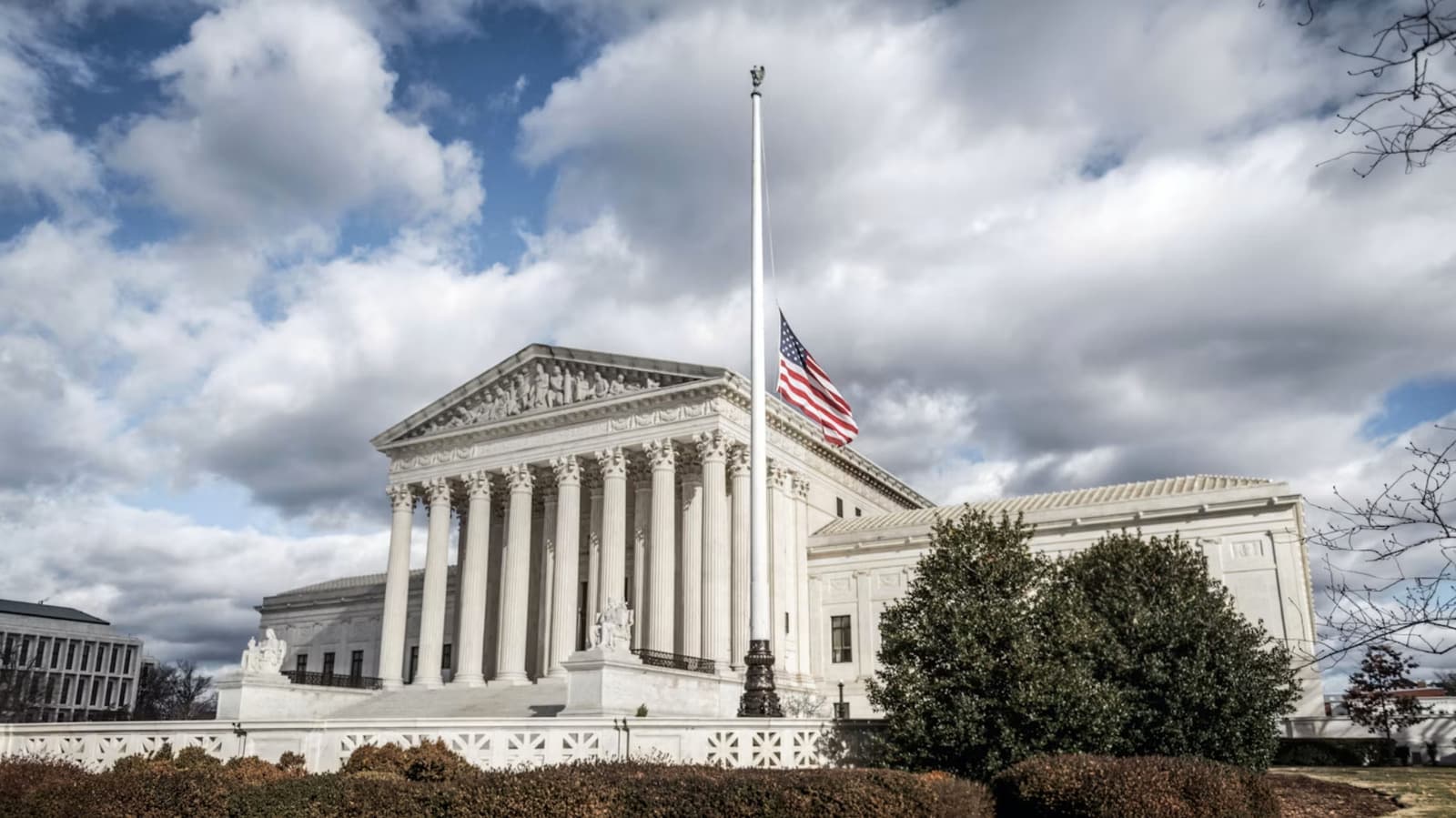
SCOTUS falls short of deeming geofence warrants unconstitutional, though.
Key Insights
10 editorial insights.
The Supreme Court's ruling on geofence warrants marks a vital moment in the ongoing debate over digital privacy and law enforcement. While the court did not declare these warrants unconstitutional, it curtailed their use, requiring more stringent oversight. This decision underscores the tension between public safety and individual privacy rights in the digital age.
Key players in this ruling include major tech companies like Google and Apple, which provide location data that law enforcement relies on. Their responses to the court's decision will shape how geofence warrants are utilized going forward. These companies are increasingly scrutinized for their data practices, making their involvement crucial to the discussion around user privacy.
The strategic importance of this development lies in its potential to redefine how law enforcement agencies access user data. With growing public concern over surveillance, companies may need to invest in privacy-enhancing technologies and transparent data practices. This shift could foster greater consumer trust and influence product development moving forward.
For businesses that utilize location data, such as ride-sharing or delivery services, this ruling could impose additional compliance costs and operational adjustments. Companies like Uber and DoorDash may need to navigate stricter regulations, impacting their data collection strategies and potentially affecting their service delivery models. This could also lead to increased legal scrutiny around existing data practices.
This ruling aligns with a broader trend where governments and companies are increasingly recognizing the importance of digital privacy. Over the past 12-24 months, there has been a surge in legislation aimed at protecting consumer data, such as California's CCPA and the EU's GDPR. The Supreme Court's decision may accelerate similar legislative efforts across the U.S.
The market for location-based services was valued at approximately $40 billion in 2022 and is projected to grow at a CAGR of 20% through 2026. As regulatory landscapes shift, companies in this space may face pressure to adapt their offerings, which could influence market dynamics and growth trajectories significantly. Stakeholders will need to monitor these changing conditions closely.
The decision leaves several unresolved questions about the balance of privacy rights against law enforcement needs. Companies may face risks related to data breaches or misuse of information, coupled with potential backlash from consumers concerned about their privacy. Additionally, the lack of clear guidelines could lead to inconsistent application of geofence warrants across jurisdictions.
Competitors in the tech space, particularly those focused on privacy-centric solutions, may seize this opportunity to differentiate themselves. Companies like Apple, which has championed user privacy, could bolster their market position by highlighting their commitment to data protection. Conversely, firms that rely heavily on location data may need to reevaluate their strategies to remain compliant and competitive.
In the next 6-12 months, stakeholders should watch for potential legislative responses that may further regulate how geolocation data is collected and used. Additionally, companies may need to develop new technologies or partnerships to ensure compliance with evolving standards, which will be critical for sustaining their operations. Regulatory clarity will be essential for guiding industry practices.
Ultimately, this ruling signifies a pivotal moment for technology professionals and investors, highlighting the need for ongoing vigilance regarding data privacy. For investors, understanding how companies adapt to these changes could inform future investment decisions. Technology professionals must prioritize developing solutions that balance innovation with privacy considerations, reflecting the evolving landscape of digital rights.
The U.S. Supreme Court has made a significant ruling that curtails government access to geofence warrants, a tool used to track individuals through their mobile devices based on location data. While the Court stopped short of declaring these warrants unconstitutional, the decision has immediate implications for privacy rights and law enforcement practices, raising questions about technology's role in surveillance and civil liberties.
Geofence warrants enable law enforcement agencies to collect location data from multiple devices in a specified geographical area during a time frame related to a crime. By tapping into vast databases held by tech companies, investigators can pinpoint potential suspects based on their movements. This process relies on GPS data, Wi-Fi signals, and Bluetooth beacons to triangulate the exact positions of devices, creating a detailed picture of individual behavior, often without the need for a traditional warrant.
In the broader tech landscape, geofence warrants represent a growing intersection of law enforcement and data collection technologies. Companies like Google and Apple, while providing these services, are also facing mounting pressure from privacy advocates and regulatory bodies to ensure user consent and transparency in data usage. As privacy regulations tighten globally, tech firms must navigate the balance between aiding investigations and protecting user rights.
In India, the implications of the Supreme Court's ruling resonate within the burgeoning tech ecosystem. Companies involved in location-based services, such as ride-sharing and food delivery apps, may need to reassess their data-sharing agreements with law enforcement agencies. This ruling could influence regulatory discussions in India, especially as the country grapples with its own privacy laws and the growing scrutiny of digital surveillance methods.
Key Highlights
- Supreme Court restricts government access to geofence warrants
- Geofence warrants rely on GPS, Wi-Fi, and Bluetooth for tracking
- Increased scrutiny on privacy could impact tech companies' data practices
- Privacy advocates and users stand to benefit from this ruling
- Expect more discussions on privacy laws and data regulations ahead
Real-World Impact
Immediate effects of this ruling will be felt across various sectors, particularly in law enforcement and data analytics. Professionals in cybersecurity and data compliance roles will need to adapt to new legal frameworks. Companies that rely heavily on location data, including mobile app developers and service providers, may face challenges in how they manage user data in compliance with evolving legal standards.
Why This Matters
This ruling signifies a pivotal moment in the ongoing discourse surrounding privacy and surveillance. For CTOs and developers, it underscores the necessity of integrating privacy by design into their products. As scrutiny over data practices intensifies, organizations must prioritize transparency and user consent, potentially reshaping their operational frameworks to align with legal expectations.
As legal interpretations of geofence warrants evolve, one key area to monitor is the potential for new privacy legislation. The tech industry should prepare for a future where user data protection becomes a central tenet of operational strategy.
Found this useful? Share it!