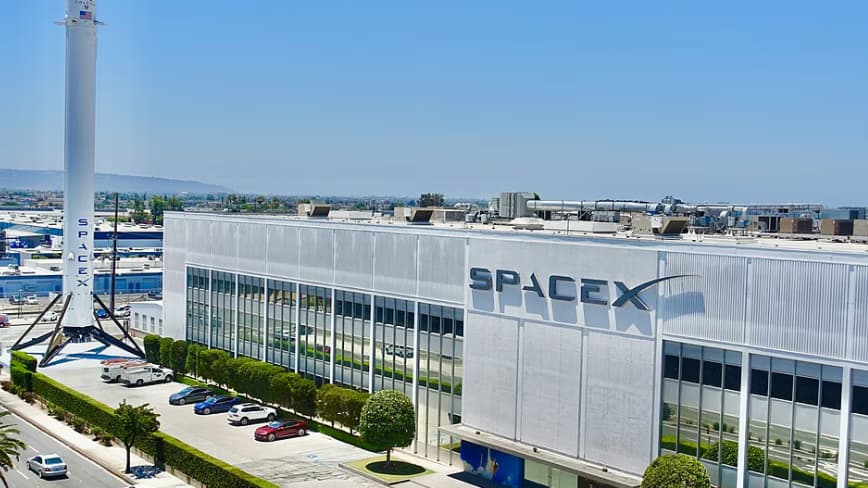
SpaceX is set to join the Nasdaq 100 index on July 7, a move expected to attract billions in passive investment. This inclusion follows Nasdaq's relaxed entry criteria, making it easier for companies like SpaceX, despite recent losses, to enter major indices. While some see it as a positive sign of
Key Insights
10 editorial insights.
SpaceX's upcoming inclusion in the Nasdaq 100 marks a significant milestone as it opens the door for billions in passive investment from index funds. This development underscores the easing of Nasdaq's entry requirements, highlighting a shift towards accommodating high-potential companies even amid financial instability.
Key players in this scenario include Nasdaq itself, which has adjusted its criteria, and SpaceX, a leader in the aerospace sector. Their relationship is pivotal as it reflects Nasdaq's recognition of the commercial space industry's growth potential, despite SpaceX's recent financial challenges.
The strategic importance of this development lies in the validation of the commercial space industry by mainstream financial indices. SpaceX's inclusion could inspire greater investment in related sectors, fostering innovation and competition among companies involved in aerospace and technology.
For SpaceX, this inclusion is likely to enhance its market visibility and credibility, potentially leading to increased funding opportunities. Investors and developers within the aerospace sector may also experience heightened interest, translating to accelerated project timelines and innovation.
This move is indicative of a broader trend where emerging technology firms are gaining traction in traditional finance, seen over the last year with companies like Rivian and Lucid Motors. The trend suggests that investors are increasingly willing to support high-risk, high-reward ventures, particularly in transformative industries.
The global space industry is projected to reach $1 trillion by 2040, with a compound annual growth rate of 5% over the next decade. SpaceX's inclusion in the Nasdaq 100 highlights its pivotal role in this expanding market, which is attracting significant investment attention.
However, the inclusion of SpaceX raises questions about the sustainability of its financial model, particularly given its recent losses. Investors may be wary of the potential volatility and the long-term profitability of space ventures, emphasizing the need for clearer financial pathways.
Competitors like Blue Origin and Rocket Lab may feel pressured to accelerate their own paths to public listing or index inclusion, thereby intensifying competition in the commercial space sector. This could lead to an arms race for innovation and market share among these players.
In the coming months, stakeholders should monitor regulatory developments surrounding space launches and operations, as well as potential changes in Nasdaq listing requirements. These milestones will be crucial for shaping the operational landscape for SpaceX and its competitors.
For technology professionals and investors, the inclusion of SpaceX in the Nasdaq 100 signals a shift in investment strategy towards innovative sectors. This development could reshape portfolio strategies, encouraging a focus on aerospace and technology convergence, influencing both investment decisions and technological advancements.
SpaceX's upcoming inclusion in the Nasdaq 100 index on July 7 is poised to draw significant passive investments, potentially in the billions. This development follows Nasdaq's easing of entry criteria, allowing companies with recent losses to gain access to major indices. Understanding the implications of this move is crucial for investors and stakeholders in the rapidly evolving tech landscape.
SpaceX's technical entry into the Nasdaq 100 relies on the updated eligibility standards established by Nasdaq, which now accommodate companies with varying financial health. This adjustment enables firms like SpaceX, despite facing financial challenges, to secure a position within this prestigious index. The shift in criteria signifies a broader acceptance of innovative but financially volatile companies within established financial frameworks.
In the broader context, the Nasdaq 100's evolution reflects a growing trend where technology firms are prioritized over traditional financial metrics. This shift is evident as major players in various sectors adjust their strategies to align with new investment patterns, illustrating how market dynamics are evolving. As passive funds increasingly look for exposure to tech-driven entities, this trend may alter investment flows and valuations across the board.
For India's technology ecosystem, SpaceX's Nasdaq debut could trigger a wave of passive investment strategies that Indian companies may need to adapt to remain competitive. Firms in the aerospace, satellite communications, and technology sectors could see increased scrutiny and interest. Additionally, developers and startups in India’s burgeoning space sector may find new opportunities for collaboration and funding as the country positions itself as a global player in this domain.
Key Highlights
- SpaceX's imminent Nasdaq 100 inclusion may attract billions in passive investments.
- The easing of criteria allows companies like SpaceX to enter major indices despite losses.
- The shift could reshape investment strategies, with substantial inflows anticipated.
- Indian tech companies in aerospace and satellite sectors could stand to gain significantly.
- Monitor developments as the inclusion date approaches for market reactions.
Real-World Impact
The immediate effects of SpaceX's Nasdaq 100 entry will resonate across various sectors, particularly for investment professionals and sector analysts. Job roles in financial services, trading, and investment management may undergo shifts as passive funds reallocate resources. Furthermore, industries linked to aerospace and technology will likely face increased competition and opportunity as a direct result of this event.
Why This Matters
This inclusion highlights a strategic shift in how tech firms are evaluated, prompting CTOs and developers to focus on innovation and market potential rather than solely on historical financial performance. This new paradigm encourages a more dynamic approach to investment that could spur growth in emerging tech sectors.
As SpaceX prepares for its Nasdaq 100 debut, stakeholders should closely monitor the response from passive investment strategies and their ripple effects on the Indian tech landscape. The evolving dynamics may herald a new era of investment that prioritizes innovation.
Found this useful? Share it!