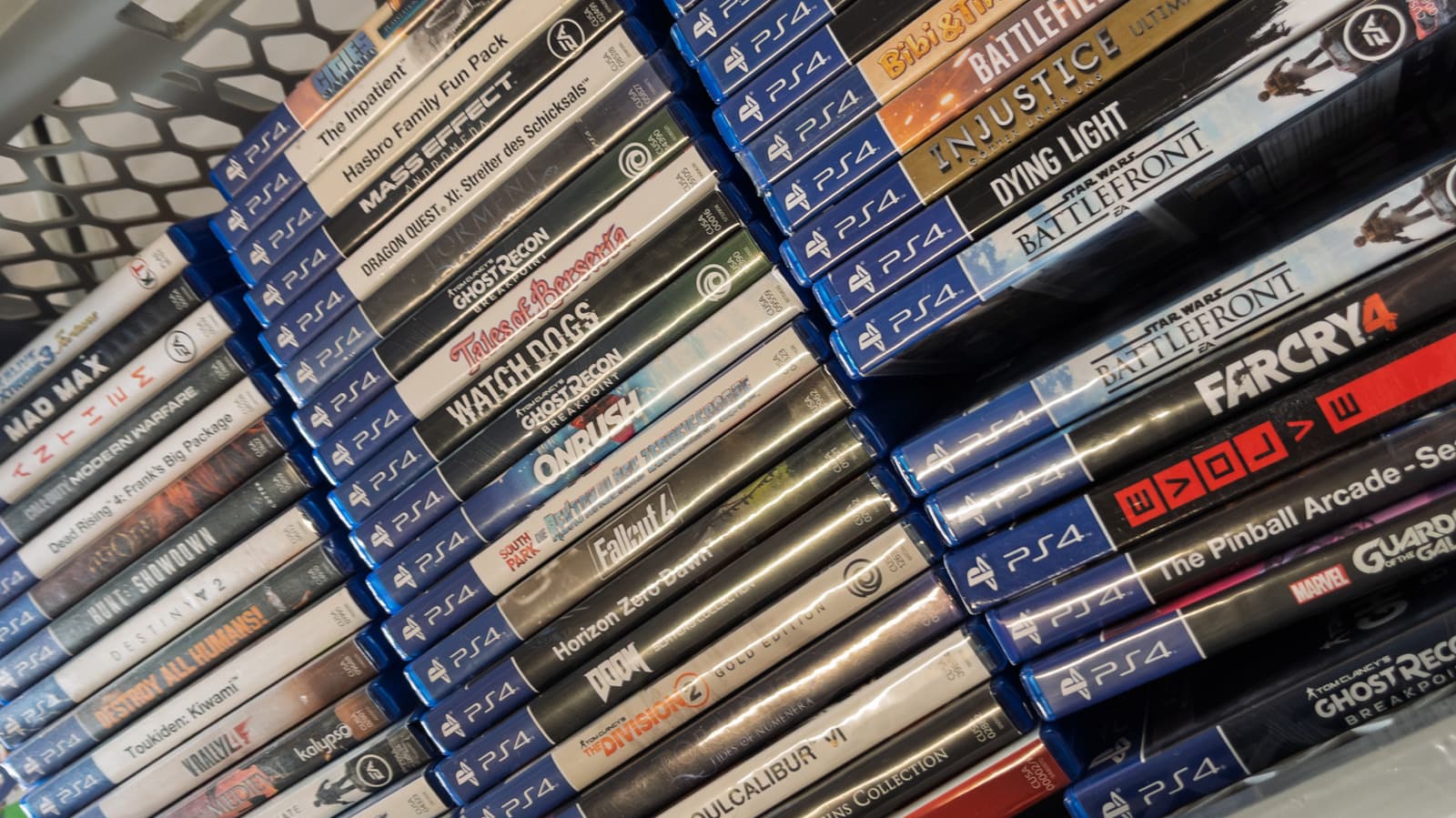
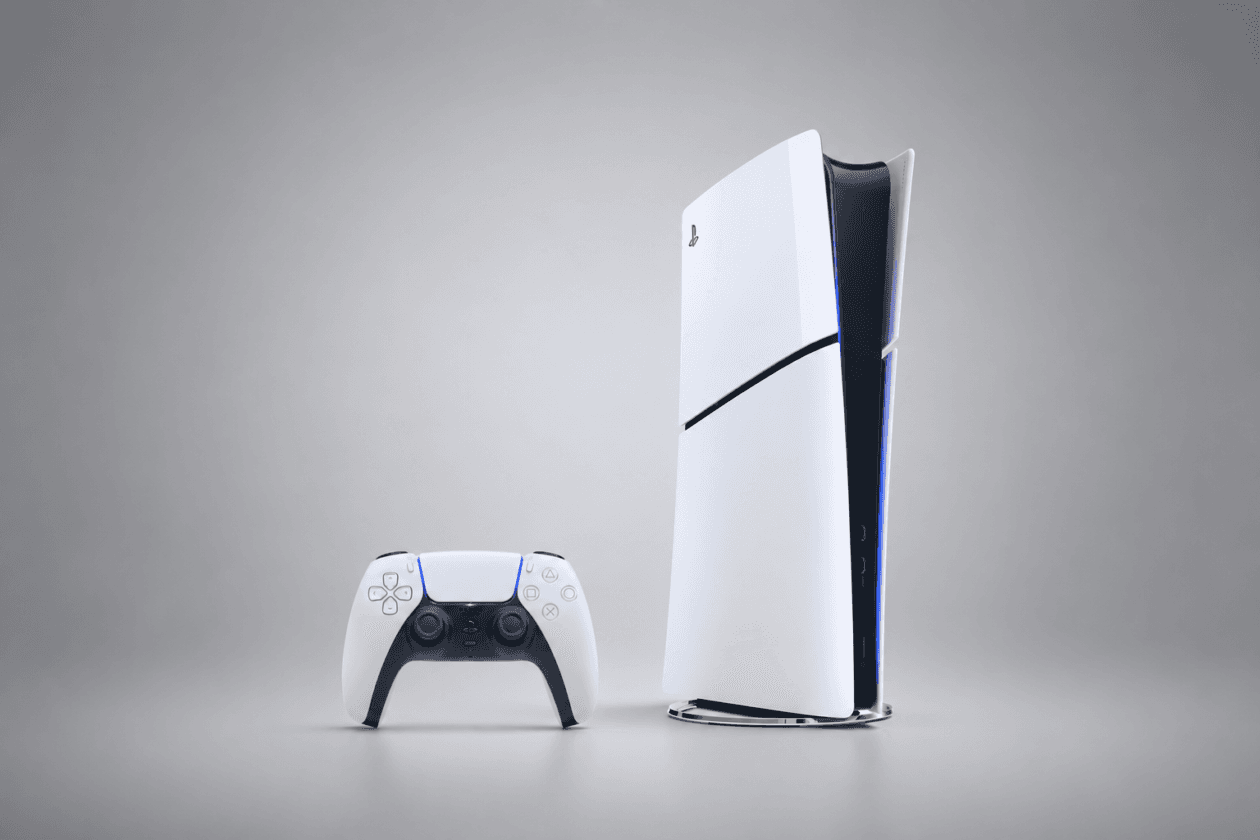
Unlike physical discs that can be traded, resold, or passed on, digital purchases are licences linked to user accounts. So is it really ownership? Or merely digital access?
Key Insights
10 editorial insights.
Sony's recent decision to focus on digital-only PlayStation consoles underscores a significant shift in the gaming landscape, raising critical questions about ownership rights. This move reflects a broader trend where physical media is increasingly sidelined, reflecting consumer preferences for convenience and instant access over traditional ownership.
Key players in this shift include Sony, which has over 100 million PlayStation users, and its competitors like Microsoft, which has also made strides in digital distribution through Xbox Game Pass. The implications of this transition affect not only console manufacturers but also game developers and publishers who must adapt their business models to this new digital environment.
This development is strategically important as it signifies a move towards subscription-based models that could reshape revenue streams in the gaming industry. As companies like Sony and Microsoft pivot towards recurring revenues, it could encourage a more sustainable financial ecosystem reliant on continuous user engagement rather than one-time game sales.
For end users, this shift may lead to a more limited sense of ownership, as digital licenses can restrict access when accounts are deactivated or if platforms are shut down. This change may drive users to reconsider the value proposition of digital purchases versus owning physical copies, especially for collectors and gamers who prefer tangible assets.
Over the past 12-24 months, the gaming industry has seen a surge in digital sales, with the global video game market projected to reach $159.3 billion by 2023, reflecting a compound annual growth rate of 9.3%. This trend towards digital consumption is indicative of a broader cultural shift as consumers embrace digital services across various sectors.
The primary risks associated with this digital shift include potential backlash from consumers who feel they are losing ownership rights and the possibility of increased regulatory scrutiny around digital licensing practices. Unresolved questions about transferability and resale rights could lead to legal challenges and require new frameworks to protect consumer interests.
In response to Sony's digital pivot, competitors like Nintendo and Microsoft may enhance their own digital offerings or reconsider how they structure ownership rights and digital sales. As consumer sentiment evolves, we could see new innovations in digital rights management that provide greater flexibility and consumer control.
In the next 6-12 months, key milestones to watch include potential regulatory actions regarding digital ownership rights and the emergence of new technologies that might facilitate better user control over digital content. The ongoing dialogue between companies and regulators will shape how digital ownership is defined.
For technology professionals and investors, this trend towards digital ownership raises essential considerations around intellectual property rights and consumer behavior. As companies adapt to a predominantly digital landscape, understanding the implications of ownership and licensing will be crucial for innovation and investment strategies in the gaming sector.
Ultimately, this shift towards digital-only gaming signifies a critical juncture for the industry where user control, monetization strategies, and regulatory frameworks will undergo significant transformations. For investors, recognizing the long-term sustainability of digital models and their effects on consumer loyalty will be paramount in shaping future business strategies.
Sony's transition to a predominantly digital PlayStation ecosystem has ignited significant debate over game ownership. As the company prioritizes digital downloads over physical discs, gamers are left questioning the true nature of ownership in a digital landscape. This shift matters not only for consumers but also for the future of gaming rights and access.
The technological backbone of Sony's digital PlayStation involves the use of cloud storage and DRM (Digital Rights Management) systems that link game purchases to user accounts. Unlike physical discs, which can be exchanged or sold, digital games operate on a licensing model. This model raises questions about the permanence and transferability of games, as players effectively do not own the software in the traditional sense, but rather access it through a license that can be revoked or altered by the provider.
In the broader gaming industry, this shift towards digital is mirrored by competitors like Microsoft and Nintendo, who also emphasize digital sales. Recent market data shows that digital game sales have outpaced physical sales significantly, with a substantial portion of revenue now generated from downloadable content (DLC) and microtransactions. This trend suggests that companies are aligning their business models with consumer preferences for instant access and convenience.
In India, the impact of this shift is particularly pronounced as the gaming market continues to grow rapidly. Local developers and gaming companies are adapting to this digital-first approach, which may benefit them by reducing distribution costs associated with physical media. However, concerns about digital ownership could deter some consumers, impacting sales and engagement within the Indian gaming community.
Key Highlights
- Sony transitions to a digital-first PlayStation model
- Games are licensed, not owned, challenging traditional ownership
- Digital game sales now account for over 70% of total revenue
- Consumers seeking ownership clarity may drive demand for alternatives
- Watch for regulatory changes regarding digital ownership rights
Real-World Impact
Immediate effects of Sony's digital shift are evident in job roles across the gaming industry, particularly in software development and customer support. As digital sales grow, there will be a need for more developers skilled in digital rights management and cloud services. Additionally, marketing strategies will need to adapt to focus on digital engagement rather than physical sales.
Why This Matters
This transition signifies a pivotal moment in how games are consumed and owned, prompting industry leaders to rethink strategies around digital content. For CTOs and developers, understanding the implications of digital licensing and ownership rights is crucial for future-proofing products and navigating consumer expectations.
As the digital landscape evolves, keeping an eye on regulatory responses to ownership rights will be essential. The gaming community's reaction to these changes could shape the direction of digital content distribution in the coming years.
Found this useful? Share it!