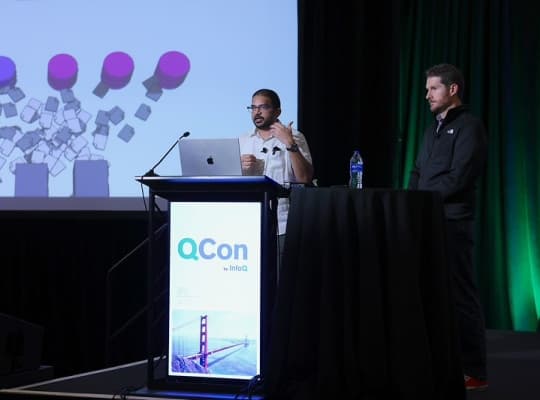
Agentic testing is an AI-driven approach to end-to-end test automation introduced by Slack engineering. It uses AI agents that execute workflows based on intent rather than fixed scripts, adapting to UI and system changes at runtime. The approach aims to reduce brittle tests in distributed systems w
Key Insights
10 editorial insights.
Slack has launched an innovative AI-driven testing framework called Agentic testing, aimed at revolutionizing end-to-end test automation. This system is particularly significant as it addresses the growing need for adaptable testing solutions amid rapidly changing software environments. By focusing on intent rather than rigid scripts, this approach enhances resilience in software development, a crucial factor for companies relying on distributed systems.
Agentic testing employs artificial intelligence agents that can execute workflows based on user intent, allowing for greater adaptability to changes in user interfaces and systemic variations during runtime. This contrasts sharply with traditional testing methods that depend on static scripts, which often lead to brittle tests that fail to account for dynamic conditions. The framework leverages advanced algorithms to understand context and behavior, ensuring tests remain relevant and effective even as software evolves.
In the broader tech landscape, the introduction of AI-powered testing tools aligns with ongoing trends toward automation and intelligent systems. Companies like Microsoft and Google are also developing similar capabilities, increasing the competitive pressure in the software development market. As organizations strive to enhance their agile development practices, the market for automated testing solutions is expected to grow significantly, with projections indicating a surge towards $50 billion by 2026.
In India, the impact of Slack's AI-driven approach could resonate strongly within the burgeoning tech ecosystem. Indian software firms and startups, particularly those focused on SaaS solutions, stand to benefit from integrating such flexible testing frameworks. With the Indian IT industry projected to grow to $350 billion by 2025, enabling faster delivery cycles through automated and resilient testing can give local developers a competitive edge in both domestic and global markets.
Key Highlights
- Slack launched Agentic testing to enhance test automation.
- Utilizes AI agents for adaptable end-to-end testing workflows.
- Automated testing market projected to reach $50 billion by 2026.
- Indian software firms may gain competitive advantage.
- Expect ongoing developments in AI-driven testing technologies.
Real-World Impact
The introduction of Agentic testing will significantly affect quality assurance roles, particularly in software development environments. Test engineers, developers, and product managers will need to adopt new methodologies that prioritize adaptability and resilience. This shift could lead to improved software quality and faster deployment times, ultimately benefiting end-users and businesses alike.
Why This Matters
This innovation signifies a larger trend towards utilizing AI to enhance operational efficiency in software development. As organizations embrace these changes, CTOs and developers must rethink traditional testing paradigms in favor of more dynamic, intent-based approaches. Embracing AI-driven solutions can lead to substantial improvements in development cycles and product reliability.
As AI-driven testing frameworks evolve, keeping an eye on their adoption rates and integration into existing workflows will be crucial. Companies that leverage these advancements early on may set themselves apart in the competitive landscape.
Deep Analysis
Multi-Source Intelligence
Found this useful? Share it!