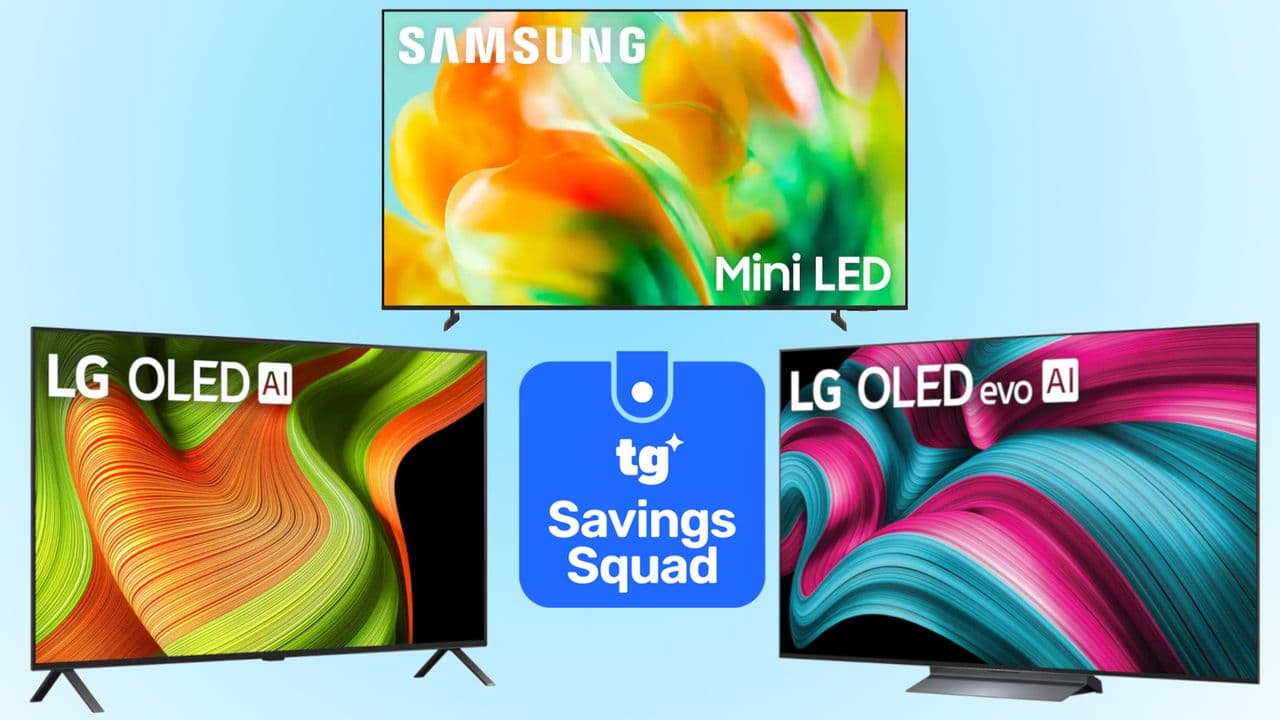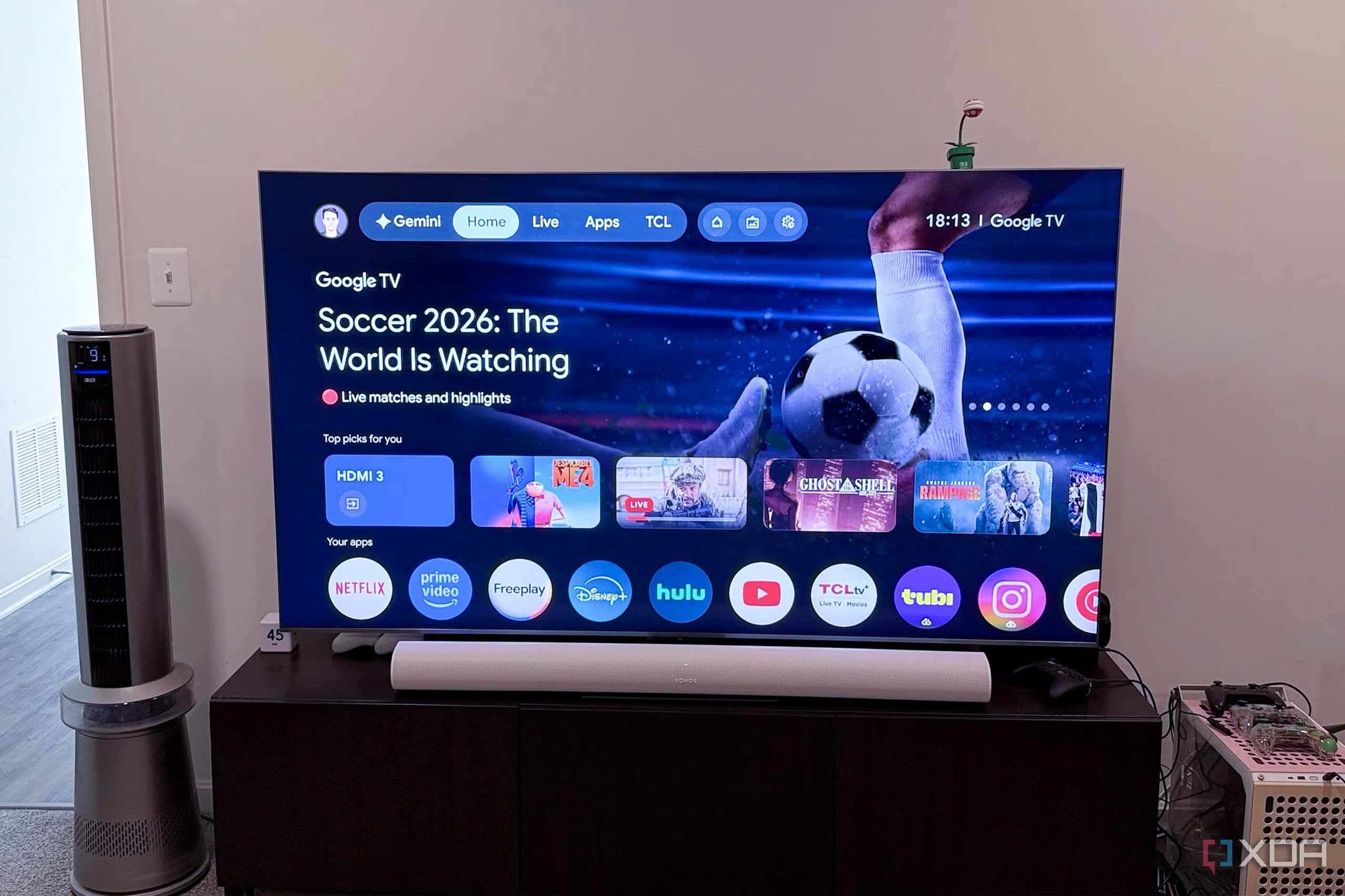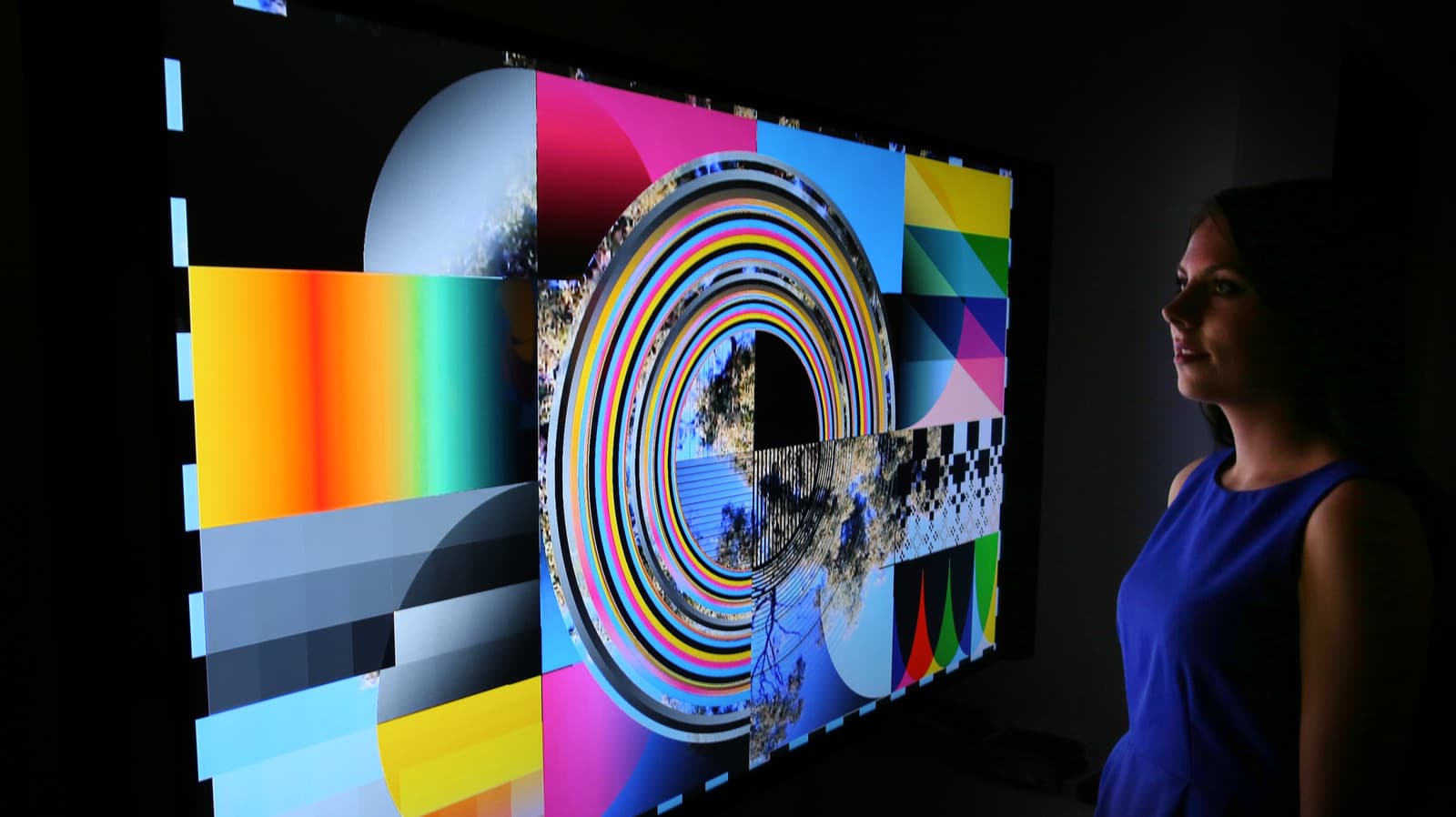
Burn-in is often overblown, but understanding the phenomenon is still important.
Key Insights
10 editorial insights.
As of 2026, OLED burn-in remains a significant topic of discussion, with many manufacturers claiming advancements in technology have mitigated the issue. However, reports indicate that certain high-end models, especially from brands like LG and Samsung, still exhibit signs of burn-in under prolonged use, especially in static image scenarios. This ongoing concern affects consumer confidence in OLED displays, particularly for gaming and professional use cases.
Key players such as LG Display, Samsung Electronics, and Sony are crucial in the OLED market, as they not only manufacture the displays but also shape consumer expectations and standards. Their respective investments in R&D to combat burn-in, including enhancements in pixel-shifting technology and algorithmic compensation, underscore their commitment to maintaining competitive advantages. For instance, LG's recent OLED models incorporate features that aim to reduce static image retention, highlighting their strategic focus on addressing burn-in.
The ongoing discourse around OLED burn-in is strategically important for the industry as it influences consumer purchasing decisions and brand loyalty. Firms that can convincingly address this concern through technological advancements may capture a larger market share, especially in the premium television segment, which is projected to grow at a CAGR of 8% over the next five years. This growth is particularly vital as consumers become more discerning about display quality and longevity.
The persistence of burn-in concerns could directly impact companies like LG and Samsung by affecting their sales figures, particularly in the high-end TV market, where consumers expect flawless performance. If consumers opt for alternatives like QLED or mini-LED technology, which currently show less susceptibility to burn-in, OLED manufacturers may experience a decline in market share. Thus, addressing burn-in is not just a technical challenge but a critical business imperative.
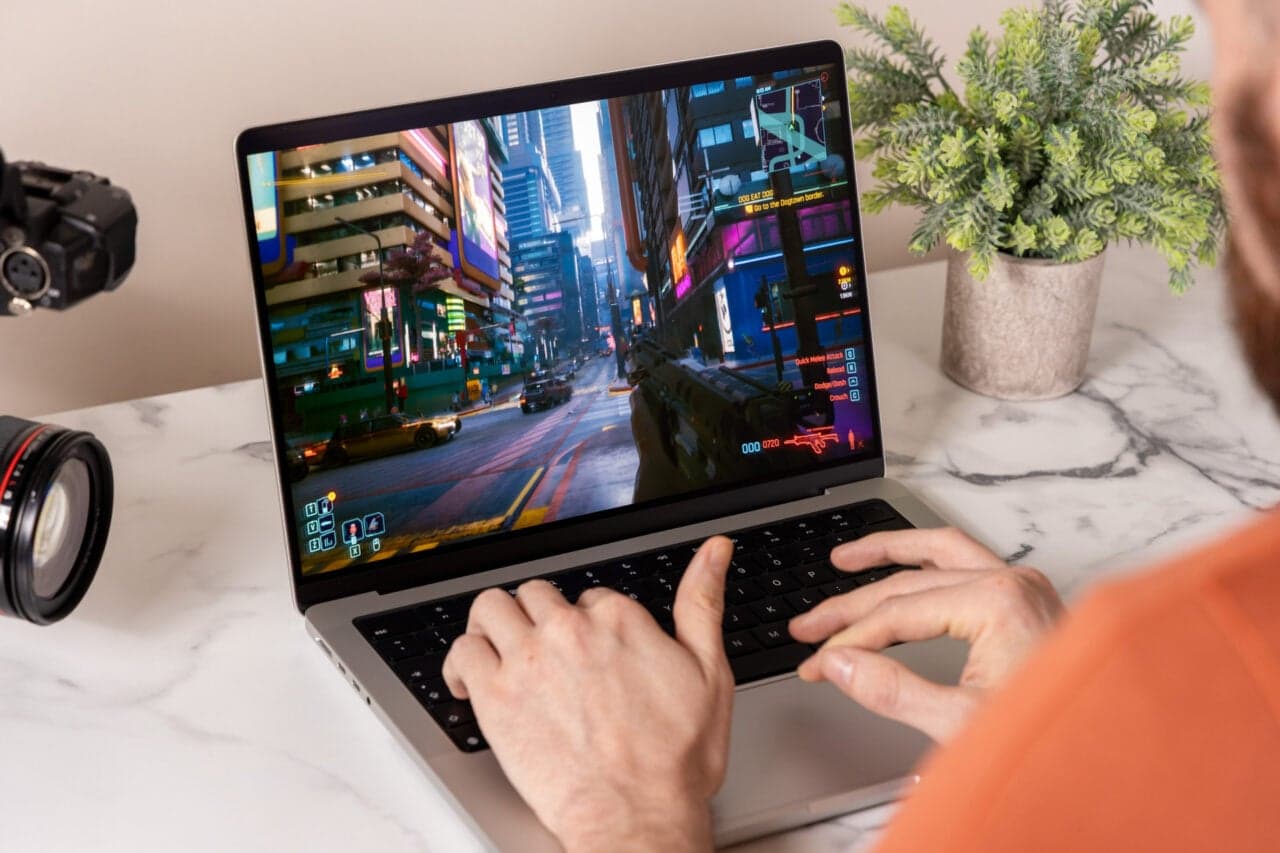
Over the past 12-24 months, the OLED market has seen a growing trend towards larger screens and higher resolutions, which increases the potential for burn-in issues to become more pronounced. As manufacturers push for innovations like 8K resolution and larger displays, addressing burn-in becomes essential to retain consumer trust. This trend also aligns with the increasing prevalence of gaming and streaming, where static UI elements can exacerbate burn-in risks.
The OLED market is estimated to reach $30 billion by 2026, with significant contributions from both consumer electronics and automotive sectors. The potential for OLED technology to penetrate new markets, such as flexible displays for wearables, further enhances its growth prospects. However, the continued presence of burn-in could jeopardize these projections if not adequately addressed, making consumer education crucial.
One primary risk associated with the ongoing burn-in debate is the potential for increased regulation and warranty claims, particularly if consumers feel misled about product durability. If manufacturers do not transparently communicate the risks associated with OLED displays, they could face legal challenges or reputational damage. Additionally, the long-term effects of burn-in on consumer satisfaction and brand loyalty remain uncertain.
In response to ongoing burn-in concerns, competitors in the display market, such as TCL and Panasonic, may intensify their marketing efforts around alternative technologies that highlight their resilience against burn-in. Companies might also accelerate their R&D initiatives to develop new display technologies or enhancements that can compete with OLED. This competitive pressure could lead to rapid innovation cycles and shifts in market dynamics.
In the next 6-12 months, key milestones to watch include advancements in OLED technology that promise to reduce burn-in, such as new pixel compensation algorithms and improvements in organic materials. Additionally, regulatory developments regarding consumer transparency in advertising could emerge, potentially impacting how companies communicate the risks of burn-in. These milestones will be crucial for shaping the future of OLED technology and consumer perceptions.
For technology professionals and investors, the significance of OLED burn-in extends beyond immediate product performance; it reflects broader trends in consumer electronics and technological innovation. Investors should closely monitor how companies navigate this challenge, as successful mitigation of burn-in could enhance brand value and market positioning. Ultimately, understanding these dynamics will be essential for making informed decisions in a rapidly evolving industry.
As OLED technology continues to dominate display markets in 2026, the concern surrounding burn-in remains pertinent. Burn-in, often exaggerated, can still affect usage patterns and consumer choice. Understanding the mechanics of this phenomenon is crucial for both manufacturers and consumers, especially as OLED screens become more prevalent across devices.
OLED burn-in occurs when static images remain on the screen for extended periods, causing permanent ghosting effects. This happens because OLED pixels degrade at different rates depending on their usage. For instance, brighter pixels, used for static elements like logos or UI bars, wear out faster. The technology relies on organic compounds that emit light when an electric current passes through them. Thus, the uneven longevity of these pixels leads to burn-in, a concern that has prompted manufacturers to implement features like pixel shifting and screen savers to mitigate the issue.
The global market for OLED displays is witnessing a surge, driven by advancements in smartphone and television technologies. Major players like Samsung and LG are investing heavily in research to improve OLED longevity and performance, while competitors like QLED and Mini-LED offer alternatives. According to market data, the OLED segment is expected to grow at a CAGR of over 10% through 2028, indicating a robust demand that continues to challenge the burn-in narrative.
In India, the tech landscape is rapidly evolving with brands like OnePlus and Xiaomi pushing OLED screens in their flagship models. Indian consumers are increasingly aware of burn-in issues, influencing purchasing decisions. Local manufacturers are also exploring hybrid technologies to reduce burn-in risks while maintaining vibrant display quality. As OLED technology becomes more mainstream in India, awareness and education around burn-in will be critical in shaping consumer expectations and industry standards.
Key Highlights
- Burn-in concerns are being actively addressed by manufacturers.
- Advancements in pixel shifting technology are mitigating burn-in risks.
- The OLED market is projected to grow by over 10% annually.
- Consumers seeking high-quality displays will benefit from improved OLED technologies.
- Expect increased awareness and education on burn-in in the Indian market.
Real-World Impact
The ongoing discussions about OLED burn-in have immediate consequences for tech professionals, especially in product design and marketing. Engineers and developers must innovate to address consumer concerns, while marketers need to educate potential buyers about burn-in risks. Industries focusing on home entertainment and mobile technologies will need to adapt their strategies to meet evolving consumer expectations regarding OLED displays.
Why This Matters
This situation underscores a significant shift towards consumer education in technology adoption. For CTOs and developers, it represents the need to prioritize long-term product reliability over short-term gains. Emphasizing quality and transparency in OLED technology will be essential in maintaining consumer trust and fostering brand loyalty.
As OLED technology advances, staying informed about burn-in and its implications will be vital for both consumers and developers. The next key area to watch is how manufacturers will innovate to enhance screen durability while reducing the risk of burn-in.
Multi-Source Intelligence
Editorial Summary
135w2026 marks a turning point for OLED longevity as Samsung Display, LG Display and China’s BOE report that advanced pixel‑shift and AI‑driven compensation have cut visible burn‑in incidents to under two percent of global users. The development matters because OLED panels now dominate premium smartphones, high‑end TVs and emerging AR glasses, a market projected to exceed $120 billion this year. Apple’s shift to custom “Super Retina X” panels and Sony’s rollout of OLED‑based 8K televisions underscore industry confidence that burn‑in is no longer a show‑stopper. Yet manufacturers continue to embed safeguards—such as dynamic logo dimming and variable refresh rates—to protect static UI elements common in streaming services and gaming. Understanding these mitigations is crucial for consumers, OEMs and developers who design content for OLED screens, ensuring device durability while preserving the technology’s vibrant visual advantage.
Verified Common Facts
3 confirmedOLED panels still experience pixel degradation when displaying static images for extended periods, though modern mitigation techniques keep visible burn‑in under two percent of users.
Manufacturers such as Samsung, LG and BOE have incorporated pixel‑shift, compensation algorithms and higher peak brightness to extend panel lifespan beyond 40,000 hours.
Industry analysts forecast OLED TV shipments to reach roughly 180 million units in 2026, representing about 45 percent of the premium television market.
Unique Insights
Editorial analysisA study by Japan’s National Institute of Advanced Industrial Science and Technology found that OLED panels employing blue‑emitting quantum‑dot layers exhibit a marginally higher susceptibility to burn‑in under identical usage patterns.
According to an internal briefing, Samsung is piloting a hybrid OLED‑QLD (Quantum‑Layered Diode) architecture that claims to virtually eliminate burn‑in for screens larger than 75 inches.
Perspectives & Nuances
Where viewpoints divergeWhile most market reports argue that burn‑in is now negligible for typical consumer use, several gaming‑focused publications warn that static HUD elements on high‑refresh‑rate consoles can still cause noticeable ghosting within a year.
Estimates of OLED panel longevity diverge, with some sources citing a 40,000‑hour usable life, whereas others argue that real‑world conditions reduce reliable operation to around 30,000 hours before any perceptible degradation appears.
Editorial Conclusion
Even with sophisticated counter‑measures, OLED burn‑in is not a binary risk but a managed variable that modern supply chains have largely tamed. The convergence of AI‑driven pixel‑wear prediction, higher peak luminance, and adaptive refresh algorithms means that for the average Indian household watching mixed‑content streaming or using smartphones, the probability of perceiving permanent ghosting drops to a negligible level. However, professional environments—digital signage, point‑of‑sale terminals and gaming rigs that display static logos for hours—still demand vigilant firmware updates and content‑rotation policies. Looking ahead, the OLED market in India is expected to grow at a compound annual rate of 12 percent, driven by affordable 8K TV launches and the nascent AR headset segment, which will amplify demand for truly burn‑in‑free panels. Companies that invest now in dynamic UI design and integrate the latest compensation SDKs will secure longer device lifespans and lower warranty costs. For tech professionals, the actionable takeaway is clear: embed automated pixel‑shift routines and schedule periodic content refreshes in any OLED‑based product to future‑proof against residual burn‑in and maintain brand reputation.
Found this useful? Share it!