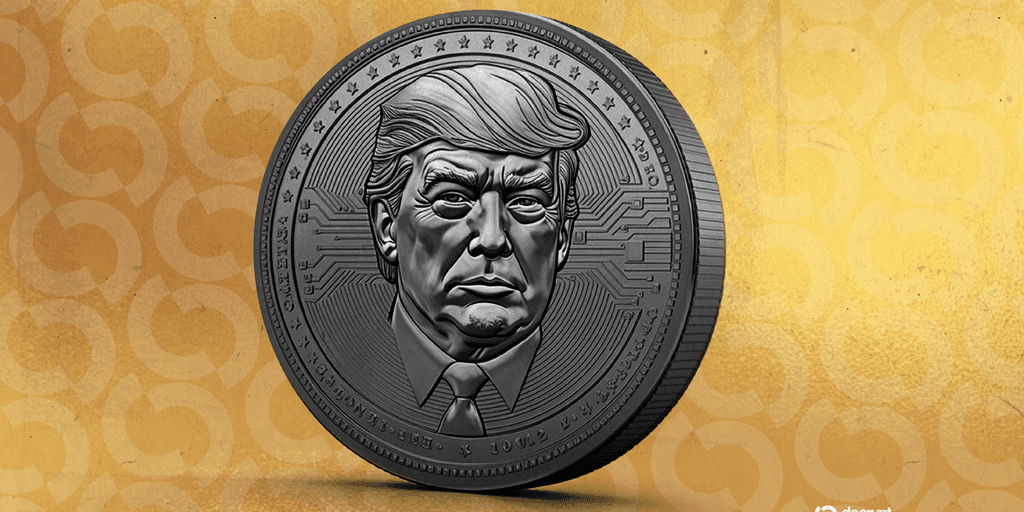
After President Trump disclosed over $1 billion in crypto-related earnings, Senator Kirsten Gillibrand is calling for a meme coin ban.
⚠️ Disclaimer: Cryptocurrency content on AiFeed24 is for informational purposes only and does not constitute financial or investment advice. Crypto investments are highly volatile and risky. Always consult a qualified financial advisor before making investment decisions.
Key Insights
10 editorial insights.
The recent revelation of President Trump's $1 billion in crypto-related earnings has triggered immediate scrutiny and calls for regulation, notably from Senator Kirsten Gillibrand, who is advocating for a ban on meme coins. This highlights the growing intersection of politics and cryptocurrency, where lawmakers are increasingly concerned about the implications of speculative investments on public trust and market integrity.
Key players in this scenario include President Trump, who has significant influence over public perception in the cryptocurrency space, and Senator Gillibrand, a prominent advocate for regulatory frameworks. Their actions reflect the dual pressures of political accountability and the need for clearer guidelines in a rapidly evolving market, impacting stakeholders from investors to developers.
This development is strategically significant as it signals a potential shift in how cryptocurrencies, particularly speculative assets like meme coins, may be viewed by regulators. Increased scrutiny could lead to tighter regulations, reshaping the landscape for existing and future projects, potentially stifling innovation while enhancing consumer protection.
The business impact of this regulatory push could be profound, particularly for companies in the meme coin space, such as Dogecoin and Shiba Inu, which have capitalized on viral trends. If regulations tighten, these companies may face challenges in maintaining user engagement and investment, possibly leading to decreased market capitalization and liquidity.
This incident connects to a larger trend observed over the past 12-24 months where regulatory frameworks are being developed globally, as seen with the European Union's Markets in Crypto-Assets regulation. It reflects an ongoing tension between innovation in blockchain technology and the need for regulatory oversight to prevent fraud and protect consumers.
The cryptocurrency market is currently valued at approximately $1 trillion, with meme coins contributing a significant share due to their viral nature. In recent months, meme coins have seen explosive growth, with instances like Dogecoin achieving a market cap of over $80 billion, underscoring the need for a balanced regulatory approach.
This situation introduces primary risks, including potential backlash from the crypto community against perceived overreach by lawmakers, which could lead to market volatility. Additionally, the uncertainty surrounding regulation may deter institutional investment, slowing the overall growth of the cryptocurrency sector and harming innovation.
Competitors in the crypto space, particularly established exchanges like Coinbase and Binance, are likely to respond by enhancing compliance measures and transparency to appease regulators. This could lead to a competitive advantage for platforms that proactively adopt robust governance frameworks as they seek to attract institutional clients wary of regulatory risks.
Key regulatory milestones to watch in the next 6-12 months include possible legislative proposals from Congress regarding cryptocurrency regulations and how they will address meme coins specifically. Furthermore, the SEC's actions regarding enforcement and clarity on asset classification will be crucial in shaping the future landscape of crypto investments.
For technology professionals and investors, the ultimate bottom-line significance lies in the necessity to adapt to a rapidly changing regulatory environment. Understanding the implications of these developments on market dynamics, compliance requirements, and investor sentiment will be critical for navigating future opportunities and risks in the cryptocurrency space.
Senator Kirsten Gillibrand has intensified her call for a ban on meme coins, especially those endorsed by politicians. This push comes in the wake of former President Donald Trump's revelation of over $1 billion in crypto-related earnings. Given the rising popularity and volatility of meme coins, Gillibrand's stance reflects growing concerns about the influence of crypto speculation on the political landscape and the need for regulatory frameworks.
Meme coins, often characterized by their community-driven nature and lack of intrinsic value, rely on social media hype rather than fundamental technology. They typically utilize blockchain technology, but their operational frameworks can differ significantly from established cryptocurrencies like Bitcoin or Ethereum. By proposing a ban on politicians promoting these assets, Gillibrand is addressing the potential for market manipulation and conflicts of interest, particularly when public figures leverage their platforms for personal financial gain.
The crypto market is currently undergoing significant changes, with meme coins facing increased scrutiny from regulators. As of 2023, the market has seen a proliferation of such coins, with many reaching multi-million dollar valuations despite their ephemeral nature. The trend of meme coins reflects a broader societal shift towards speculative investments, raising questions about investor protection and market integrity. Competitors within the cryptocurrency space are increasingly wary of the reputational risks posed by these assets.
In India, the crypto landscape is evolving rapidly, with several startups and developers working on blockchain-related projects. Gillibrand's call for regulation could resonate with Indian policymakers, especially as the country grapples with its own regulatory challenges concerning cryptocurrencies. Indian crypto exchanges have seen significant trading volumes in meme coins, and a ban on such assets could impact local traders and investors, altering the market dynamics significantly.
Key Highlights
- Gillibrand emphasizes the need for political accountability in crypto endorsements.
- Proposed regulations aim to curtail speculative trading in meme coins.
- The global crypto market is projected to exceed $3 trillion, with meme coins contributing to volatility.
- Investors in traditional cryptocurrencies may benefit from enhanced market stability.
- Anticipate upcoming legislative discussions on crypto regulations in the U.S. Congress.
Real-World Impact
The immediate effects of Gillibrand's proposal could alter the landscape for crypto investors, particularly those engaged in meme coins. Financial advisors, regulatory bodies, and exchange operators will need to adapt to the potential restrictions. As public sentiment shifts against speculative trading, job roles in trading platforms and advisory firms may see adjustments to align with new regulatory expectations.
Why This Matters
This initiative signifies a broader movement towards greater accountability in the crypto space, reflecting a shift in how governments perceive digital assets' role in society. CTOs and developers should closely monitor regulatory developments, adapting their strategies to ensure compliance and maintain consumer trust in their projects.
Looking ahead, the most critical aspect to watch will be the outcomes of legislative discussions surrounding cryptocurrency regulations. These developments could reshape the future of not only meme coins but also the broader cryptocurrency market.
Found this useful? Share it!