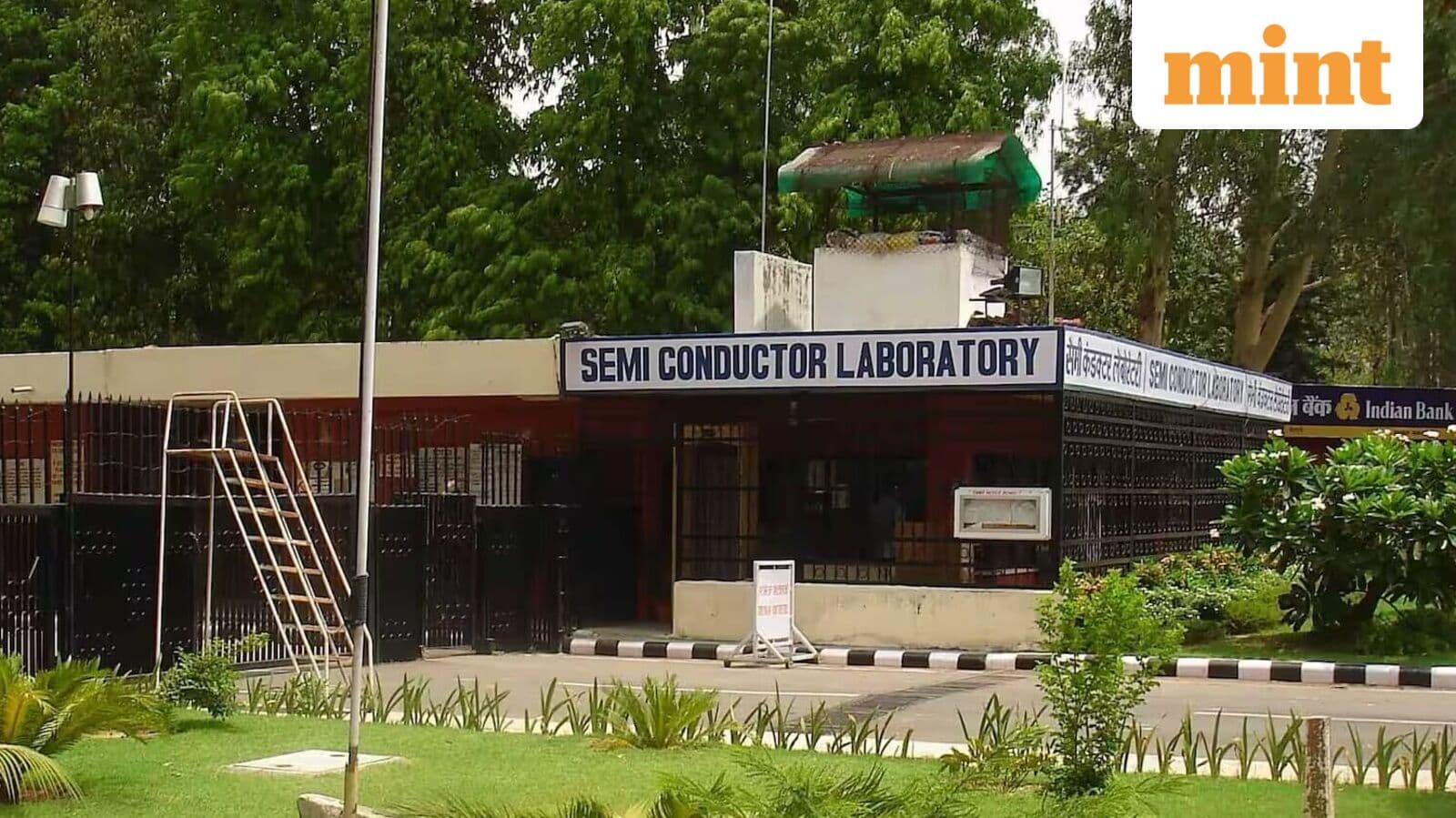
Kamaljeet Singh, director general of Semi-Conductor Laboratory, said upgrading to newer chip nodes will require three times the outlay of the ₹4,500 crore pitched by the Centre. It maintains that legacy-standard chips could be strategically important in defence and space applications.
Key Insights
10 editorial insights.
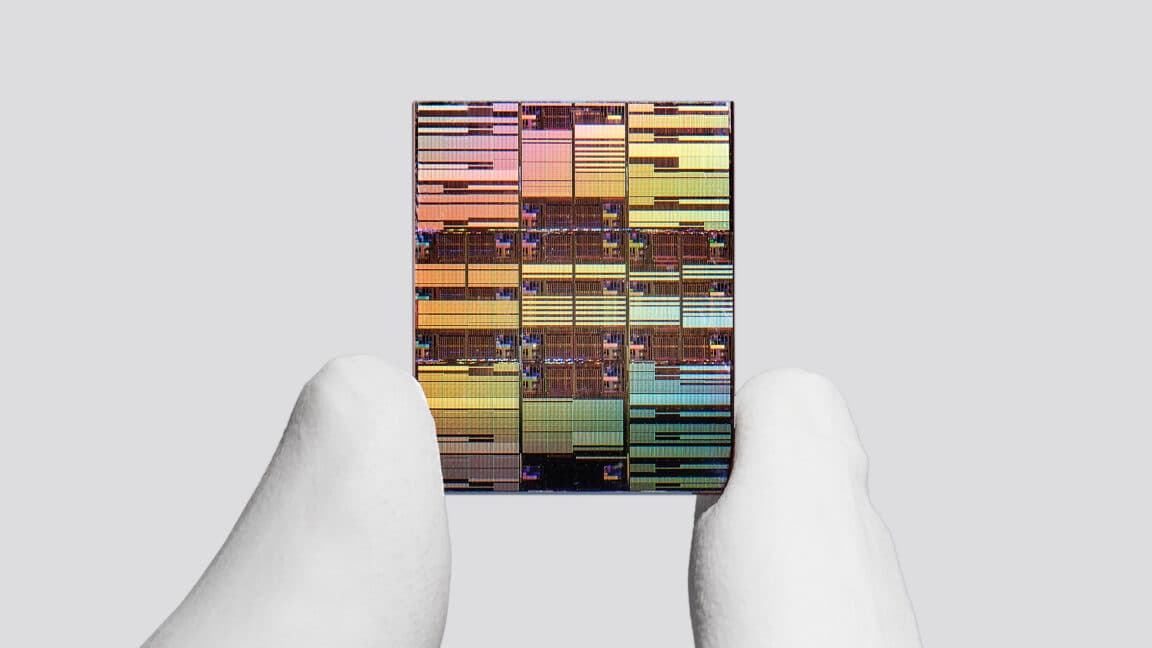
India's Semi-Conductor Laboratory (SCL) Mohali has retained its advanced 180nm chip technology, a strategic move that could impact the country's defence and space applications. This decision comes as the Centre pitches for an upgrade, which would require a significant outlay.
The 180nm chip technology is a legacy standard that still holds importance in specific applications, particularly in the defence and space sectors. Technically, this technology allows for the production of chips with a minimum feature size of 180 nanometers, which is relatively larger than the newer nodes. However, the older technology has its advantages, including lower production costs and established manufacturing processes.
In the broader industry context, the global semiconductor market is witnessing a trend towards miniaturization, with companies like TSMC and Samsung pushing the boundaries of chip manufacturing with newer nodes like 5nm and 3nm. However, the Indian market has its unique requirements, and the retention of 180nm technology could be a strategic move to cater to the domestic demand for chips in defence and space applications.
The decision to retain the 180nm technology is expected to have a significant impact on the Indian tech ecosystem, particularly for companies involved in the design and manufacturing of chips for defence and space applications. Indian companies like ISRO and Defence Research and Development Organisation (DRDO) could benefit from this decision, as they can continue to rely on the established 180nm technology for their specific requirements.
Key Highlights
- Retains advanced 180nm chip technology
- Legacy standard chips for defence and space applications
- Upgrade to newer nodes would require three times the outlay of ₹4,500 crore
- Indian companies like ISRO and DRDO to benefit from this decision
- Expected to drive growth in the Indian semiconductor market
Real-World Impact
The retention of 180nm technology is expected to have a concrete impact on job roles like chip designers, engineers, and manufacturers, particularly in the defence and space sectors. Industries like aerospace, defence, and electronics could also be affected, as they rely on the supply of chips for their products and services.
Why This Matters
This decision represents a strategic shift towards self-reliance in the Indian semiconductor market, particularly in the defence and space sectors. CTOs and developers in these sectors should take note of this development and plan their product roadmaps accordingly, considering the continued availability of 180nm technology.
As the Indian semiconductor market continues to evolve, the retention of 180nm technology is a significant development to watch. The next key milestone will be the growth of the domestic chip manufacturing ecosystem, driven by government initiatives and industry investments.
Deep Analysis
Multi-Source Intelligence
Found this useful? Share it!