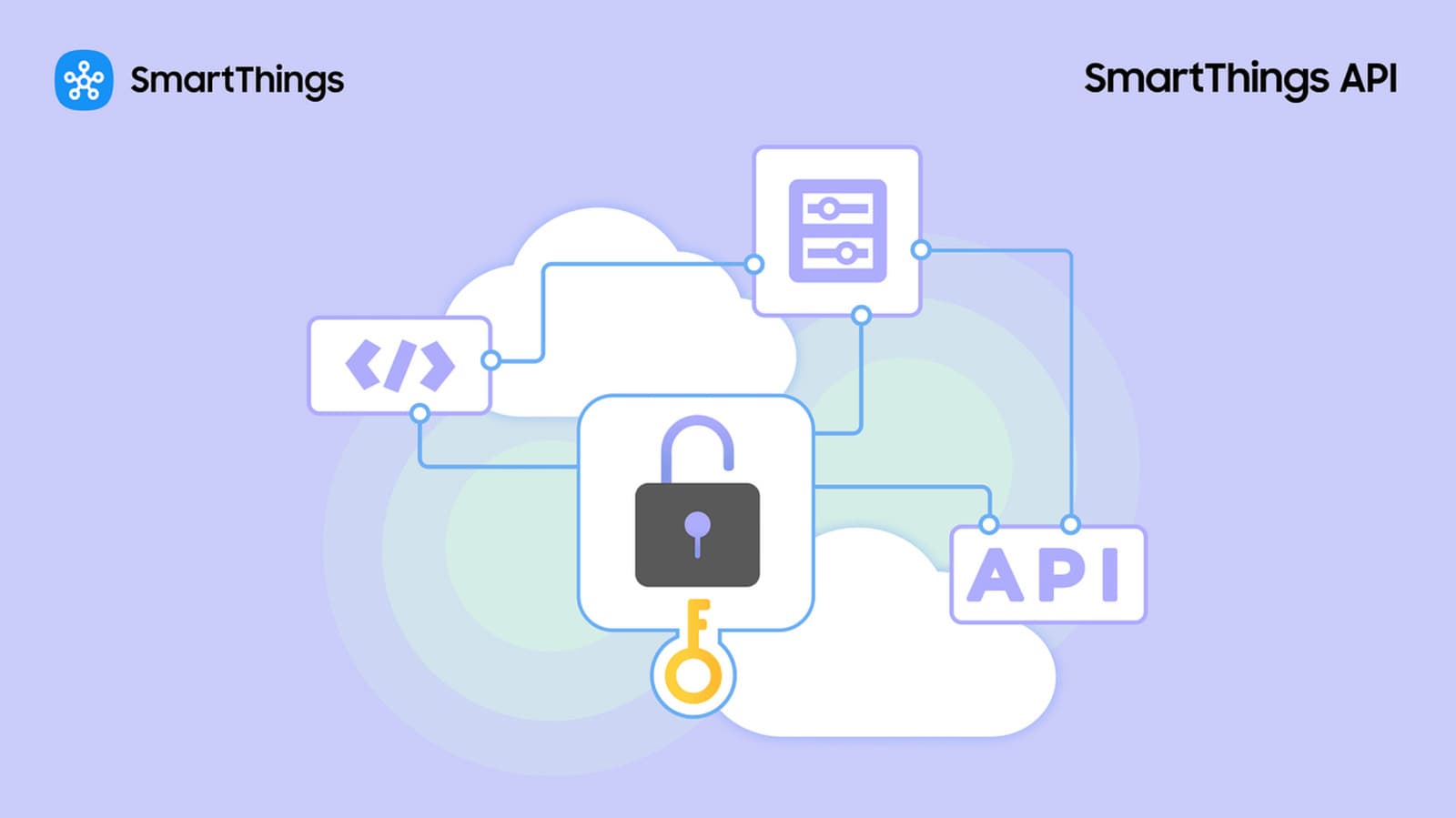
Samsung will start charging for SmartThings API access.
Key Insights
10 editorial insights.
Samsung's decision to implement a paid licensing model for its SmartThings API marks a significant shift in its business strategy. This move is intended to monetize its ecosystem of smart home devices, which could enhance revenue streams while potentially limiting access for smaller developers who may struggle with fees.
Key players in this scenario include Samsung, which is a major player in the smart home market, and third-party developers who have relied on free access to the SmartThings API. This shift could significantly impact companies like Philips and Nest, who integrate with SmartThings, as they now face a new cost structure in their development processes.
This development is strategically important because it reflects a broader trend of monetization within the IoT space, where companies are seeking sustainable revenue models. As smart home adoption continues to rise, Samsung's licensing model could become a blueprint for other tech giants, emphasizing the need for profitability in a competitive market.
The introduction of paid API access will likely increase operational costs for developers and companies building on the SmartThings platform. This could lead to higher prices for end users or reduced innovation if smaller developers exit the market due to these new financial barriers.
Over the past 12-24 months, there has been a growing trend of monetization within the tech industry, particularly in IoT and cloud services. Companies like Amazon and Microsoft have also shifted towards subscription and usage-based models, indicating a potential industry-wide pivot to generate predictable revenue streams.
The smart home market is projected to grow from approximately $80 billion in 2022 to over $135 billion by 2025, representing a CAGR of around 25%. As Samsung seeks to capture a larger share of this lucrative market through paid API access, it will need to balance monetization with maintaining a vibrant developer ecosystem.
One primary risk associated with this licensing model is the potential backlash from the developer community, which could lead to a decline in support for SmartThings. Additionally, unresolved questions remain about how Samsung will structure its pricing and whether it will deter innovation or drive developers to alternative platforms.
Competitors such as Amazon with Alexa and Google with Nest will likely respond by either enhancing their own ecosystems to attract developers or considering similar monetization strategies. This could escalate competition in the smart home space as companies vie for developer loyalty and market share.
In the next 6-12 months, it will be crucial to monitor how developers react to Samsung's licensing fees and whether the company experiences a reduction in third-party integrations. Additionally, any regulatory responses concerning fair access and competitive practices in the tech industry should also be watched closely.
For technology professionals and investors, this shift signifies a critical transition in how IoT platforms will operate moving forward. The implications of paid access could influence investment strategies, as companies that adapt to these changes may either thrive or struggle in a rapidly evolving market landscape.
Samsung has announced plans to implement fees for accessing its SmartThings API, a significant shift that could reshape the smart home landscape. This decision is crucial as it reflects the company's strategy to monetize its IoT ecosystem amidst increasing competition. Developers and companies leveraging SmartThings for their applications will need to reassess their cost structures and development approaches, making this a pivotal moment in smart home technology.
The SmartThings API enables developers to integrate their devices and applications with Samsung's smart home ecosystem. By charging for access, Samsung aims to create a sustainable revenue model while encouraging developers to innovate within its platform. The API allows for functionalities ranging from device control to automation workflows, leveraging protocols like Zigbee and Z-Wave. This change indicates a move towards a more commercial framework for the previously free service, prompting developers to evaluate the cost-benefit ratio of integrating SmartThings into their products.
In the broader context, the smart home market is experiencing rapid growth, with projections estimating it to reach $135 billion by 2025. Competitors like Amazon and Google have also monetized their smart home platforms, making this a strategic necessity for Samsung. As companies vie for market share, the introduction of fees could lead to a reevaluation of partnerships and integrations, influencing the overall competitive landscape in the IoT space.
In India, this decision could significantly impact local developers and tech startups focusing on smart home solutions. Companies like Oakter and Smarthome Solutions, which have been utilizing SmartThings for their offerings, will now need to factor in these costs into their business models. This change could lead to reduced innovation in the short term as startups reassess their strategies, while also prompting a push towards developing proprietary platforms or exploring alternative integrations.
Key Highlights
- Samsung initiates fees for SmartThings API access, altering ecosystem dynamics
- SmartThings API supports Zigbee and Z-Wave protocols, enabling device interoperability
- Global smart home market projected to reach $135 billion by 2025, intensifying competition
- Developers integrating SmartThings may face increased operational costs
- Expect updates on developer reactions and potential changes in the IoT competitive landscape
Real-World Impact
The implementation of fees for SmartThings API access will have direct consequences for developers, smart home startups, and companies relying on this integration. Developers may need to hire additional personnel to navigate the new cost structures or pivot to alternative solutions. The pricing model could particularly challenge small firms that lack the financial flexibility to absorb these costs, potentially stalling innovation in the smart home sector.
Why This Matters
This move signifies a strategic shift in how IoT companies monetize their platforms, highlighting a growing trend towards commercialization in the tech landscape. CTOs and developers must now prioritize cost analysis in their integration strategies and consider the sustainability of using existing APIs versus building in-house solutions. This change encourages a more competitive environment where developers may seek unique selling points to differentiate themselves.
As Samsung rolls out these fees, industry observers should closely monitor the reactions from developers and the subsequent impact on the smart home market. One of the crucial aspects to watch will be how this decision influences new partnerships and the innovation trajectory in IoT.
Found this useful? Share it!