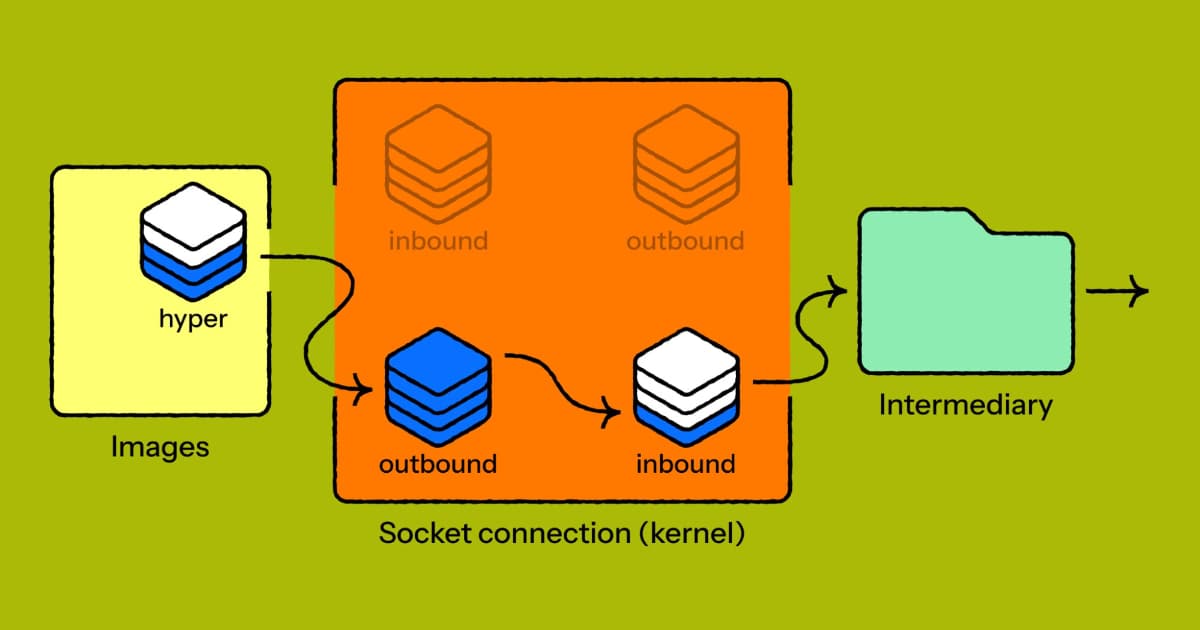
Here’s a question we hear often at Google Cloud: How do you safely run AI-generated code or untrusted binaries without putting your host application, data, and cloud credentials at risk? In other words, how do you give AI-written programs a safe space to run — one that keeps them completely separate
Key Insights
10 editorial insights.
Google Cloud has introduced enhanced isolation capabilities for AI-generated code within its Cloud Run environment. This development is crucial as it allows developers to safely execute untrusted binaries without jeopardizing their host applications or sensitive data. With the growing reliance on AI in software development, this feature addresses a pressing concern in the tech community, ensuring that innovation can continue without compromising security.
The new isolation features leverage advanced containerization techniques to create secure environments for running AI-generated code. By utilizing unprivileged containers, Google Cloud ensures that any potentially harmful operations are confined to an isolated space. This means that the host application, data, and cloud credentials remain unaffected. Additionally, the integration of security policies and runtime protections provides an extra layer of defense against malicious code. Developers can now execute code with peace of mind, knowing that strict isolation mitigates risks associated with untrusted binaries.
In the broader cloud computing landscape, this move by Google Cloud reflects a growing trend towards enhanced security measures as AI technologies proliferate. Competitors like AWS and Microsoft Azure are also focusing on isolating untrusted code execution but may not yet offer the same level of granularity in isolation as Cloud Run. As organizations increasingly adopt AI-driven tools, the demand for secure execution environments is likely to escalate, prompting further innovations in cloud security across the industry.
For the Indian tech ecosystem, this development is particularly significant as the country witnesses a surge in AI adoption among startups and established enterprises. Companies in sectors such as fintech, e-commerce, and health tech are increasingly leveraging AI for automation and data analysis. The enhanced security features of Cloud Run will enable Indian developers to innovate without fear of compromising data security, fostering a more robust AI landscape. Additionally, educational institutions focused on tech training are likely to incorporate these new capabilities into their curricula.
Key Highlights
- Google Cloud enhances isolation for AI-generated code execution.
- Utilizes unprivileged containers for secure execution environments.
- Cloud security demand projected to grow as AI adoption rises.
- Developers and enterprises benefit from reduced security risks.
- Expect further innovations in cloud security tools in 2024.
Real-World Impact
Immediate effects will be felt across various roles, particularly among software developers and cybersecurity experts. Companies that rely on AI for product development will find these enhancements critical for maintaining data integrity. Industries like fintech and e-commerce, where data sensitivity is paramount, will particularly benefit from this added layer of security in their cloud applications.
Why This Matters
This development signifies a pivotal shift towards prioritizing security in AI-driven coding practices. For CTOs and developers, adopting these new isolation measures will be crucial in protecting sensitive information while utilizing AI tools. Organizations must now reassess their security protocols to incorporate such innovations, ensuring that their cloud environments are not only efficient but also secure against potential threats.
As AI technologies continue to evolve, keeping an eye on how security measures adapt will be essential. The next significant advancement to watch for could be the integration of AI-driven security analytics within cloud environments, enhancing real-time threat detection.
Deep Analysis
Multi-Source Intelligence
Found this useful? Share it!