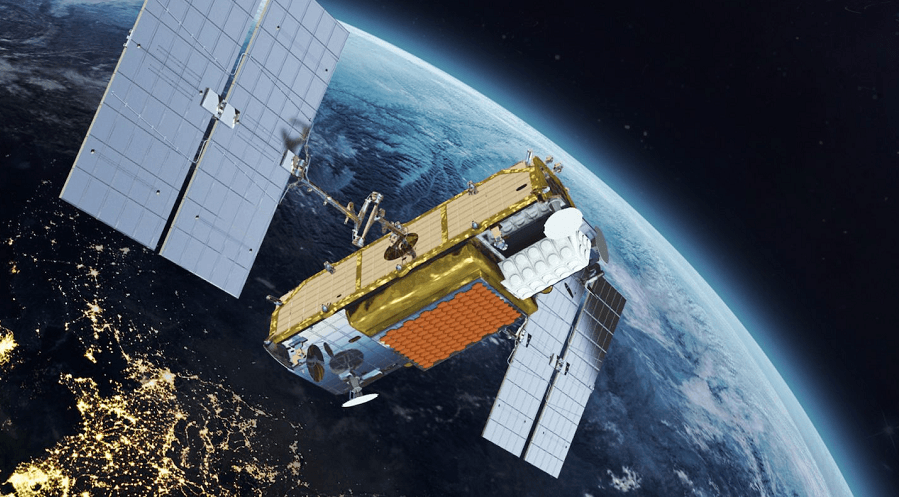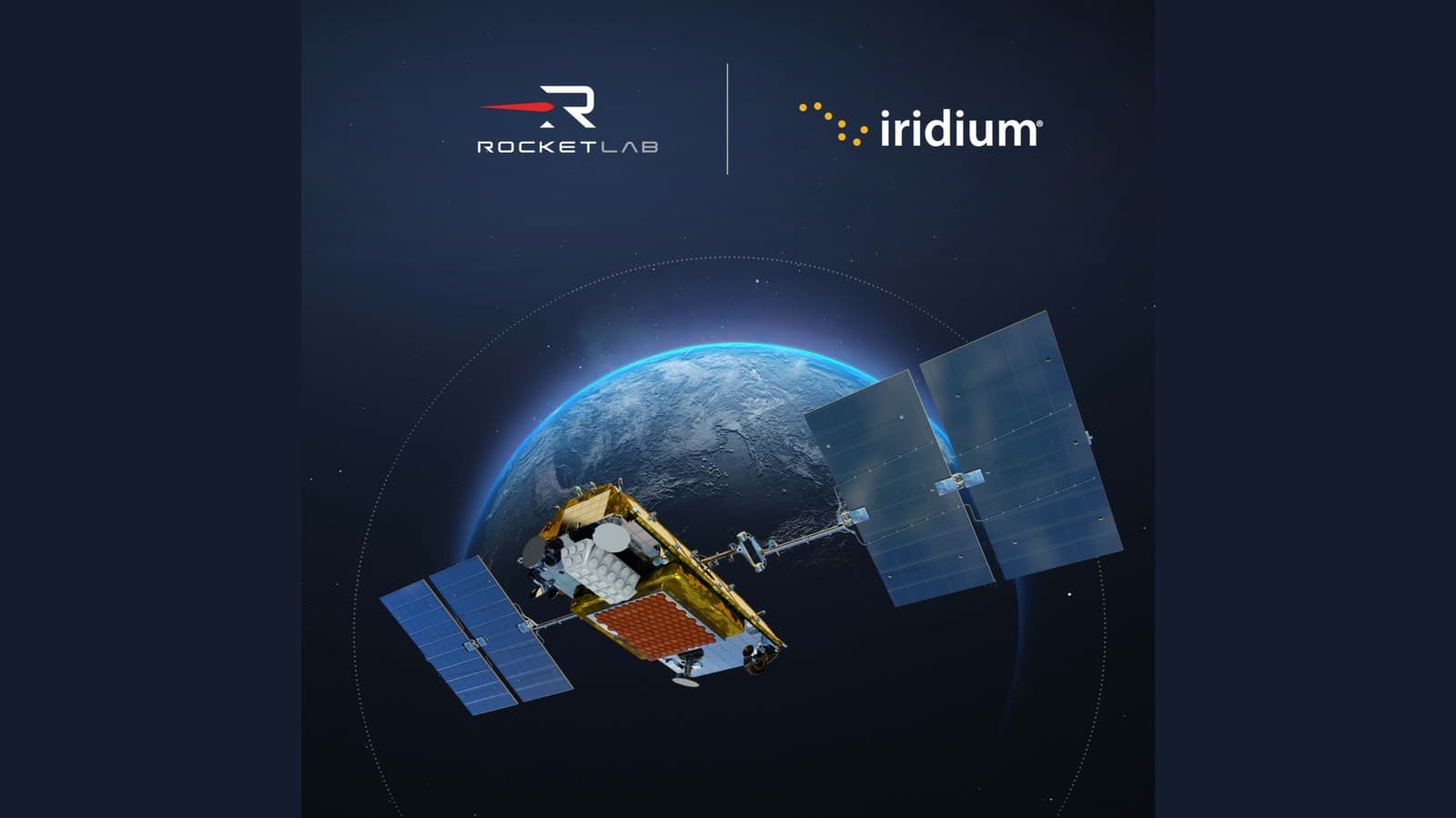
Rocket Lab will own satellites connecting the most remote corners of the Earth.
Key Insights
10 editorial insights.
Rocket Lab's acquisition of Iridium represents a significant shift in the satellite communications landscape, positioning Rocket Lab as a leader in global satellite connectivity. By gaining access to Iridium's extensive satellite network, Rocket Lab can enhance its service offerings, particularly in remote areas where traditional connectivity options are limited.
Key players in this acquisition include Rocket Lab, known for its innovative launch capabilities, and Iridium, a pioneer in satellite communications. This strategic partnership allows Rocket Lab to leverage Iridium's established infrastructure, which could lead to more reliable and widespread satellite services for various sectors, including maritime and aviation.
This development is strategically important as it underscores the growing demand for global connectivity, particularly in underserved regions. As industries increasingly rely on real-time data and communications, Rocket Lab's enhanced capabilities could make it a preferred partner for governments and enterprises looking to expand their satellite communication services.
The business impact of this acquisition could be substantial, potentially opening new revenue streams for Rocket Lab. By providing critical satellite services to industries that require constant connectivity, such as agriculture and logistics, the company could see its annual revenue grow significantly, tapping into the expanding satellite communication market, projected to reach $300 billion by 2025.
This acquisition reflects a broader trend in the space industry where companies are increasingly consolidating to enhance their service offerings and operational efficiencies. Over the past 12-24 months, there has been a surge in mergers and acquisitions as firms seek to diversify their portfolios and increase competitiveness in the rapidly evolving satellite sector.
The satellite communications market is experiencing robust growth, with a projected compound annual growth rate (CAGR) of 8% over the next five years. As demand for satellite broadband services rises, especially in remote areas, the market size could expand from $150 billion in 2023 to over $300 billion by 2030, highlighting the significance of Rocket Lab's acquisition.
A primary risk associated with this acquisition lies in the integration of Iridium's technology with Rocket Lab's existing systems. Challenges may arise in aligning operational protocols and ensuring seamless service delivery, which could impact customer satisfaction and retention if not managed effectively.
Competitors such as SpaceX and OneWeb are likely to respond aggressively to Rocket Lab's acquisition by enhancing their own satellite offerings or pursuing similar strategic partnerships. This competitive pressure could lead to a race for technological advancements and market share, prompting further innovation within the satellite communication sector.
In the next 6-12 months, it will be crucial to monitor Rocket Lab's progress in integrating Iridium's satellite network and any regulatory approvals needed for expanded service offerings. Additionally, developments in spectrum allocation and compliance with international satellite regulations will be key milestones that could influence market dynamics.
The bottom-line significance for technology professionals and investors lies in the potential for increased investment in satellite communications infrastructure. As Rocket Lab solidifies its position in the market, stakeholders should evaluate opportunities for growth and innovation, particularly in sectors reliant on advanced communication solutions for operational efficiency.
Rocket Lab has made a strategic acquisition by purchasing satellite company Iridium, positioning itself to compete directly with industry giants like Starlink and Amazon's Project Kuiper. This move signifies a bold step towards enhancing global connectivity, especially in underserved regions. As demand for satellite-based internet grows, Rocket Lab aims to leverage Iridium's infrastructure to offer robust solutions in remote areas, making this acquisition a pivotal moment in the satellite communications landscape.
Rocket Lab's acquisition of Iridium is set to enhance its satellite communication capabilities significantly. Iridium operates a constellation of 66 low Earth orbit (LEO) satellites that provide voice and data services globally, particularly in remote areas where traditional internet infrastructure is lacking. By integrating Iridium's technology, Rocket Lab can offer low-latency communication solutions, leveraging advanced technologies such as frequency modulation and digital signal processing. This technical foundation will enable Rocket Lab to enhance its service offerings, making them competitive against other key players in the satellite internet market.
The satellite communications market is rapidly evolving, with major players like SpaceX's Starlink and Amazon's Project Kuiper investing heavily in expanding their LEO networks. As of mid-2023, Starlink boasts over 4,000 satellites in orbit and continues to grow its subscriber base, projected to exceed 20 million users by 2025. Rocket Lab’s acquisition of Iridium allows it to tap into this lucrative market, where satellite internet is expected to reach a valuation of $75 billion by 2027. This intensifying competition drives innovation and service improvements across the sector.
In India, the impact of Rocket Lab’s acquisition could resonate significantly within the burgeoning satellite communications ecosystem. Companies like Bharti Airtel and Reliance Jio are already exploring satellite-based solutions to bridge the digital divide in rural areas. Rocket Lab's enhanced capabilities could provide local telecom operators with new opportunities to partner for improved connectivity services. Additionally, Indian startups focusing on space technology and satellite communications may find increased opportunities for collaboration, fostering growth in the country’s space sector.
Key Highlights
- Rocket Lab acquires Iridium to expand satellite communication
- Iridium's constellation of 66 satellites enhances global connectivity
- Satellite internet market expected to reach $75 billion by 2027
- Telecom operators and rural communities stand to benefit most
- Next steps include integrating Iridium's technology by Q2 2024
Real-World Impact
This acquisition is poised to impact various sectors, particularly in telecommunications and rural internet provision. Job roles in satellite communications engineering, network management, and rural connectivity solutions are likely to see increased demand. Furthermore, companies involved in satellite manufacturing and launch services may experience a boost as Rocket Lab expands its capabilities, creating new opportunities in India's tech landscape.
Why This Matters
This acquisition signifies a strategic shift in the satellite communications industry, reflecting a growing trend towards integrated solutions for global connectivity. CTOs and developers should take note of the competitive landscape and consider how partnerships with satellite service providers could enhance their service offerings. Emphasizing low-latency solutions and remote service capabilities will be crucial for maintaining a competitive edge in the evolving tech ecosystem.
Looking ahead, the integration of Iridium's technology into Rocket Lab’s offerings will be pivotal to watch. Companies and consumers alike should prepare for innovative service launches by mid-2024, potentially transforming access to the internet in remote regions.
Found this useful? Share it!