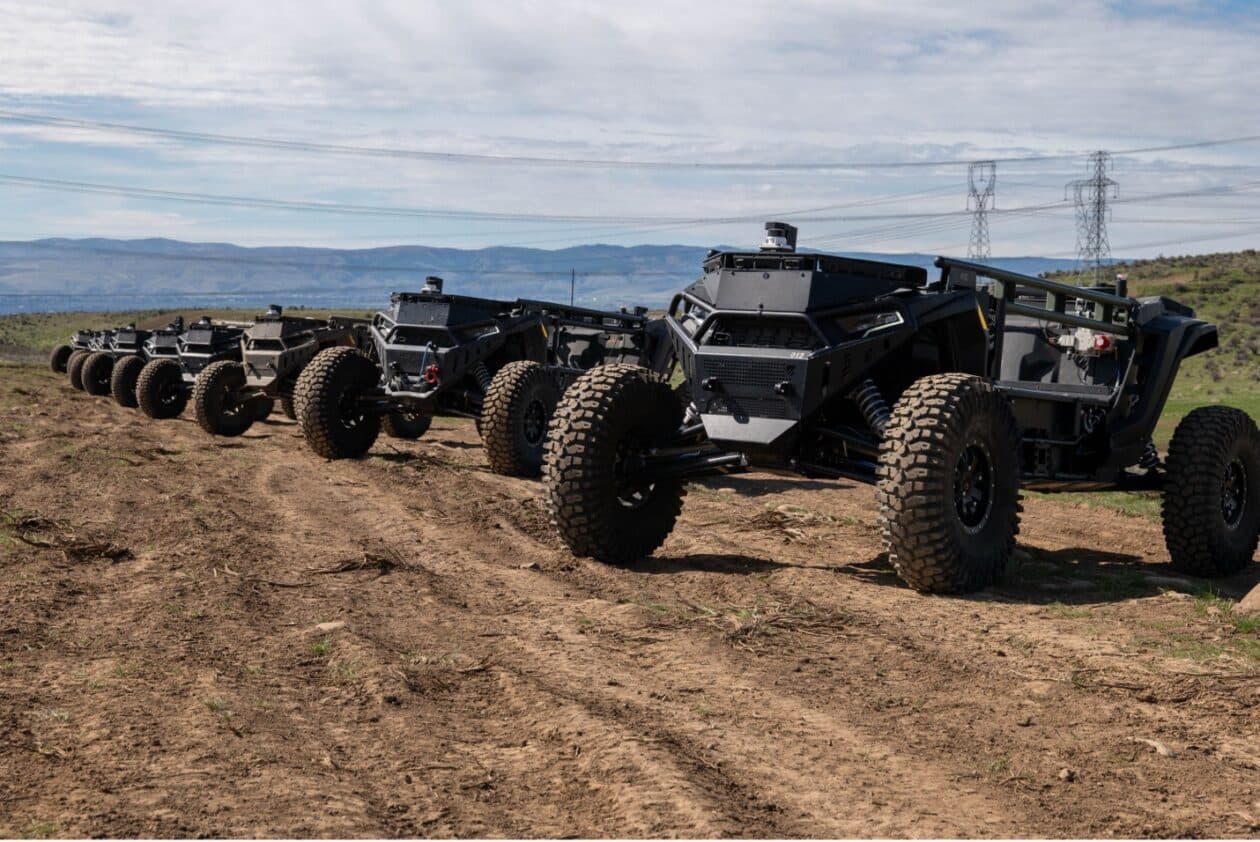
Autonomous Fleet Efficiency: Aseon Labs Optimizes Idle Time
Aseon Labs, which came out of Y Combinator's 2026 spring cohort, has raised $10 million from Crane Venture Partners and others.
Key Insights
10 editorial insights.
Aseon Labs has secured $10 million in funding to develop innovative maintenance solutions for robotaxis, which is crucial as the sector grows. This funding indicates investor confidence in the necessity of on-board charging and cleaning technologies that can enhance operational efficiency, potentially transforming how robotaxi fleets manage upkeep.
Key players in this development include Aseon Labs, backed by Crane Venture Partners, a firm known for investing in disruptive technologies. Their involvement highlights a strategic focus on automating and optimizing the maintenance of autonomous vehicles, a critical area as the market for robotaxis is projected to exceed $1 trillion by 2030.
The introduction of on-board charging and cleaning solutions is strategically significant as it addresses two major operational costs for robotaxi operators: downtime and maintenance. By minimizing these factors, Aseon Labs positions itself to significantly reduce operating expenses, making the deployment of robotaxis more economically viable.
For companies operating in the robotaxi space, such as Waymo and Cruise, Aseon Labs' innovations could lead to reduced maintenance costs and improved fleet availability. End users may benefit from more reliable service, which could enhance user adoption and satisfaction as these solutions lower wait times and increase ride frequency.
This development connects to a broader trend in the autonomous vehicle market focused on enhancing operational efficiency through technology. Over the past 12-24 months, there has been a surge in investments aimed at automating various aspects of vehicle maintenance and operation, indicating a shift towards more sustainable and cost-effective solutions.
The robotaxi market is expected to grow at a compound annual growth rate (CAGR) of over 40% from 2023 to 2030, suggesting a rapidly expanding opportunity for companies like Aseon Labs. This growth necessitates innovative solutions that can keep pace with the increasing demand for reliable and efficient autonomous transportation.
One primary risk is the technological reliability of Aseon Labs’ systems, as any failure in maintenance or cleaning could lead to significant downtime for fleet operators. Additionally, the adoption of their technology may face challenges in integration with existing systems and varying regulatory standards across regions.
Competitors, including established players like Zoox and newer entrants, will likely respond by accelerating their own innovations in maintenance technologies. This competitive pressure could lead to a faster pace of technological advancements and potentially lower costs for maintenance solutions across the industry.
In the coming 6-12 months, it will be essential to monitor regulatory developments surrounding autonomous vehicle operations and maintenance standards. Key milestones could include new guidelines from agencies like the National Highway Traffic Safety Administration (NHTSA) that could influence how technologies like those from Aseon Labs are implemented.
Ultimately, this development signals a critical shift for technology professionals and investors towards recognizing the importance of maintenance solutions in the autonomous vehicle ecosystem. The ability to efficiently manage robotaxi fleets will be a key determinant of success, making investments in such technologies increasingly attractive.
Aseon Labs, a startup emerging from Y Combinator's 2026 spring cohort, has raised $10 million in funding to tackle the inefficiencies of autonomous vehicle fleets. With autonomous cars often sitting idle for hours, this innovative solution aims to enhance fleet utilization, ultimately impacting the future of transportation and smart city infrastructure.
Aseon Labs is leveraging advanced algorithms and machine learning to optimize the operational efficiency of autonomous vehicle fleets. By analyzing real-time data regarding traffic patterns, demand forecasts, and vehicle availability, the startup can dynamically assign tasks to vehicles, reducing idle times significantly. Their technology integrates with existing fleet management systems to make real-time adjustments, ensuring that vehicles are deployed where they are needed most, thereby maximizing productivity and minimizing operational costs.
The autonomous vehicle landscape is rapidly evolving, with numerous players aiming to improve fleet management. Companies like Waymo and Zoox are also developing sophisticated solutions, but they often focus primarily on vehicle navigation. Aseon Labs distinguishes itself by specifically targeting the problem of idle time, a critical factor that can affect the profitability of fleets. With the global autonomous vehicle market projected to reach $800 billion by 2035, optimizing fleet efficiency has become a crucial component for operational success.
In India, the burgeoning tech ecosystem is ripe for solutions like those offered by Aseon Labs. Companies such as Ola and Zomato are exploring autonomous vehicle applications, making fleet efficiency even more critical. As the demand for delivery services and urban transport grows, startups focusing on optimizing fleet performance will find fertile ground in Indian cities. This technology could significantly enhance operational capabilities, reducing costs and improving service delivery in rapidly expanding urban environments.
Key Highlights
- Aseon Labs raises $10 million to enhance autonomous fleet efficiency
- Utilizes machine learning algorithms to reduce idle times
- The autonomous vehicle market projected to reach $800 billion by 2035
- Indian companies like Ola will benefit from improved fleet management
- Expect further developments in smart fleet technologies over the next year
Real-World Impact
The advent of Aseon Labs’ technology directly influences roles in fleet management, logistics, and urban transportation. Companies will need data analysts and software engineers to integrate these advanced systems. Additionally, ride-hailing and delivery services will see improved operational efficiencies, potentially leading to cost reductions and enhanced customer satisfaction.
Why This Matters
This development signifies a strategic shift towards smarter urban mobility solutions. As cities grow and transportation needs evolve, CTOs and developers must prioritize integrating advanced fleet management technologies into their systems. This will not only improve operational efficiency but also align with sustainability goals as more cities move towards greener transportation solutions.
As Aseon Labs continues to develop its technology, the industry should keep an eye on how its solutions influence fleet management practices. The integration of advanced analytics with autonomous vehicles is a space to watch closely in the coming months.
Found this useful? Share it!