Ripple CEO Critiques Michael Saylor's Impact on Crypto Market
"Financial engineering does not drive long-term value ... long-term value of any digital asset is going to be driven by utility," said Garlinghouse.
⚠️ Disclaimer: Cryptocurrency content on AiFeed24 is for informational purposes only and does not constitute financial or investment advice. Crypto investments are highly volatile and risky. Always consult a qualified financial advisor before making investment decisions.
Key Insights
10 editorial insights.
The recent turmoil in the cryptocurrency market, sparked by Michael Saylor's aggressive Bitcoin acquisition strategy, has resulted in significant volatility, particularly the slump of STRC. This underscores the immediate impact that prominent figures can have on market sentiment and valuations, highlighting the fragility of investor confidence in digital assets.
Key players in this scenario include Michael Saylor, CEO of MicroStrategy, known for his substantial Bitcoin holdings, and Brad Garlinghouse, CEO of Ripple, who emphasizes the importance of utility over speculation. Their contrasting views illustrate the ongoing debate within the crypto community regarding the long-term viability of digital assets, shaping investor perceptions and market dynamics.
This development is strategically important as it reinforces the narrative that sustainable value in cryptocurrencies must be tied to their practical applications. As companies pivot to focus on utility-driven models, it could lead to a more stable market environment, reducing reliance on speculative trading and potentially enhancing institutional adoption.
Companies like MicroStrategy, which has invested billions in Bitcoin, face heightened scrutiny as their stock prices become increasingly correlated with cryptocurrency valuations. This shift may impact their operational strategies, as they navigate the dual pressures of crypto market volatility and the need to demonstrate value creation to shareholders and stakeholders.
Over the past 12-24 months, the cryptocurrency market has seen a significant shift towards utility-focused projects, with decentralized finance (DeFi) and non-fungible tokens (NFTs) gaining traction. This trend suggests that investors are gradually favoring projects that offer tangible benefits, which could reshape the investment landscape and influence future fundraising efforts.
As of late 2023, the cryptocurrency market capitalization hovers around $1 trillion, with Bitcoin comprising nearly 40% of that figure. This substantial market size highlights the significant financial stakes involved and the potential for widespread consequences across various sectors if investor sentiment shifts dramatically.
The primary risk associated with this development is the potential for a market correction as investors reassess the value of speculative assets versus utility-driven projects. Unresolved questions regarding regulatory frameworks and the long-term sustainability of projects based on hype rather than functionality could further exacerbate market instability in the near term.
In response to Saylor's push, competitors like Tesla and Square may reassess their cryptocurrency strategies, potentially exploring alternative digital assets or focusing on enhancing utility within their existing portfolios. This competitive pressure could drive innovation and collaboration across the industry, fostering a more robust ecosystem for digital assets.
Key regulatory milestones to watch include the potential for clearer guidelines from the SEC regarding the classification of cryptocurrencies and their underlying technologies. Additionally, ongoing discussions around stablecoins and their integration into the financial system may shape the regulatory landscape, influencing how companies navigate compliance and innovation.
For technology professionals and investors, the ultimate significance lies in the shift towards utility-based valuation models in the cryptocurrency space. Understanding this evolution will be crucial for making informed investment decisions, as a focus on practical applications could unlock new opportunities and mitigate risks associated with speculative trading.
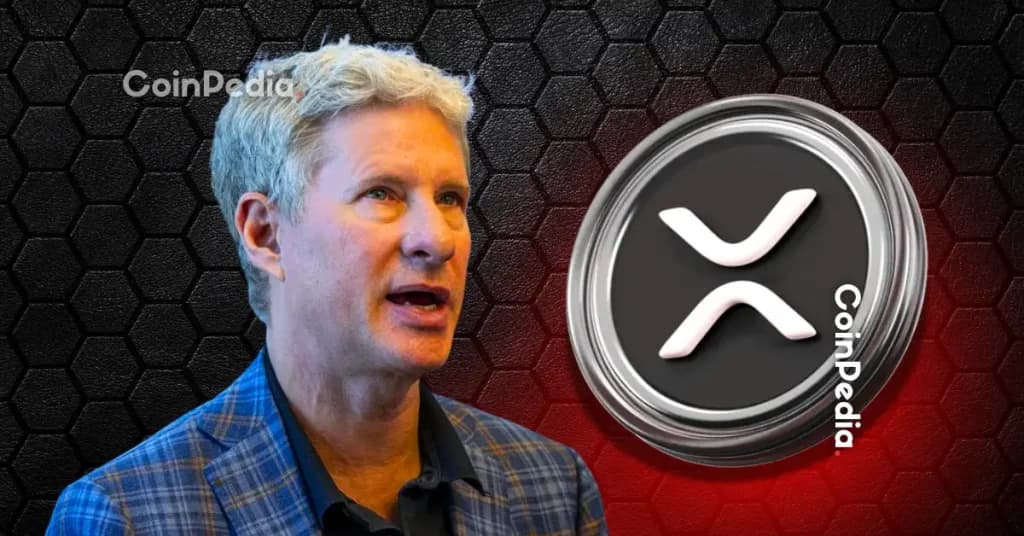
Ripple's CEO, Brad Garlinghouse, has voiced concerns over Michael Saylor's influence on the cryptocurrency market, claiming that financial engineering is detrimental to long-term asset value. This commentary comes as Strategy's STRC token trades 25% below its expected value, raising questions about the sustainability of such investments. Understanding these dynamics is crucial for investors as they navigate the volatile crypto landscape.
Garlinghouse's assertion centers on the principle that true value in digital assets is derived from their utility rather than speculative trading behaviors often driven by financial engineering. This perspective highlights the importance of a token's real-world application and the underlying technology that facilitates transactions and functionalities. In contrast, the current trend in cryptocurrencies often sees assets manipulated for short-term gains, which can lead to market instability and diminished trust among investors.
Within the broader cryptocurrency industry, the competition is fierce, with various tokens vying for dominance. Bitcoin and Ethereum continue to lead, but emerging tokens like STRC are struggling to establish themselves as viable alternatives. Market data reflects a growing skepticism among investors, especially as some tokens trade below their expected valuations. The narrative surrounding long-term utility versus short-term gain is becoming increasingly prominent, influencing investor sentiment and market trends.
In the Indian tech ecosystem, these discussions hold particular relevance. As India seeks to position itself as a leader in blockchain technology and digital currencies, the implications of Saylor's strategies resonate with local developers and startups. Indian firms are closely watching global trends as they navigate regulatory hurdles and market adoption, while also striving to create utility-driven applications that can withstand market fluctuations.
Key Highlights
- Ripple's CEO critiques financial engineering in crypto markets
- Focus on utility as a key driver of digital asset value
- STRC token trading 25% below anticipated value highlights market volatility
- Investors prioritizing utility-driven assets stand to gain
- Anticipate more regulatory clarity and utility-focused projects in 2024
Real-World Impact
As the cryptocurrency market adjusts to these revelations, roles in financial analysis, blockchain development, and crypto investment advisory may evolve. Investors may shift their strategies towards more sustainable and utility-focused assets, affecting job functions across tech firms and investment houses. This shift will necessitate a deeper understanding of underlying technologies and market dynamics.
Why This Matters
This situation underscores the shifting landscape of cryptocurrency investment strategies. CTOs and developers should reevaluate their approaches, focusing on creating practical applications that provide real value. As market dynamics evolve, aligning projects with long-term utility rather than speculative trends will be vital for success.
Looking ahead, the cryptocurrency market will likely see a rise in utility-driven projects that resonate with investor expectations. Stakeholders should remain vigilant for upcoming trends that emphasize real-world applications, as these will shape the next phase of blockchain innovation.
Found this useful? Share it!