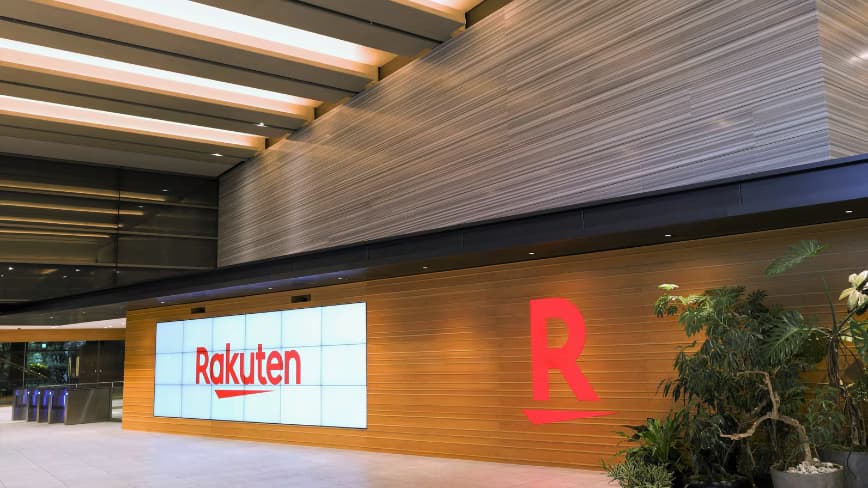
Japan has decided it does not want to depend on Elon Musk to keep its phones connected from space. The government is set to provide up to ¥150 billion, roughly $926 million, in subsidies to a consortium led by Rakuten Group to build a homegrown low-Earth-orbit satellite communications network. A pro
Key Insights
10 editorial insights.
Japan's government has announced a substantial grant of up to $926 million to support Rakuten Group's initiative in developing a low-Earth-orbit satellite communication network. This move indicates a strategic shift towards self-reliance in telecommunications and a desire to reduce dependence on foreign entities like SpaceX, which has dominated the satellite internet market with its Starlink service.
Key players in this initiative include Rakuten Group, a major player in Japan's e-commerce and telecommunications sectors, and the Japanese government, which aims to bolster local technology capabilities. The involvement of Rakuten not only highlights its ambition to diversify but also serves as a test case for other companies looking to venture into satellite communications.
This development is strategically important as it aligns with global trends of national governments investing in space technology to enhance communication infrastructure. As countries recognize the strategic value of satellite networks, Japan’s investment positions it as a competitive player in the growing space technology sector, potentially influencing future regulatory frameworks.
For Rakuten and its partners, this grant could translate into significant business opportunities, allowing them to capture a share of the estimated $1 trillion global satellite communications market. End users in Japan may benefit from increased connectivity and better service offerings, particularly in rural areas where traditional infrastructure is lacking.
This initiative reflects a broader trend over the past 12-24 months where countries are increasingly investing in their own satellite technologies to ensure national security and economic independence. With global demand for satellite internet services expected to grow at a CAGR of over 20% in the coming years, Japan's efforts could set a precedent for similar initiatives worldwide.
The satellite communications market is projected to reach approximately $140 billion by 2026, growing at a rapid pace due to increasing demand for broadband services. Japan's investment could help secure a significant slice of this market, especially as it positions itself against established players like SpaceX and OneWeb.
Despite the potential benefits, several risks and challenges remain, including technological hurdles in deploying and maintaining a satellite network and the need for regulatory approvals. Additionally, there are concerns regarding the financial viability of the project, given the high costs associated with satellite development and deployment.
Competitors in the telecommunications and satellite sectors, such as SoftBank and NEC, are likely to respond strategically, either by enhancing their own satellite initiatives or by forming alliances with foreign technology firms. This could lead to a more competitive landscape in Japan's telecommunications market and spur innovation.
In the next 6-12 months, stakeholders should closely monitor key regulatory milestones, such as frequency allocation and compliance with international space treaties. Achieving successful satellite launches and establishing operational networks will be critical for Rakuten and its consortium partners to demonstrate the project's feasibility and build investor confidence.
For technology professionals and investors, this initiative underscores the growing importance of satellite communications as a critical infrastructure component in the digital age. The successful execution of this project could not only yield returns for investors but also inspire greater innovation in connectivity solutions, shaping the future landscape of telecommunications.
Japan is taking a significant step in establishing its own satellite communications infrastructure. The government has announced a substantial investment of ¥150 billion (approximately $926 million) to support Rakuten Group's initiative to develop a low-Earth-orbit satellite network. This move signals a shift towards self-reliance in critical telecommunications technology, reducing dependence on foreign entities like Elon Musk's SpaceX.
The proposed satellite network by Rakuten will utilize low-Earth orbit (LEO) technology, which promises lower latency and improved connectivity for users on the ground. The system aims to deploy a constellation of satellites positioned closer to Earth, enhancing data transmission speeds and reliability. Each satellite will integrate advanced communication technologies, potentially including optical inter-satellite links and sophisticated ground station connectivity, to ensure seamless service across urban and rural areas.
This initiative places Rakuten in direct competition with established players like SpaceX's Starlink and OneWeb, which have been at the forefront of LEO satellite communications. As global demand for high-speed internet access continues to rise, especially in underserved regions, Japan's investment could reposition Rakuten as a key player in the burgeoning space technology sector. The $926 million funding reflects both a strategic and economic opportunity to capture market share in Asia's dynamic telecommunications landscape.
In the Indian tech ecosystem, this development could be a catalyst for local telecom companies and startups focusing on satellite technology. With India's growing digital landscape and the government's push for self-reliance in technology, firms like Bharti Airtel and Jio may look towards similar ventures. The emergence of a domestic satellite network in Japan could inspire Indian players to explore innovative solutions for connectivity challenges, especially in remote areas where terrestrial networks are insufficient.
Key Highlights
- Japan allocates ¥150 billion to Rakuten's satellite project
- Rakuten's network aims for low latency and enhanced connectivity
- Potential market shift with Japan investing $926 million
- Local telecom companies could benefit from innovation momentum
- Watch for upcoming satellite launches and partnerships in 2024
Real-World Impact
The immediate impact of this funding will be felt across various sectors in Japan, particularly in telecommunications and technology development. Job roles such as satellite engineers, software developers, and network specialists will likely see increased demand as the project progresses. Additionally, industries reliant on robust internet connectivity, including e-commerce, remote work, and IoT applications, will benefit from improved infrastructure.
Why This Matters
This initiative represents a strategic pivot for Japan, reinforcing its commitment to technological self-sufficiency in the face of global competition. For CTOs and developers, this shift underscores the importance of investing in local infrastructure and innovation, as reliance on foreign technology could pose risks to security and service continuity. Japan's move may encourage similar strategies in other Asian markets.
As Rakuten embarks on this ambitious satellite project, stakeholders should closely monitor its progress and any emerging partnerships. The success of this initiative could reshape the telecommunications landscape in Asia, paving the way for new entrants in the satellite space.
Found this useful? Share it!