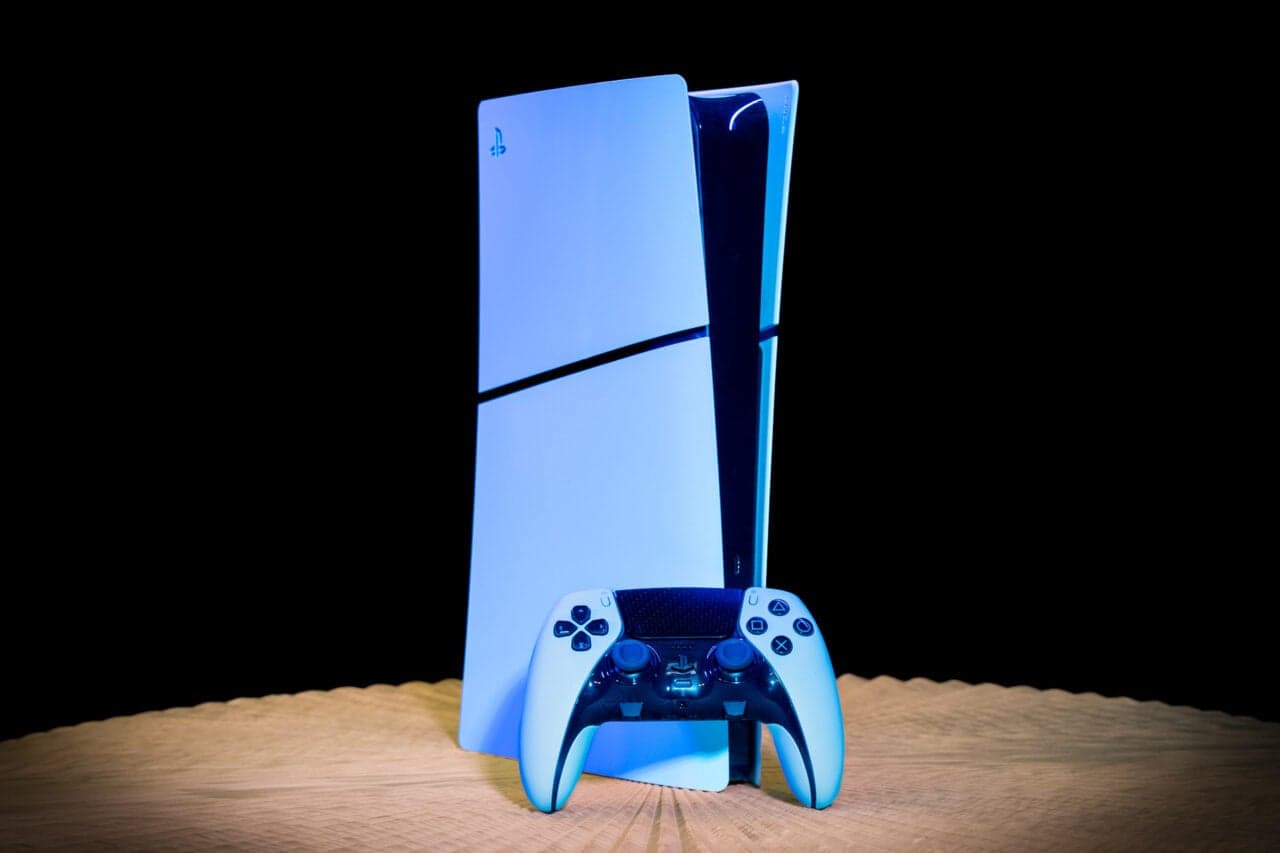
The next PlayStation 6 may not have an optical drive at all.
Key Insights
10 editorial insights.
Sony's decision to potentially eliminate the optical drive in the PlayStation 6 marks a significant shift towards digital-only gaming, reflecting the industry's growing reliance on downloads and streaming. This move could streamline device design and reduce production costs, but it raises concerns about accessibility for users with slower internet connections or limited data plans.
Key players in this transition include Sony, which dominates the console market alongside Microsoft, and digital distribution platforms like Steam and the Epic Games Store. Their influence will shape how consumers adapt to this change, especially as they navigate the balance between digital ownership and licensing agreements.
This development signals a broader industry trend where console manufacturers are prioritizing digital ecosystems over physical media. As cloud gaming services like Xbox Game Pass gain traction, traditional game sales decline, forcing companies to rethink their revenue models and customer interactions.
For developers, the shift to digital-first gaming could lead to increased sales through direct-to-consumer channels, but it may also reduce the shelf life of physical editions. This could impact smaller studios reliant on physical sales, potentially leading to more mergers or collaborations to ensure viability in a digital market.
Over the past 12-24 months, the gaming industry has seen a marked increase in digital sales, with reports indicating that digital downloads accounted for over 75% of total game revenue in 2022. This trend signifies a shifting consumer preference towards instant access and convenience, which Sony's decision taps into.
The global gaming market is projected to grow from approximately $200 billion in 2023 to over $300 billion by 2026, with digital gaming being the primary driver. This anticipated growth emphasizes the importance of adapting to consumer preferences for digital content consumption, which Sony is clearly recognizing.
There are several risks associated with abandoning physical media, including potential backlash from consumers who prefer owning physical copies and concerns about digital rights management. Additionally, the environmental impact of increased digital storage and cloud computing demands may pose challenges that require addressing in future product strategies.
Competitors like Microsoft and Nintendo may respond by reinforcing their own digital offerings or exploring hybrid solutions that maintain some physical media options. This could lead to increased competition in cloud gaming services and subscription-based revenue models as companies adapt to market demands.
In the next 6-12 months, key milestones to watch include the rollout of next-gen cloud gaming technologies and potential regulatory changes surrounding digital ownership rights. As companies navigate these developments, consumer feedback will play a critical role in shaping future hardware and software decisions.
For technology professionals and investors, the move towards a digital-only PlayStation 6 underscores the importance of adapting to evolving consumer behaviors and market dynamics. Investors should focus on companies that are well-positioned in digital ecosystems, as this trend will likely dictate the future landscape of the gaming industry.
In a bold move signaling a shift toward a fully digital gaming landscape, Sony's upcoming PlayStation 6 might not include an optical drive. This transition reflects the growing consumer preference for digital downloads over physical copies, which could revolutionize how games are distributed and consumed, especially in rapidly digitizing markets like India.
The potential omission of an optical drive in the PlayStation 6 highlights a significant technological evolution in gaming hardware. Without a physical medium, the console could leverage advanced cloud gaming technologies, enabling seamless access to vast libraries of games directly from the internet. This would also allow for larger digital downloads, quicker installation times, and automatic updates, enhancing user experience. Furthermore, the reliance on digital formats could lead to cost savings for Sony, which may result in more competitive pricing for consumers.
Industry-wide, this trend aligns with a broader shift towards digital content consumption, already evident in sectors like music and film. Competitors such as Microsoft and Nintendo have also been exploring digital-first strategies, with the Xbox Series S and Nintendo Switch Lite leading the charge. According to recent market analysis, digital game sales are expected to surpass physical sales by 2025, making this a crucial time for companies to adapt their strategies to meet consumer demands.
In India, the move towards a digital-only console could significantly impact local gaming developers and distributors. As internet penetration continues to rise, companies like Dream11 and Nazara Technologies may see an uptick in user engagement and revenue from digital game sales. However, smaller retailers who rely on physical game sales may struggle to adapt, prompting a need for innovation in their business models to stay relevant in a digital-first ecosystem.
Key Highlights
- Sony may exclude optical drives in future consoles.
- Potential for enhanced cloud gaming capabilities.
- Digital game sales projected to exceed physical sales by 2025.
- Indian developers could see increased engagement from digital gaming.
- Watch for announcements regarding digital distribution strategies.
Real-World Impact
As the gaming landscape shifts, roles in game development, marketing, and retail are set to evolve significantly. Developers will need to focus on creating engaging digital experiences, while marketing strategies must adapt to promote digital content effectively. Retailers must rethink their business models, as traditional sales methods may become obsolete in the new digital age.
Why This Matters
This transition to a digital-only format represents a significant milestone in the gaming industry, foreshadowing the future of entertainment consumption. CTOs and developers should pivot their strategies to prioritize digital distribution and cloud-based solutions to remain competitive in a rapidly evolving market.
As Sony moves forward with its digital-first strategy, all eyes will be on how other gaming companies respond. The next major announcement regarding digital gaming infrastructure will be crucial for shaping the future of the industry.
Found this useful? Share it!