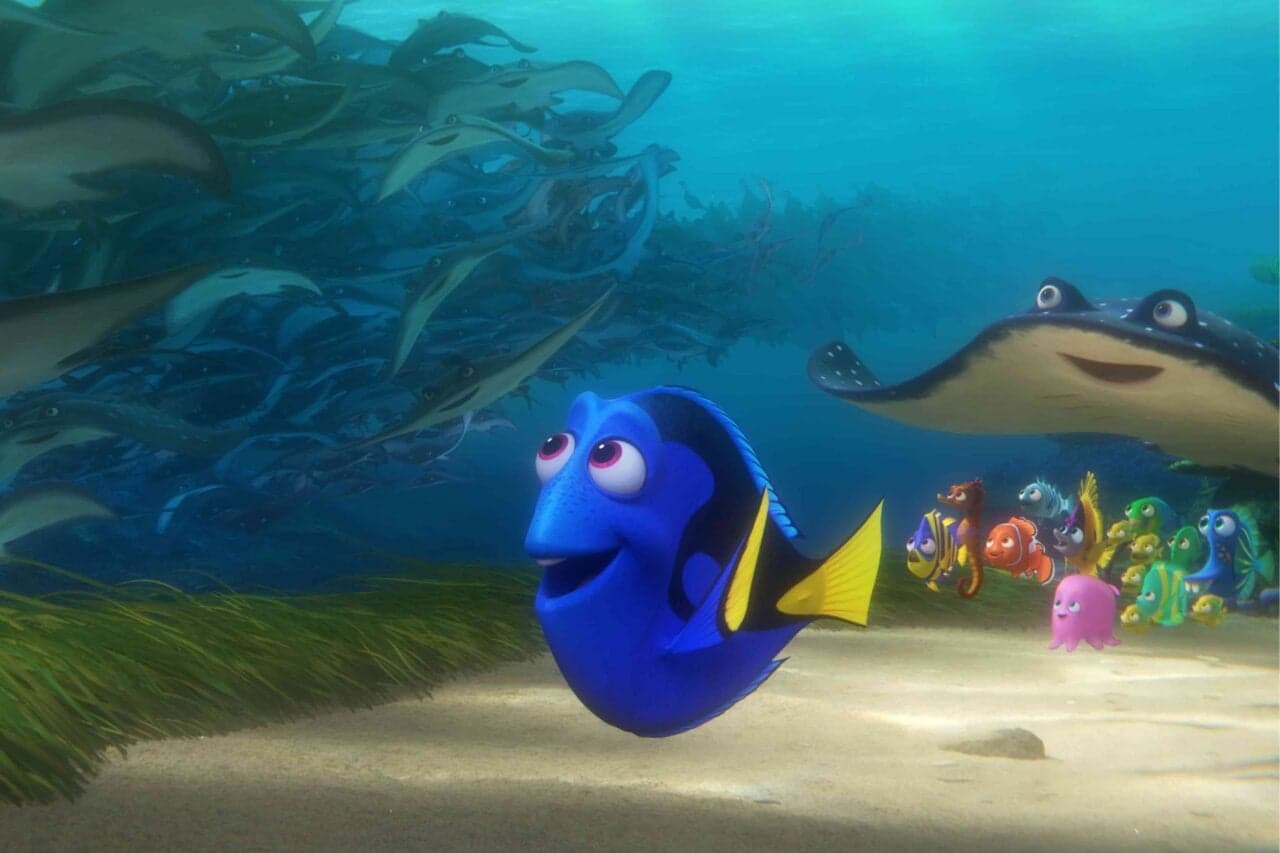
'Loving Dory,' a new theatrical short featuring Ellen DeGeneres, is on the way.
Key Insights
10 editorial insights.
Pixar's announcement of 'Loving Dory,' a new short featuring Ellen DeGeneres, marks a strategic return to the beloved 'Finding Nemo' franchise. This move is significant as it reinforces Pixar's commitment to leveraging successful IPs, especially in a competitive animation market that increasingly demands recognizable characters and stories to draw audiences back into theaters.
Key players in this development include Pixar Animation Studios, which has a storied history of creating award-winning animated films, and Ellen DeGeneres, whose involvement adds star power and familiarity to the project. Their collaboration not only appeals to nostalgic fans of the original films but also positions Pixar to attract new audiences who may not be familiar with the franchise.
This return to the 'Finding Nemo' universe is strategically important for the animation industry, where franchises have proven to be more lucrative than standalone films. By reinvigorating an established brand, Pixar is likely aiming to capture a larger share of family entertainment, especially as streaming platforms intensify competition for viewer attention.
The business impact of 'Loving Dory' could be significant for Pixar and its parent company Disney, particularly as the global animation market is projected to reach approximately $270 billion by 2026. By tapping into the nostalgia associated with 'Finding Nemo' and 'Finding Dory,' the new short could bolster merchandise sales and streaming viewership on Disney+.
This development connects to a broader trend in the entertainment industry where nostalgia-driven content is thriving. Over the past 12-24 months, there has been a noticeable uptick in the production of sequels and revivals, as evidenced by Disney's ongoing success with franchises like 'Star Wars' and 'Marvel,' indicating a clear preference for familiar narratives.
In terms of market size, the global animated film industry has been growing at a rate of approximately 4.5% annually, indicating robust demand for animated content. Pixar's strategic move not only aims to capitalize on this growth but also positions the company to compete more effectively against emerging players in the animation sector, such as Illumination and DreamWorks.
However, this initiative also comes with risks, such as the potential for audience fatigue with franchise extensions. As Pixar delves back into familiar territory, there is a challenge to innovate while maintaining the charm that made the original films successful, leaving questions about how 'Loving Dory' can stand out amidst other sequels.
Competitors in the animation landscape, like DreamWorks and Illumination, may respond by ramping up their own nostalgic projects or developing new IPs that resonate with family audiences. This could result in an increased focus on producing sequels or spin-offs of their successful franchises, intensifying the competitive landscape for animated films.
In the next 6-12 months, key milestones to watch include the reception of 'Loving Dory' in theaters, as well as any announcements from Pixar regarding future projects tied to existing franchises. Additionally, the ongoing integration of animation with emerging technologies like AI and virtual reality in storytelling may also redefine how audiences experience animated content.
For technology professionals and investors, the significance of this development lies in understanding how established brands can leverage nostalgia in a digital age. The success of 'Loving Dory' could signal to investors the potential of animated content in driving revenue across multiple platforms, including theatrical releases, streaming, and merchandise sales, indicating a sustainable growth model in the animation domain.
Pixar is set to release 'Loving Dory,' a new theatrical short featuring Ellen DeGeneres reprising her role as Dory. This release marks a significant return to the beloved underwater universe of 'Finding Nemo,' showcasing Pixar's ongoing commitment to expanding its iconic franchises. The short is anticipated to resonate with audiences, blending nostalgia with contemporary storytelling techniques.
Technically, 'Loving Dory' showcases Pixar's advancements in animation technology, particularly their proprietary software, Presto, which enhances character movements and environmental details. The studio has continually refined its rendering capabilities, enabling more realistic water simulations and lifelike textures. This short film benefits from the meticulous attention to detail that Pixar is known for, ensuring that audiences are not only entertained but also visually captivated by the aquatic settings and character interactions.
In the broader industry context, Pixar's venture into short films is part of a growing trend among animation studios to leverage existing IPs. Competitors like DreamWorks and Sony Animation are also exploring similar strategies, tapping into nostalgia while creating new content. The animation market is witnessing a resurgence, with global box office revenues projected to reach $22 billion by 2026, emphasizing the importance of recognized franchises in driving consumer interest and box office success.
In India, the tech ecosystem surrounding animation and storytelling is evolving rapidly. Companies like Green Gold Animation and Toonz Media Group are gaining traction, creating content that resonates with local audiences. With the rise of OTT platforms, Indian viewers are increasingly exposed to global animation styles, creating opportunities for collaboration and innovation in storytelling. 'Loving Dory' could inspire local studios to explore similar character-driven narratives, enhancing the quality of homegrown animation.
Key Highlights
- Pixar announces 'Loving Dory' featuring Ellen DeGeneres.
- Utilizes advanced animation software for realistic visuals.
- Global animation market expected to reach $22 billion by 2026.
- Nostalgic franchises benefit both creators and audiences.
- Expect more short films leveraging established characters.
Real-World Impact
As 'Loving Dory' hits theaters, job roles such as animators, voice actors, and marketing professionals in the entertainment industry are set to see increased demand. The film is likely to attract a diverse audience, including families and animation enthusiasts, enhancing engagement across various platforms. This release can also boost merchandise sales, providing a tangible impact on retail sectors associated with animated franchises.
Why This Matters
This release signifies a strategic shift towards leveraging established characters to drive audience engagement. As Pixar embraces this approach, CTOs and developers should consider the importance of IP in their product strategies. Focusing on character-driven narratives can foster deeper connections with viewers, making storytelling a crucial element in tech-driven projects within the entertainment sector.
Looking ahead, the success of 'Loving Dory' will likely influence Pixar's future projects, potentially leading to more shorts and spin-offs. Keeping an eye on audience reception will provide valuable insights into the evolving landscape of animated storytelling.
Found this useful? Share it!