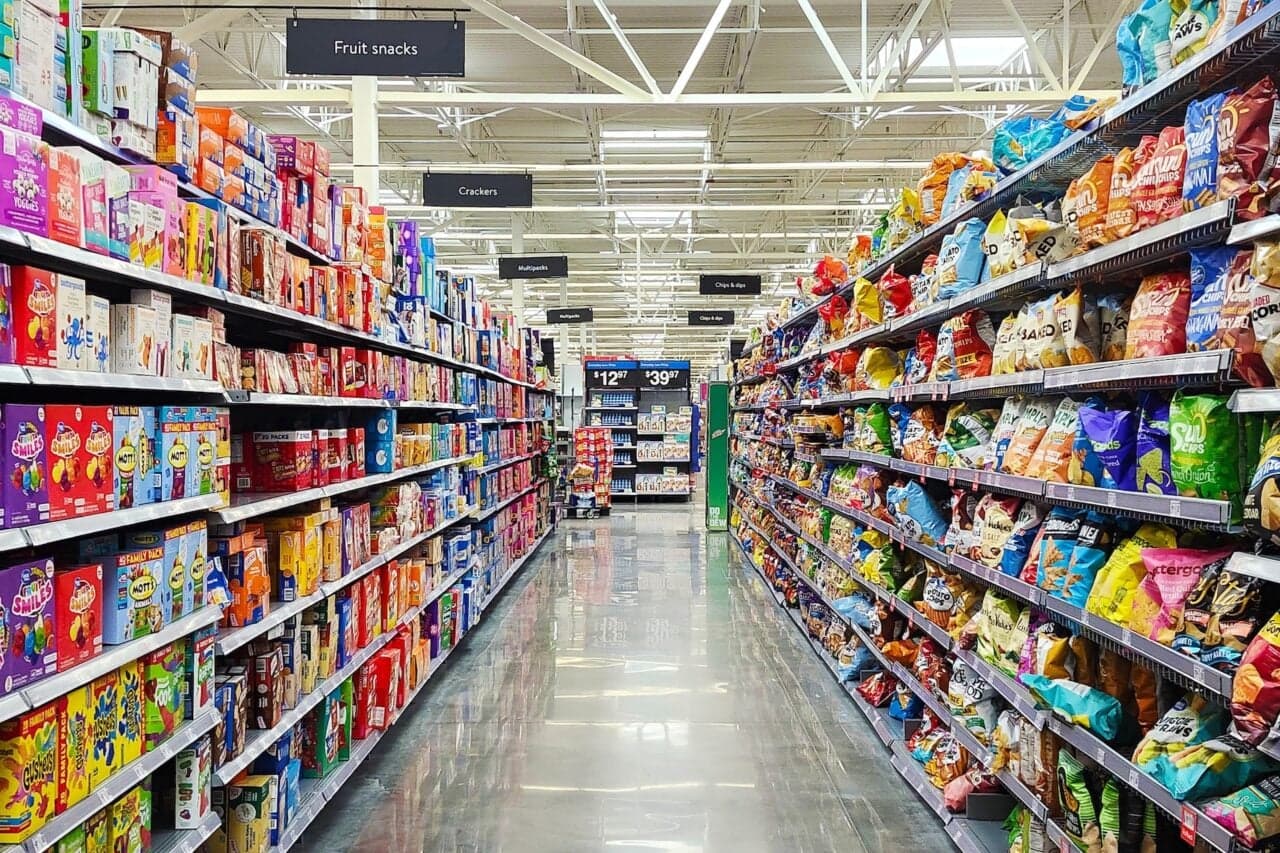
The legislation only applies to grocery stores and still needs to be signed by the governor to become law.
Key Insights
10 editorial insights.
New Jersey's recent legislation targeting surveillance pricing in grocery stores signifies a growing movement against price discrimination based on consumer data. This law, pending the governor's approval, may set a precedent for other states, impacting how retailers utilize consumer information in pricing strategies.
Key players in this landscape include large grocery chains like Walmart and regional supermarkets that often face scrutiny over pricing tactics. Their responses to this legislation will be crucial, as they balance maintaining competitive pricing with adhering to new regulations that could reshape their pricing models.
This development is strategically important as it highlights a significant shift towards consumer protection in the retail sector. As more states consider similar laws, grocery stores may need to reassess their pricing strategies, potentially leading to a more transparent and equitable marketplace.
For companies, this law could necessitate substantial changes in pricing algorithms and data analytics processes, which might increase operational costs. Additionally, consumers could benefit from more straightforward pricing structures, reducing the likelihood of being charged differently based on shopper profiles.
This legislation is part of a broader trend in the last 12-24 months where consumer privacy and fair pricing have gained traction. Similar laws are being considered nationwide, reflecting a heightened awareness of privacy issues and the ethical implications of data-driven pricing strategies in various industries.
The grocery retail market is substantial, with an estimated size of $682 billion in the U.S. alone, growing at an annual rate of 3-5%. Legislation affecting pricing strategies could have ripple effects across this vast market, influencing how companies approach consumer data and pricing.
One primary risk is the potential for confusion among consumers and retailers about what constitutes surveillance pricing. Additionally, companies may face challenges in ensuring compliance with the law while still leveraging data analytics for competitive advantage, leading to a possible increase in operational complexity.
Competitors may respond by enhancing transparency in their pricing models and investing in alternative customer engagement strategies that do not rely on invasive data collection. This could lead to an increased focus on loyalty programs or customer service enhancements to retain consumer trust.
In the next 6-12 months, watch for developments in regulatory frameworks as similar laws may emerge in other states or at the federal level. Additionally, the grocery sector will likely see an uptick in advocacy from consumer rights groups pushing for further protections against data misuse.
For technology professionals and investors, this legislation serves as a critical reminder of the importance of ethical data practices. Companies that adapt proactively will likely gain a competitive edge, while those that do not may face reputational risks and regulatory penalties, shaping investment strategies in the tech sector.
New Jersey is set to implement legislation aimed at regulating surveillance pricing practices in grocery stores, pending the governor's approval. This move addresses concerns about price discrimination and transparency, especially as retailers increasingly utilize technology to monitor consumer behavior. The implications of this law could reshape how grocery pricing strategies are developed and executed across the nation.
This legislation focuses on the use of surveillance technology to determine pricing strategies in grocery stores. Retailers often deploy sophisticated algorithms and data collection methods to analyze customer purchasing habits, which can lead to dynamic pricing models. These models adjust prices in real-time based on perceived consumer willingness to pay, potentially disadvantaging certain customers. New Jersey's law seeks to bring these practices into the open, requiring stores to disclose when pricing is influenced by surveillance data, ensuring fairer pricing for all shoppers.
The grocery industry is facing increased scrutiny as consumers demand transparency and fairness. Competitors in the retail sector are beginning to adopt similar technologies, with many larger chains employing advanced analytics and AI to optimize pricing. According to recent market data, the global grocery analytics market is expected to grow significantly, but this new legislation may force companies to rethink their strategies to avoid backlash from consumers and regulators alike.
In the Indian context, the grocery retail sector is rapidly evolving, driven by the expansion of e-commerce and the introduction of AI technologies. Companies like BigBasket and Grofers are leveraging data analytics for personalized offers and pricing. However, if similar regulations were to be introduced in India, it could prompt these companies to reassess their pricing strategies and data usage policies, ensuring compliance while maintaining competitiveness in a growing market.
Key Highlights
- New law mandates transparency in pricing influenced by surveillance data
- Legislation targets dynamic pricing models used by grocery retailers
- Grocery analytics market projected to see substantial growth amidst regulatory changes
- Consumers will likely benefit from more equitable pricing strategies
- If signed, the law could lead to a nationwide trend in grocery pricing regulations
Real-World Impact
Starting now, grocery retailers in New Jersey will need to adjust their pricing strategies and data collection practices to comply with the new law. Jobs in pricing strategy, data analytics, and compliance within the retail sector will be significantly impacted. Additionally, consumers can expect more equitable pricing, as this law could deter practices that lead to discrimination based on purchasing behavior.
Why This Matters
This legislation signifies a broader movement towards consumer protection in the face of advancing technology. As surveillance and data-driven pricing become more common, it underscores the need for ethical considerations in retail. CTOs and developers must prioritize transparency and fairness in their pricing algorithms to comply with potential future regulations, not just in New Jersey but potentially expanding to other regions.
As New Jersey moves towards implementing this legislation, the grocery industry must be on alert for similar changes across the U.S. One key area to watch is how other states respond to this initiative and whether it sparks a nationwide trend towards regulating pricing practices driven by technology.
Found this useful? Share it!