NASA is testing a 'cryocoupler' developed by L3Harris for in-orbit refueling.
Key Insights
10 editorial insights.
NASA's recent tests of the cryocoupler for in-orbit refueling mark a significant step in extending the reach of deep space missions. This technology could allow spacecraft to refuel while in orbit, potentially increasing the duration and distance of missions, thus paving the way for more ambitious projects like Mars exploration.
L3Harris, a key player in aerospace and defense technology, is at the forefront of this innovation. Their expertise in developing advanced systems for space applications positions them as a critical partner for NASA, enhancing their credibility and market position in a competitive industry focused on deep space exploration.
The development of in-orbit refueling technology is strategically crucial as it addresses the challenges of long-duration space missions. By enabling spacecraft to refuel in orbit, NASA can reduce the amount of fuel needed for launches, thereby lowering costs and expanding mission capabilities, which could redefine human presence in space.
For companies involved in space technologies, such as L3Harris and other aerospace contractors, the successful implementation of in-orbit refueling could open new revenue streams. This could lead to partnerships and contracts worth millions, as agencies and private enterprises increasingly look to develop sustainable space operations.
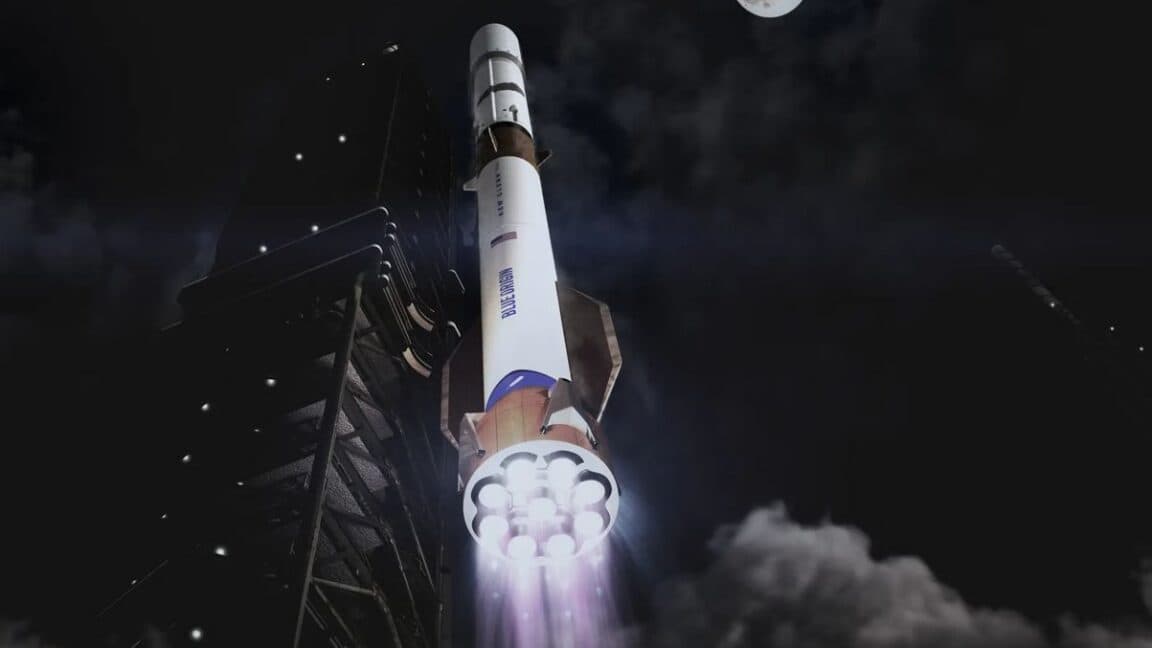
This initiative aligns with the growing trend of privatization in space exploration, as seen with companies like SpaceX and Blue Origin. The push for reusable technologies and in-orbit operations reflects a shift toward more sustainable and economically viable space missions, which have gained traction in the past two years.
The global space economy, estimated to be worth over $400 billion in 2022, is projected to grow at a CAGR of approximately 7% through 2030. Innovations like in-orbit refueling could significantly contribute to this growth by lowering operational costs and enabling more complex missions, appealing to both government and commercial sectors.
Despite the promise of in-orbit refueling, technical challenges remain, including ensuring the safety and reliability of the cryocoupler in varying space conditions. Additionally, the regulatory landscape for space activities is evolving, raising questions about compliance and standardization that could impact deployment timelines.
Competitors such as Boeing and Northrop Grumman are likely to accelerate their own research and development efforts in in-orbit refueling technologies. As the market for deep space missions heats up, these companies may partner with NASA or pursue independent projects to capture market share in this emerging segment.
In the next 6-12 months, key milestones to watch include further tests of the cryocoupler and potential partnerships with private firms for its commercialization. Additionally, regulatory developments related to in-orbit operations could significantly influence how quickly this technology is adopted in future missions.
For technology professionals and investors, the advancement of in-orbit refueling technology signals a paradigm shift in space exploration. As the market for sustainable space operations expands, understanding these technological advancements will be crucial for identifying investment opportunities and strategic partnerships in the aerospace industry.
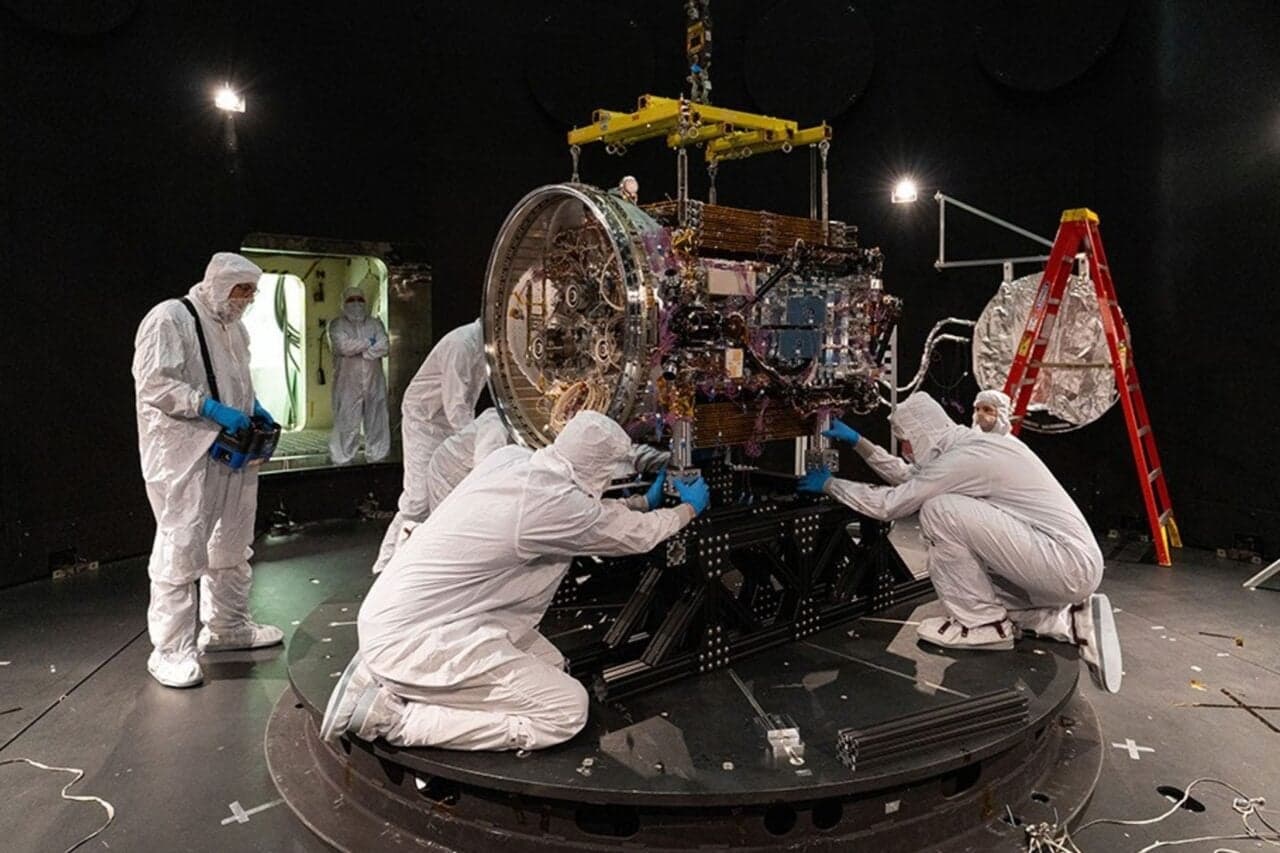
NASA has initiated an innovative series of in-orbit refueling trials utilizing a cutting-edge 'cryocoupler' technology developed by L3Harris. This advancement is crucial as it lays the groundwork for future deep space missions, enabling spacecraft to extend their operational range and reduce the cost of exploration. As space agencies face growing demands for extended missions, this development highlights a significant step toward sustainable space travel.
The cryocoupler technology works by allowing spacecraft to efficiently transfer cryogenic fluids in the vacuum of space, a critical capability for refueling missions. Traditional refueling technologies are limited by their design for terrestrial environments, making the adaptation of these systems for space a complex challenge. L3Harris's system employs advanced thermal insulation and precision engineering to minimize fuel loss during transfers, ensuring the maximum amount of propellant is delivered to spacecraft. This technology could revolutionize how missions are structured by allowing for more flexible fuel management in orbit.
In the broader context of the space industry, in-orbit refueling represents a pivotal trend towards sustainable space exploration. Competitors such as SpaceX and Blue Origin are also exploring similar technologies, aiming to reduce mission costs and increase the frequency of launches. According to a report by Euroconsult, the satellite refueling market is projected to reach $3 billion by 2030, indicating a growing recognition of the importance of in-orbit services in the commercial space sector.
For India, the implications of NASA's advancements in in-orbit refueling are profound. As the Indian Space Research Organisation (ISRO) continues to expand its ambitions in deep space missions, technologies like the cryocoupler could enhance India's capabilities. Indian companies involved in satellite manufacturing and launch services, such as L&T and Tata Advanced Systems, could leverage these developments to innovate in their offerings, potentially opening new avenues for collaboration with international space agencies.
Key Highlights
- NASA initiates groundbreaking in-orbit refueling trials.
- L3Harris's cryocoupler technology minimizes fuel loss.
- Satellite refueling market projected to hit $3 billion by 2030.
- Space agencies and private companies will benefit from extended mission capabilities.
- Expect advancements in in-orbit refueling technology within the next two years.
Real-World Impact
As NASA's cryocoupler trials progress, roles in aerospace engineering, mission planning, and satellite operations will see significant evolution. Companies focused on in-orbit servicing and fuel management will be particularly affected, as new opportunities arise for technology integration and service provision. This development may also lead to job growth in related sectors as demand for skilled professionals in space technology increases.
Why This Matters
The trials represent a strategic shift towards sustainable and efficient space missions, indicating a future where deep space exploration is more feasible. CTOs and developers in the aerospace sector should focus on integrating similar technologies and preparing for potential collaborations. Understanding the implications of in-orbit refueling will be essential for planning future missions and optimizing resources.
Looking ahead, the success of NASA's in-orbit refueling trials could redefine the architecture of deep space missions. Stakeholders should closely monitor the developments in cryocoupler technology, as it could pave the way for significant advancements in space exploration.
Found this useful? Share it!