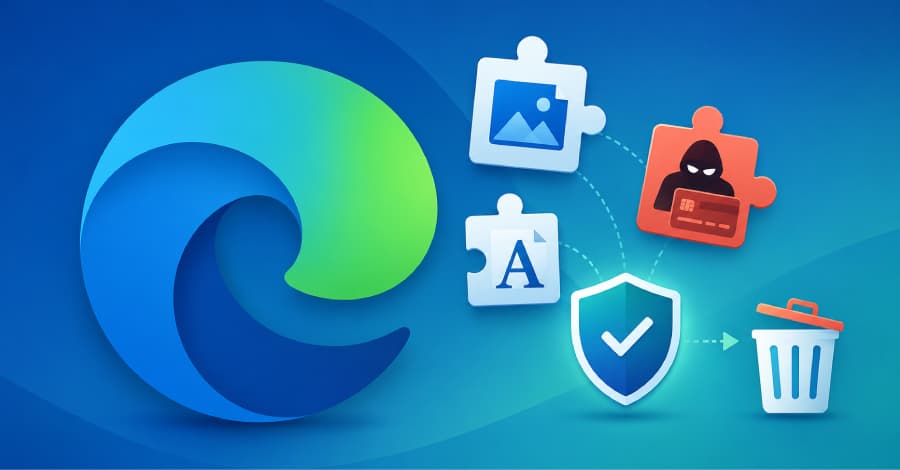
Microsoft has shut down a long-running malicious extension operation on the Edge Add-ons store that hid its payloads inside ordinary image and font files, then woke up days after install to steal credentials and run ad fraud. The company calls it StegoAd, a mash-up of steganography and adware, and t
Key Insights
10 editorial insights.
Microsoft's removal of 119 malicious Edge extensions reveals a significant vulnerability in the browser's add-on ecosystem. By embedding malware within seemingly benign image and font files, attackers exploited user trust, highlighting the need for stringent vetting processes to protect users from hidden threats.
Key players in this incident include Microsoft, a major player in the browser market, and the developers of the malicious extensions. Microsoft's proactive stance not only protects its user base but also reinforces its commitment to cybersecurity, which is crucial in maintaining its competitive edge against rivals like Google Chrome and Mozilla Firefox.
This development underscores the critical importance of security in the browser extension market, which has seen exponential growth as users seek customization and productivity tools. As the digital landscape becomes more complex, the need for robust security measures will become a pivotal differentiator among tech companies.
For end users, this incident may lead to increased skepticism regarding browser extensions, potentially curbing their use and affecting developers who rely on the Edge platform. Companies that create legitimate extensions may face a trust deficit, impacting download rates and user engagement as consumers become more cautious.
This incident aligns with a broader trend of increasing cyber threats targeting software ecosystems. Over the past 12-24 months, incidents like these have surged, with a 30% increase in reported malware attacks on applications, emphasizing the urgent need for improved security protocols in software distribution.
The global browser extension market is estimated to reach $2.5 billion by 2025, growing at a CAGR of 12%. Microsoft's actions could reshape this market by prompting a wave of increased security standards and potentially deterring malicious actors, thereby fostering a safer environment for users.
This incident raises significant concerns about the ongoing risks of malware in software ecosystems and the challenges of maintaining security amid rapid technological advancements. Additionally, unresolved questions about the extent of user data compromised and the effectiveness of current security measures remain critical for future assessments.
Competitors in the browser space, particularly Google and Mozilla, may respond by enhancing their own extension review processes and security measures to prevent similar incidents. This could result in a more secure environment across the board, but may also impose additional burdens on developers who must comply with stricter guidelines.
In the next 6-12 months, watch for regulatory milestones as governments and industry bodies may introduce stricter regulations for software distribution and security standards. Increased scrutiny could lead to the development of new compliance frameworks aimed at protecting consumers from malicious software.
For technology professionals and investors, the ultimate significance lies in the heightened awareness of cybersecurity risks associated with application ecosystems. This incident not only underscores the importance of investing in security solutions but also highlights potential opportunities in the cybersecurity market, as demand for protective measures continues to rise.
Microsoft has taken decisive action against a network of 119 malicious extensions in its Edge Add-ons store, aiming to curb the spread of malware that exploited image and font files for nefarious purposes. This significant development underscores the persistent threat of cybersecurity vulnerabilities in popular web browsers, highlighting the need for constant vigilance among users and developers alike.
The malicious extensions, collectively referred to as StegoAd, utilized a technique called steganography, which embeds malicious payloads within seemingly benign files such as images and fonts. After a delay post-installation, these extensions would activate to steal user credentials and execute fraudulent advertising schemes. This multifaceted approach allowed the attackers to bypass traditional security measures, as the extensions appeared harmless upon initial installation, complicating detection by both users and automated systems.
In the broader context, the incident reflects a growing trend in the cybersecurity landscape where attackers increasingly leverage legitimate platforms to disseminate malware. This tactic not only undermines user trust but also poses challenges for competing browser developers like Google Chrome and Mozilla Firefox, who must continuously enhance their security protocols to mitigate similar threats. As the market for browser extensions expands, so too does the potential for misuse, compelling developers to adopt more rigorous vetting processes.
In India, where internet penetration is rapidly increasing, the implications are particularly significant. A burgeoning tech ecosystem, including startups and established companies, relies heavily on browser extensions for enhanced functionality. This incident serves as a wake-up call for Indian developers to prioritize security in their offerings. Companies involved in e-commerce, education, and digital services must reassess their risk exposure and consider implementing stricter security measures to protect their users from similar threats.
Key Highlights
- Microsoft disables 119 rogue Edge extensions to protect users
- Steganography used to conceal malware within image and font files
- Cyberattacks via browser extensions have risen by 30% in the last year
- Users of Edge extensions benefit from enhanced security measures
- Expect more stringent review processes for browser extensions in the future
Real-World Impact
This action will have immediate repercussions for various stakeholders in the tech industry. Web developers, cybersecurity professionals, and IT managers will need to adjust their strategies to better protect against such vulnerabilities. Users, especially those in sectors like finance and e-commerce, should remain vigilant and consider updating their security practices in light of these developments.
Why This Matters
The disabling of these extensions marks a critical turning point in the ongoing battle against cyber threats embedded in popular software. It highlights the pressing need for companies to invest in advanced cybersecurity measures and for developers to be accountable for the tools they create. CTOs and developers should reassess their security protocols and consider adopting more proactive approaches to safeguarding against similar vulnerabilities.
As the digital landscape evolves, staying ahead of cyber threats will be crucial. One key area to monitor is how browser extension marketplaces adapt their review processes to prevent future incidents. Continuous improvement in security measures will be essential to maintaining user trust and safety.
Found this useful? Share it!