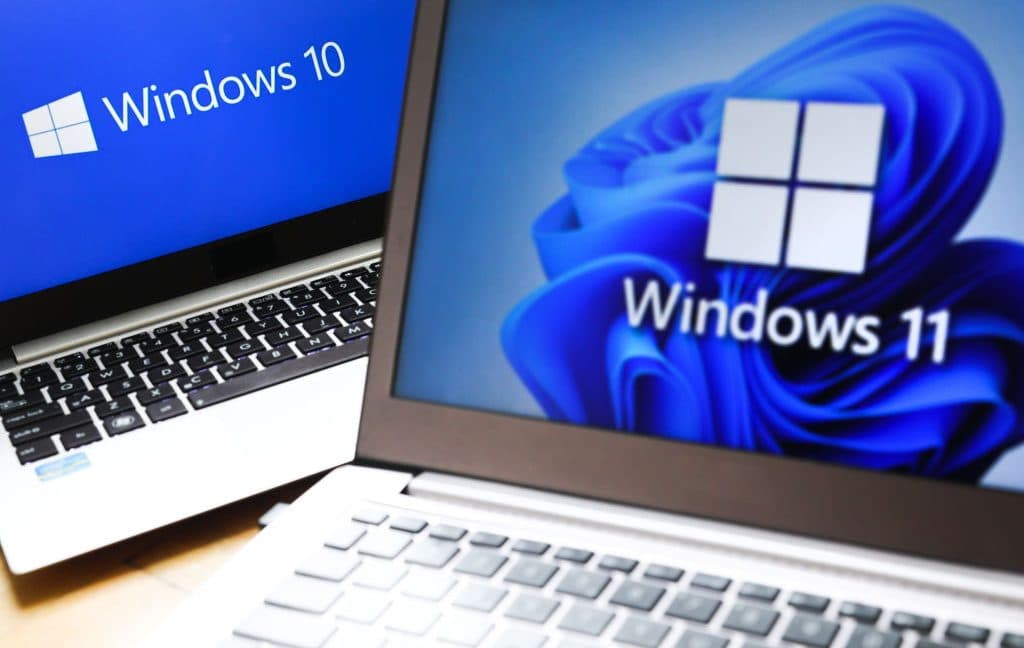
Windows 10 support was supposed to end for good this year, but Microsoft quietly extended it for at least one more.
Key Insights
10 editorial insights.
Microsoft's decision to extend Windows 10 support by an additional year is significant as it allows millions of users and enterprises more time to transition to Windows 11. This extension is crucial, particularly for organizations relying on legacy applications that may not yet be compatible with the latest operating systems.
Key players in this development include Microsoft, which commands a significant share of the global OS market, and the enterprises that have invested heavily in Windows 10 infrastructure. Companies like Dell and HP, which manufacture PCs optimized for Windows, will also be watching closely, as their sales are tightly linked to the OS lifecycle.
The strategic importance of this delay lies in Microsoft’s ongoing effort to manage the transition to Windows 11 while minimizing disruption. As businesses navigate a post-pandemic world, maintaining operational stability is crucial, and this extension reflects Microsoft's sensitivity to customer needs and market realities.
For end users, particularly in enterprise environments, this delay provides critical breathing room to upgrade their systems without the immediate pressure of losing security updates. Developers who create applications for Windows 10 also benefit, as they can continue to support a large user base without rushing to adapt their software for Windows 11.
This extension aligns with a broader trend in the tech industry where companies are increasingly recognizing the importance of gradual transitions. Over the past 12-24 months, there has been a notable resistance to forced upgrades, with many users preferring to stick with familiar systems until they are fully confident in new offerings.
The global market for operating systems is substantial, estimated at around $47 billion in 2023, with Windows holding approximately 76% market share. By delaying the sunset of Windows 10, Microsoft is strategically preserving its dominance and ensuring that its user base remains engaged with its ecosystem for longer.
This decision introduces risks, particularly around security vulnerabilities that may arise from maintaining an older OS. Additionally, it leaves questions about how Microsoft will handle support and updates for both Windows 10 and Windows 11 moving forward, potentially leading to confusion among users.
Competitors like Apple and Google may respond by doubling down on their marketing efforts for macOS and Chrome OS, respectively, highlighting their seamless upgrade experiences. This could lead to a shift in user sentiment, especially among those frustrated with the Windows upgrade process.
In the next 6-12 months, key milestones to watch include the rollout of new features in Windows 11 and any announcements regarding the future of Windows 10. Regulatory scrutiny around software updates and user data privacy could also impact Microsoft's approach to these systems.
For technology professionals and investors, this delay underscores the importance of understanding user sentiment and the complexities of software transitions. Investors should monitor how this impacts Microsoft's overall market performance, particularly in relation to its growth strategies and customer retention efforts.
Microsoft has announced a significant extension of Windows 10 support, delaying the end of its lifecycle by an additional year. This decision, which comes amidst increasing scrutiny and demand for continued support, matters greatly as it impacts millions of users and businesses still relying on this operating system. The extension reflects Microsoft's commitment to its user base while navigating the competitive landscape of operating systems.
The technical mechanics behind this extension are rooted in Microsoft's evolving support policies, which prioritize security updates and user experience enhancements. Windows 10, widely recognized for its stability and compatibility with a myriad of applications, will receive critical updates that ensure users remain protected against emerging cyber threats and vulnerabilities. This decision allows Microsoft to maintain a robust user environment while incentivizing transitions to Windows 11, which features advanced security and performance optimizations.
In the context of the broader industry, this move is indicative of a trend where companies are allowing legacy systems to coexist alongside newer technologies. Competitors like Apple and Linux-based distributions have also been extending support for older versions of their systems to retain user loyalty. According to recent market data, Windows 10 still holds a significant market share, with approximately 60% of users preferring it over newer alternatives, demonstrating the necessity of this extension.
Within the Indian tech ecosystem, this decision affects a variety of sectors, including IT services, educational institutions, and small to medium enterprises that depend heavily on Windows 10 for operational stability. Companies like Wipro and Infosys, which provide technology solutions, will benefit from the extended support, allowing them to continue servicing clients without the immediate pressure to upgrade. Indian developers and businesses can leverage this time to strategize their migration plans to newer operating systems.
Key Highlights
- Microsoft extends Windows 10 support by one year.
- Users will continue to receive critical security updates during this period.
- Windows 10 maintains a 60% market share despite the rise of Windows 11.
- Businesses that rely on Windows 10 can stabilize their operations without immediate upgrades.
- Expect further developments on Windows 11 adoption strategies over the next year.
Real-World Impact
The immediate effects of this support extension will be felt by IT professionals, system administrators, and end-users who rely on Windows 10 for day-to-day operations. Organizations can now breathe easier, knowing their systems will remain secure without rushing into an upgrade that could disrupt workflows. Companies with legacy systems will find they have more time to align their technology strategies without incurring additional costs.
Why This Matters
This extension is a strategic response to user demands and highlights a larger trend of companies reassessing their software lifecycle management. CTOs and developers should leverage this extension to plan their migration strategies thoughtfully, ensuring that they are prepared for the eventual shift to more modern systems while mitigating risks associated with outdated software.
As the tech community watches how this decision unfolds, the key point to observe will be how Microsoft balances support for legacy systems with the push for adoption of Windows 11. This will shape user behavior and market dynamics in the coming months.
Found this useful? Share it!