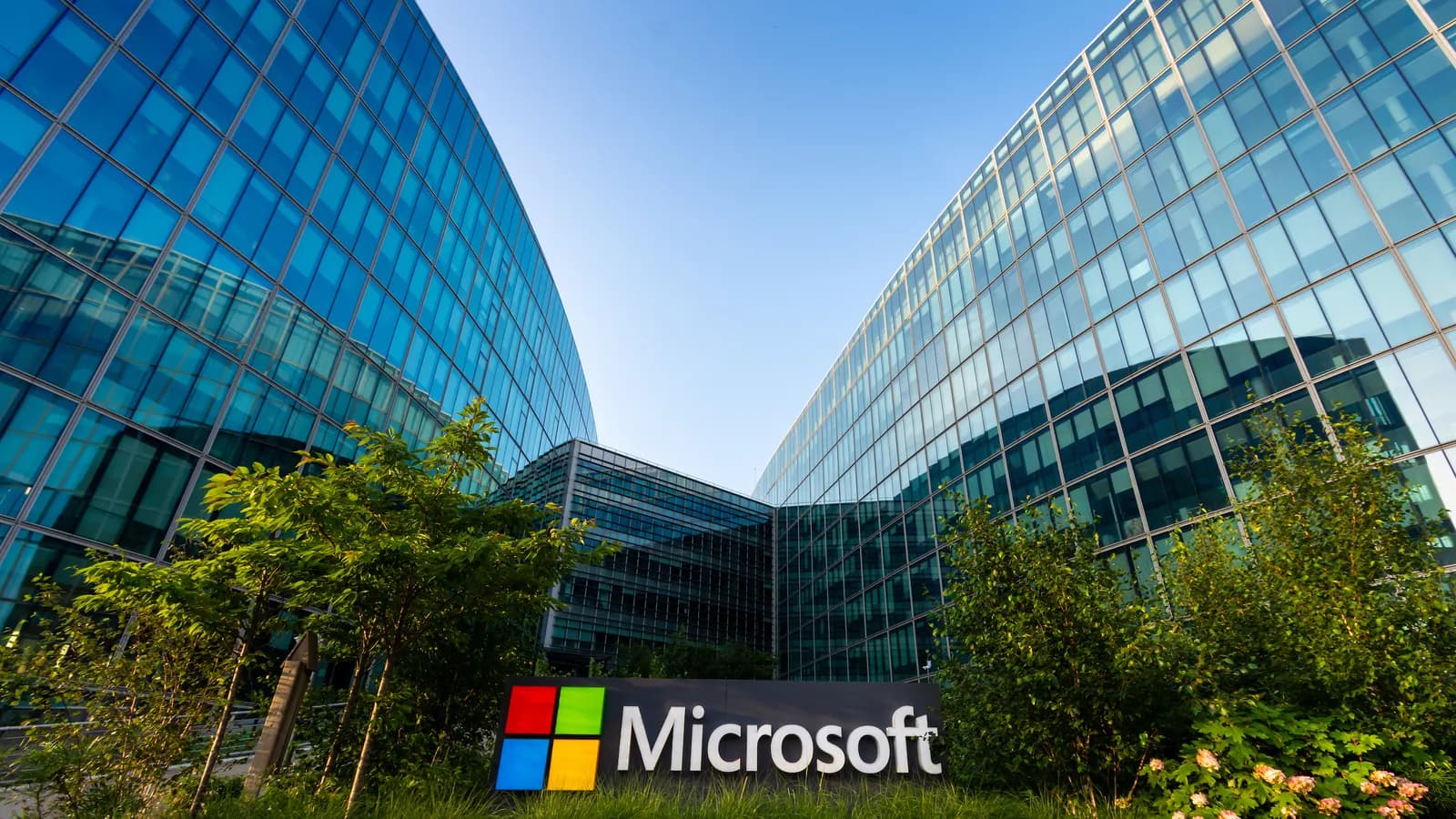
Cybercriminals used Amadey and StealC to infect thousands of computers worldwide, leading to ransomware and other digital crimes.
Key Insights
10 editorial insights.
Microsoft's disruption of the Amadey and StealC malware represents a significant blow to cybercriminal operations, affecting thousands of computers globally. This incident underscores the urgent need for robust cybersecurity measures as ransomware attacks continue to rise, emphasizing the critical role of leading tech companies in defending against digital threats.
Key players like Microsoft, which has invested heavily in cybersecurity technologies, are crucial in this ongoing battle against cybercrime. Their proactive measures, including threat intelligence sharing and advanced detection systems, not only protect users but also reinforce their market position as leaders in cybersecurity solutions.
This development is strategically important as it highlights the growing sophistication of malware and the adaptive nature of cybercriminals. The fact that major cybersecurity players like Microsoft are actively combating such threats signals a shift toward a more defensive posture in the tech industry, ultimately benefiting users and businesses alike.
The immediate business impact for companies is substantial, especially for those in sectors vulnerable to cyberattacks, such as finance and healthcare. By mitigating the risks posed by these malware strains, Microsoft helps protect the integrity of sensitive data, potentially saving companies millions in recovery costs and reputational damage.
Over the past 12-24 months, there has been a marked increase in cyberattacks, with a 50% rise in ransomware incidents reported globally. This trend reflects the evolving tactics of cybercriminals and underscores the importance of continuous investment in cybersecurity measures by companies to safeguard against such threats.
The global cybersecurity market is projected to reach $345.4 billion by 2026, growing at a CAGR of 10.9%. Microsoft's actions to counter malware like Amadey and StealC are pivotal in shaping market dynamics, as they encourage investments in cybersecurity infrastructure across various industries.
Despite these advancements, primary risks remain, including the constant evolution of malware and the ability of cybercriminals to exploit new vulnerabilities. Additionally, there are unresolved questions about the effectiveness of current security measures and the potential for collateral damage during malware disruptions.
Competitors such as Palo Alto Networks and CrowdStrike are likely to enhance their offerings in response to Microsoft's aggressive stance on malware disruption. This could lead to increased innovation in threat detection and response technologies as companies strive to differentiate themselves in an increasingly competitive market.
In the next 6-12 months, key milestones to watch include the implementation of stricter regulations on data protection and cybersecurity standards, particularly in regions like the EU and the US. Additionally, advancements in AI-driven cybersecurity solutions could emerge as critical tools in combating evolving threats.
For technology professionals and investors, the bottom-line significance of this incident lies in the imperative to prioritize cybersecurity in strategic planning and investment decisions. As cyber threats become more sophisticated, the demand for innovative security solutions will drive growth in the tech sector, making it a lucrative area for investment.
Microsoft has partnered with Europol to dismantle a significant network of infostealer malware, specifically targeting the Amadey and StealC variants. This is crucial as these malware strains have compromised thousands of computers globally, leading to an escalation in ransomware and digital crime. The collaboration highlights the increasing necessity for cross-border cybersecurity initiatives in combating sophisticated cyber threats.
The Amadey and StealC malware operate through a network of compromised computers, leveraging techniques such as keylogging and data exfiltration. Amadey, for example, is known for its ability to deploy additional payloads, including ransomware, once it gains access to a target system. The malware's infrastructure utilizes command-and-control servers to manage infected devices, facilitating real-time data theft and manipulation. This technical sophistication underscores the need for advanced threat detection systems and proactive cybersecurity measures.
In the broader cybersecurity landscape, this initiative by Microsoft and Europol reflects a growing trend toward collaboration among tech companies and law enforcement. As ransomware attacks surged by 150% in the last year alone, industry players are recognizing the importance of pooling resources and intelligence to combat persistent threats. Furthermore, competing entities such as Google and IBM are also enhancing their cybersecurity frameworks, indicating a sector-wide shift towards more integrated security solutions.
In the Indian tech ecosystem, this initiative could have far-reaching implications. With a rapidly growing digital economy, Indian businesses are increasingly becoming targets for cybercriminals. Companies in sectors like fintech and e-commerce must bolster their cybersecurity protocols to protect sensitive customer data. Additionally, cybersecurity firms in India, such as Quick Heal and Zscaler, might see increased demand for their services as awareness of these threats rises among businesses.
Key Highlights
- Microsoft and Europol launched a joint operation to tackle infostealer malware.
- Targeting Amadey and StealC, known for data theft and ransomware deployment.
- Ransomware attacks increased 150% last year, emphasizing urgent need for action.
- Businesses leveraging robust cybersecurity measures stand to gain the most.
- Expect further collaborations among tech firms and law enforcement in coming months.
Real-World Impact
This collaborative effort will impact cybersecurity roles, particularly in threat analysis and incident response teams. Companies across industries, especially in finance and e-commerce, will need to reassess their security postures to mitigate risks associated with infostealer malware. As a result, cybersecurity job positions may see increased demand, leading to a more competitive job market.
Why This Matters
The collaboration between Microsoft and Europol signifies a strategic shift towards a more unified approach in combating cybercrime. CTOs and developers should proactively enhance their security frameworks and consider partnerships with law enforcement to ensure comprehensive protection against emerging threats. This shift emphasizes the importance of real-time threat intelligence and incident response capabilities.
As this partnership unfolds, keeping an eye on future collaborative efforts between tech giants and law enforcement will be crucial. The evolving landscape of cyber threats will demand constant adaptation and innovation in cybersecurity strategies.
Found this useful? Share it!
